Common eCoC Validation Challenges
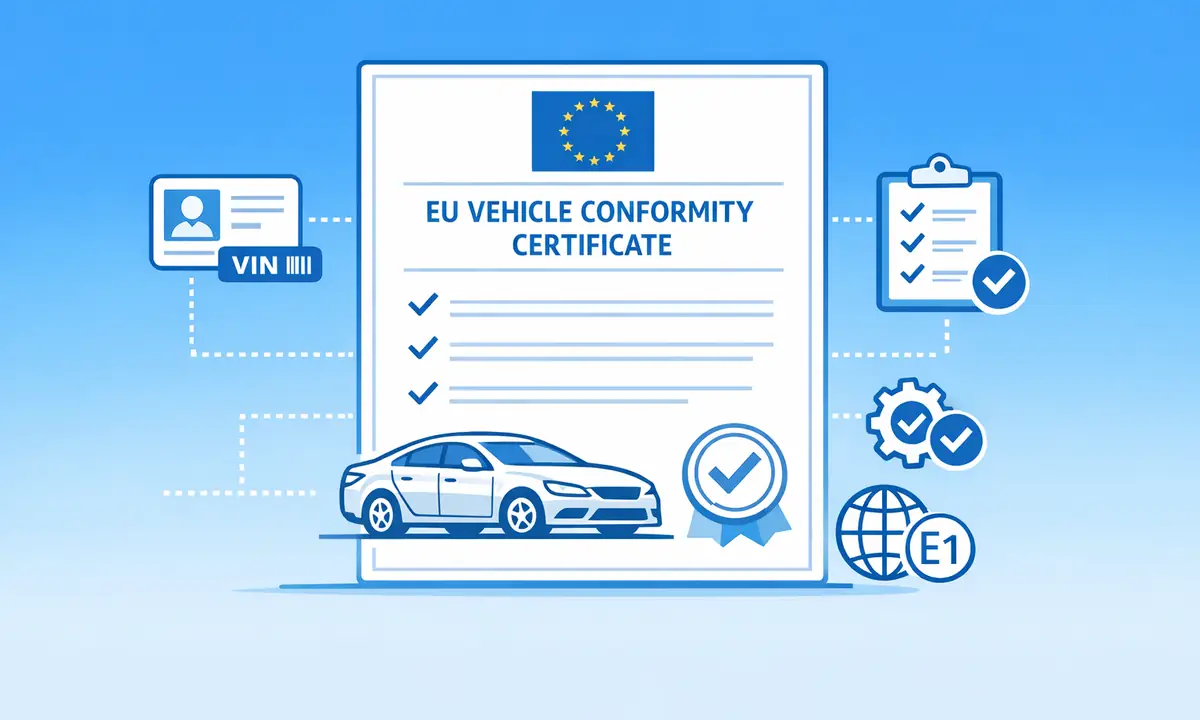
Electronic Certificates of Conformity rely on structured vehicle data that must accurately represent the approved characteristics of a vehicle. Ensuring that this data is consistent and compliant with regulatory frameworks can present several challenges for manufacturers and regulatory stakeholders.
Why Validation Matters
Vehicle conformity data must match the specifications defined in the type approval process. Any inconsistencies in this data can lead to issues during regulatory verification or vehicle registration procedures.
Because digital conformity systems rely on structured data formats, validation plays a critical role in ensuring that vehicle information remains accurate and reliable.
Complexity of Structured Vehicle Data
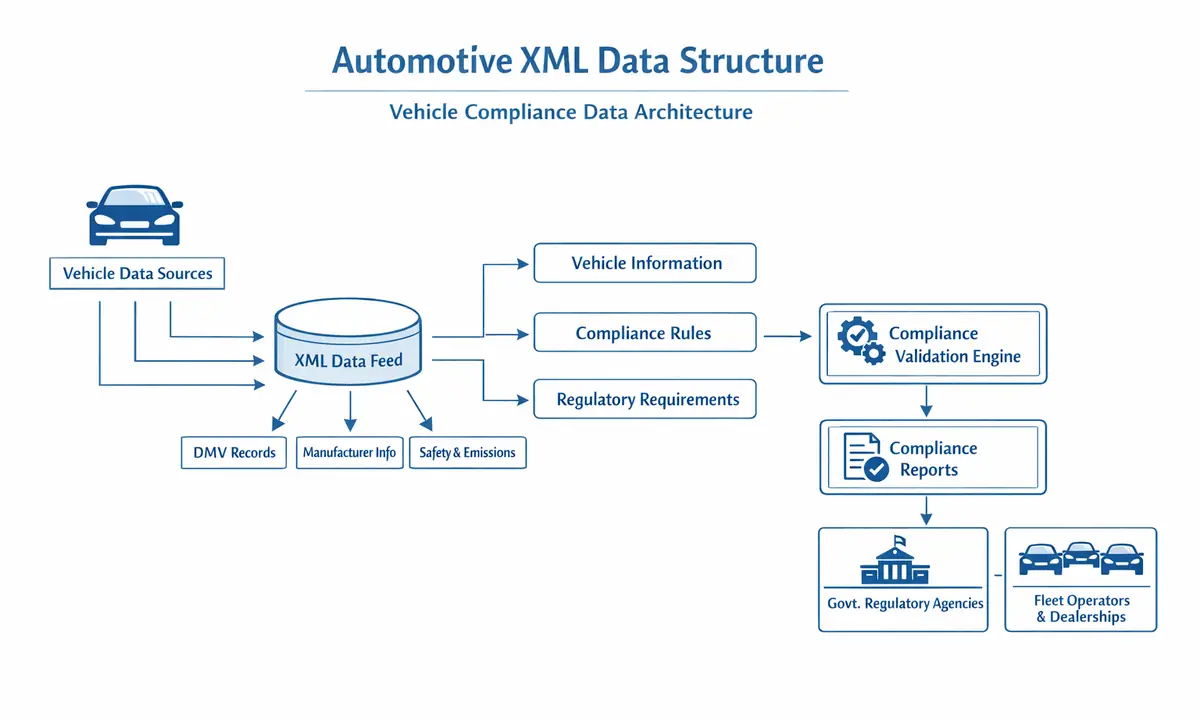
Vehicle compliance information often includes a wide range of technical data elements. These elements must be organized in structured formats that accurately reflect the characteristics of the approved vehicle type.
Managing this structured information can become complex when multiple systems, regulatory frameworks, and data sources are involved.
Consistency Across Regulatory Systems
Vehicle conformity information may be used by several regulatory systems. These systems may interpret structured vehicle data differently depending on their operational requirements.
Ensuring consistency across these systems requires careful management of the underlying data structures.
Data Interpretation Challenges
Even when data structures are standardized, interpreting vehicle conformity information correctly can be challenging. Differences in regulatory interpretation, data completeness, or data formatting can introduce complications in validation processes.
As a result, organizations involved in vehicle compliance often rely on specialized expertise and tools to manage structured conformity data effectively.
Importance of Reliable Validation Processes
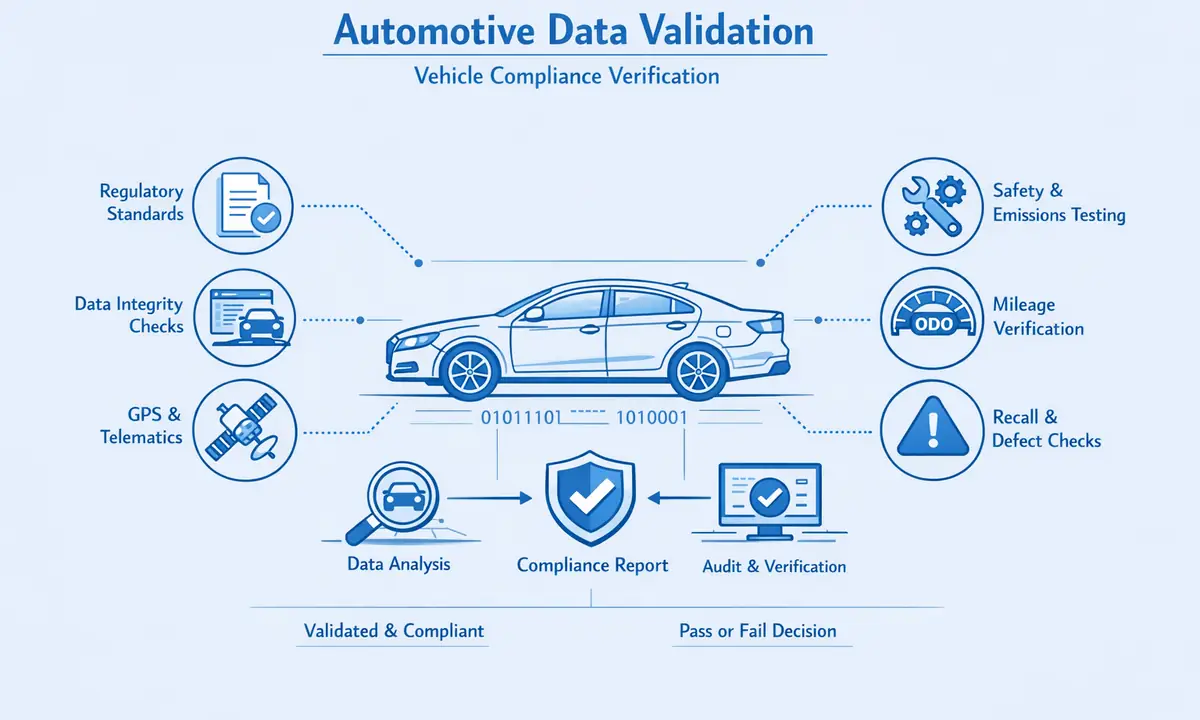
Reliable validation processes help ensure that vehicle conformity data accurately reflects the approved vehicle type. This supports regulatory oversight and helps prevent inconsistencies that could affect registration or compliance verification.
Maintaining reliable validation workflows becomes particularly important as regulatory systems continue to adopt digital data exchange models.
Frequently Asked Questions
Why can eCoC validation be complex?
Vehicle conformity data contains many interconnected technical elements that must remain consistent with regulatory approval specifications.
What happens if conformity data is inconsistent?
Inconsistent data can create complications during regulatory verification or vehicle registration procedures.
Why do organizations use specialized compliance tools?
Managing structured vehicle conformity data across multiple systems can become complex without dedicated expertise or supporting systems.
External references
No external references have been added yet.