
Why Regulatory Vehicle Data Must Be Interpreted Carefully
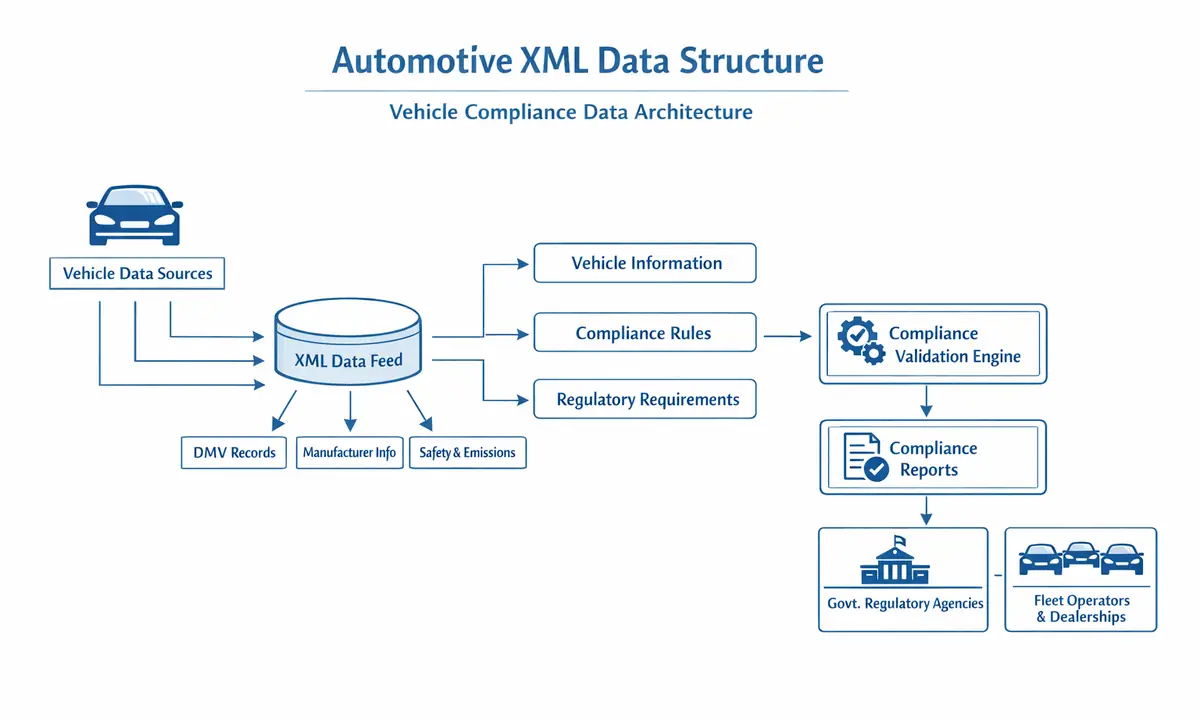
Vehicle regulatory data is used by authorities, manufacturers, and compliance systems to confirm that vehicles meet the technical requirements defined by automotive regulations. While structured data formats help standardize vehicle information, interpreting this data correctly remains an important challenge.
The Nature of Regulatory Vehicle Data
Regulatory datasets describe the technical characteristics of vehicles that have been approved under specific regulatory frameworks. These datasets may include detailed parameters related to vehicle construction, performance, and compliance documentation.
Because these parameters often interact with each other, interpreting them requires a clear understanding of their regulatory context.
Regulatory Context Matters
Many vehicle parameters only make sense when considered within the broader regulatory framework in which they were defined. Technical values may correspond to specific regulatory definitions or testing procedures.
Without understanding this context, interpreting regulatory vehicle data correctly can become difficult.
Structured Data Does Not Eliminate Complexity
Structured data formats help standardize vehicle information, but they do not remove the underlying complexity of regulatory requirements. Even when information is organized into clearly defined elements, those elements must still be interpreted within the correct regulatory framework.
This means that structured data systems require careful management and understanding.
Multiple Systems Use the Same Data
Vehicle regulatory data may be used by several different systems, including approval authorities, regulatory oversight bodies, and vehicle registration systems. Each of these systems may interpret the same information in slightly different operational contexts.
Maintaining consistency across these interpretations requires careful attention to regulatory definitions.
Challenges of Technical Interpretation
Interpreting vehicle regulatory data often requires both technical and regulatory expertise. Technical vehicle parameters must be evaluated alongside regulatory documentation and approval references.
This combination of technical and regulatory interpretation makes vehicle compliance data management particularly complex.
The Importance of Reliable Compliance Processes
Reliable compliance processes help ensure that regulatory data is interpreted consistently across different systems and organizations. These processes help maintain the integrity of vehicle conformity information.
Organizations involved in regulatory workflows often rely on structured compliance procedures and specialized expertise to manage these responsibilities.
Frequently Asked Questions
Why must regulatory vehicle data be interpreted carefully?
Because vehicle data must be evaluated within the context of the regulatory framework that defines its meaning.
Does structured data eliminate regulatory complexity?
No. Structured data helps organize information but regulatory interpretation still requires expertise.
Who interprets regulatory vehicle data?
Manufacturers, regulatory authorities, and compliance specialists may all participate in interpreting vehicle regulatory information.
External references
No external references have been added yet.