How Manufacturers Manage eCoC Data at Scale
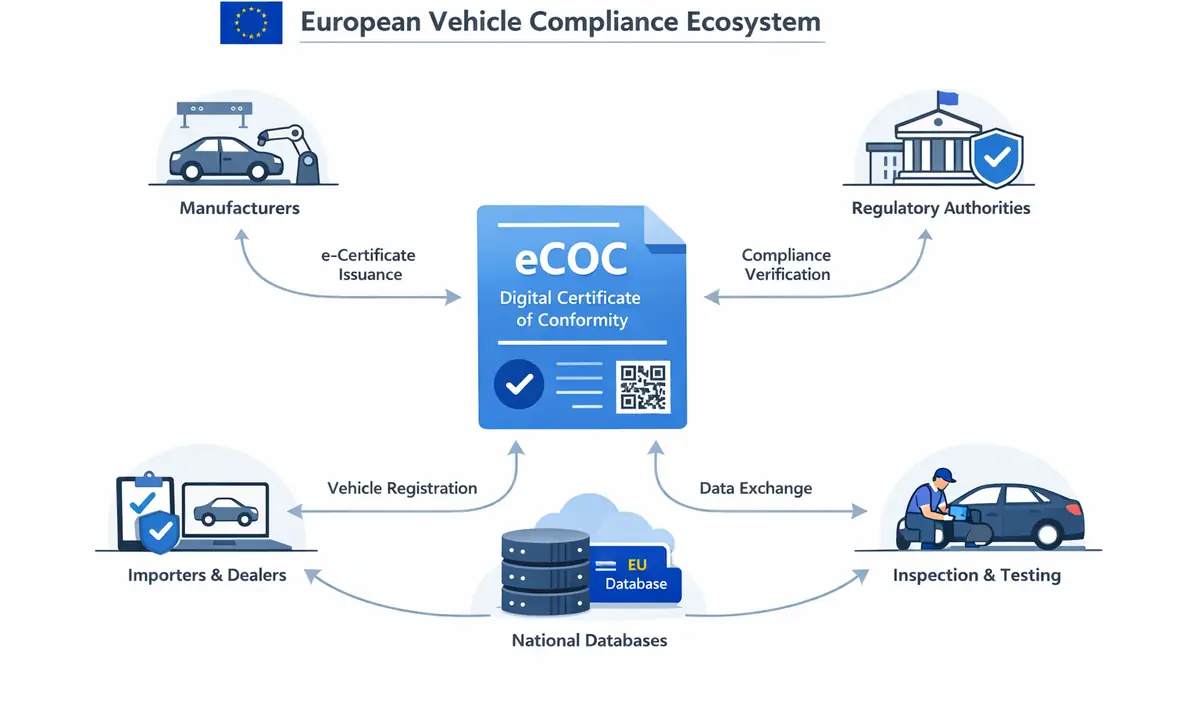
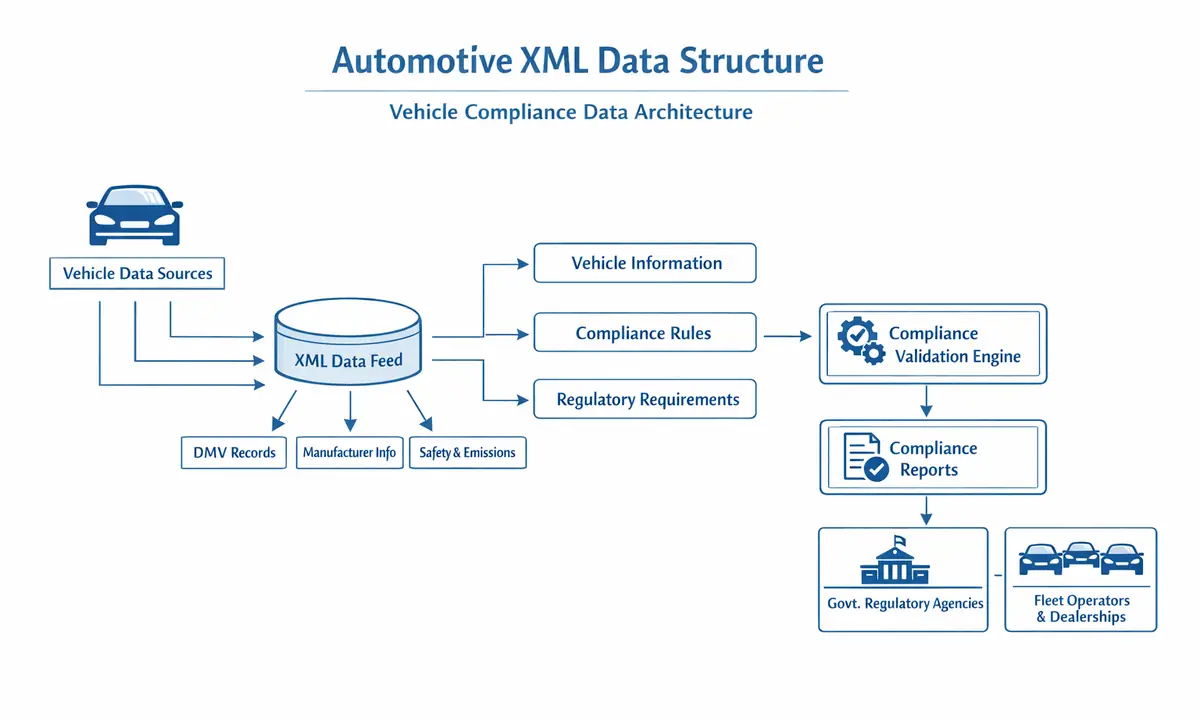
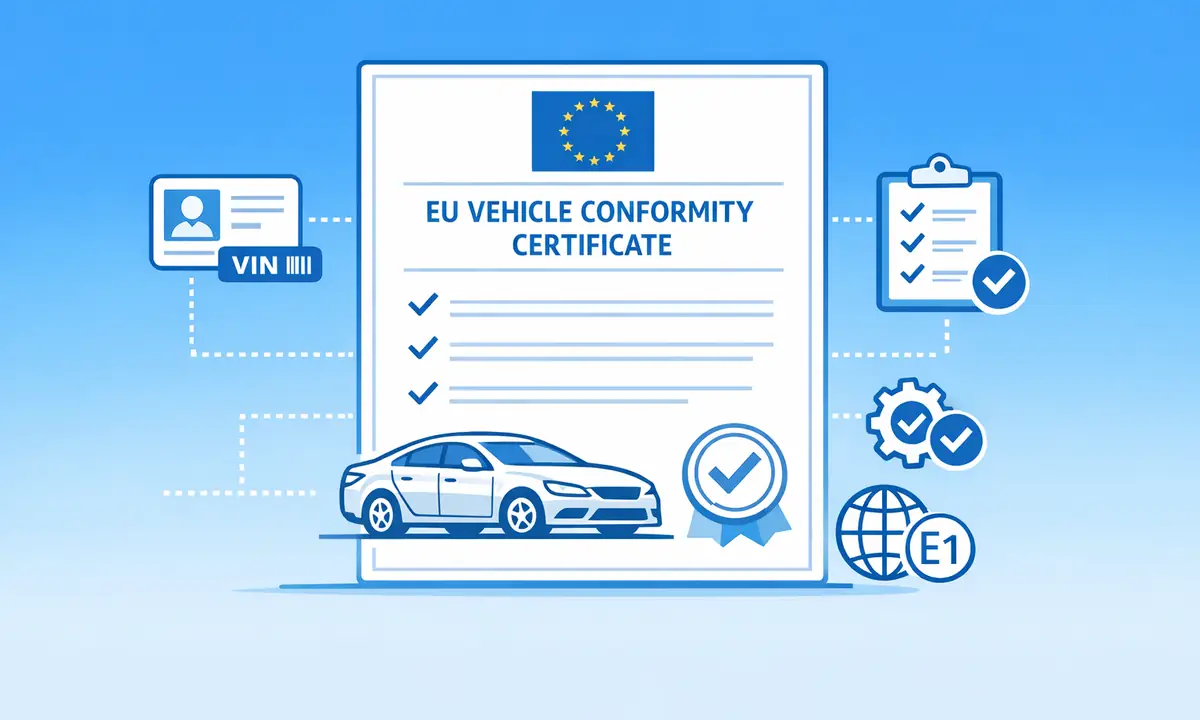
Manufacturers manage eCoC data at scale by treating conformity information as a structured operational asset rather than as isolated certificate output. That means combining governed source data, validation steps, and repeatable release workflows.
Why scale changes the problem
At low volume, teams can often work around fragmented data handling. At manufacturer scale, the same approach becomes harder to control because more programs, variants, markets, and approvals depend on the same operational logic.
What strong eCoC data management looks like
Strong eCoC operations are built on governed records, validation before output release, and clearer handoffs between technical, compliance, and operational teams.
- One structured source for approval-related data
- Clear checks before XML generation or release
- Consistent handling across programs and markets
Why data governance matters
The difficulty of eCoC management is not only technical. It is operational. Teams need confidence that the vehicle data used to support conformity workflows is still aligned with the approved basis and with downstream exchange requirements.
Frequently Asked Questions
Why is eCoC data management difficult at scale?
Because the same approval-sensitive information needs to stay accurate and consistent across more programs, markets, systems, and workflows.
External references
No external references have been added yet.