What is eCoC (Electronic Certificate of Conformity)
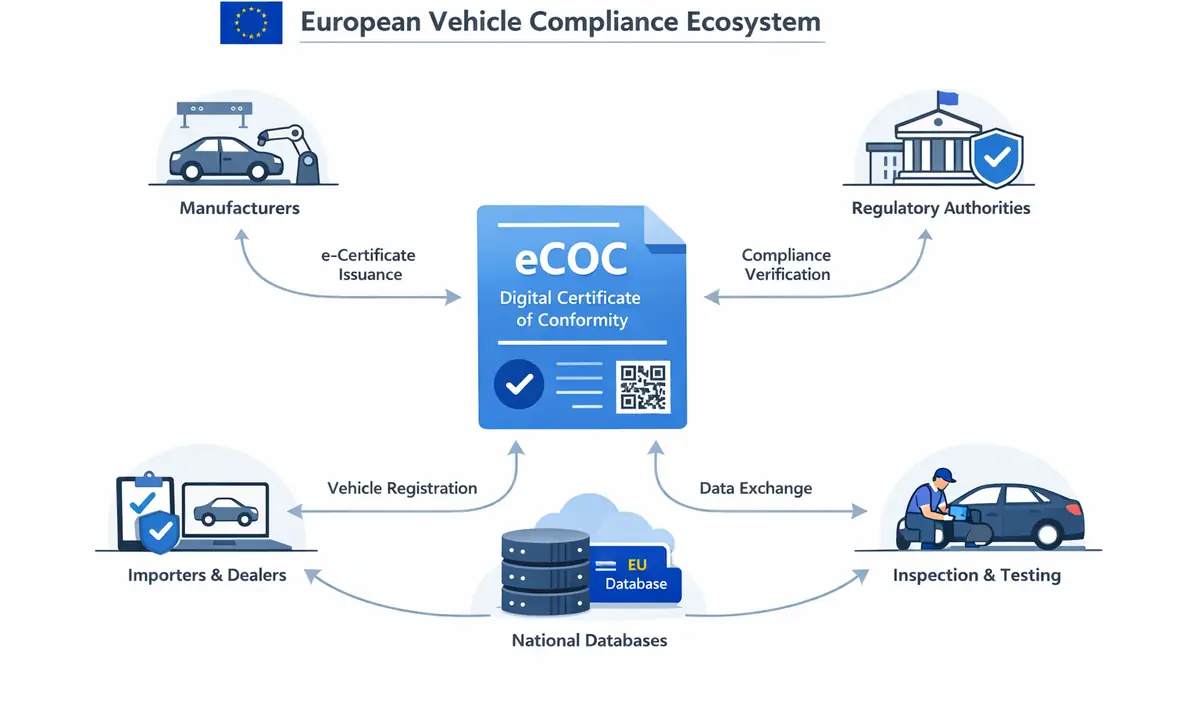
The electronic Certificate of Conformity (eCoC) is the digital form of the traditional Certificate of Conformity used in the European vehicle type approval system. It represents structured vehicle compliance data that confirms a vehicle meets the regulatory requirements necessary for registration within the European Union.
Definition of eCoC
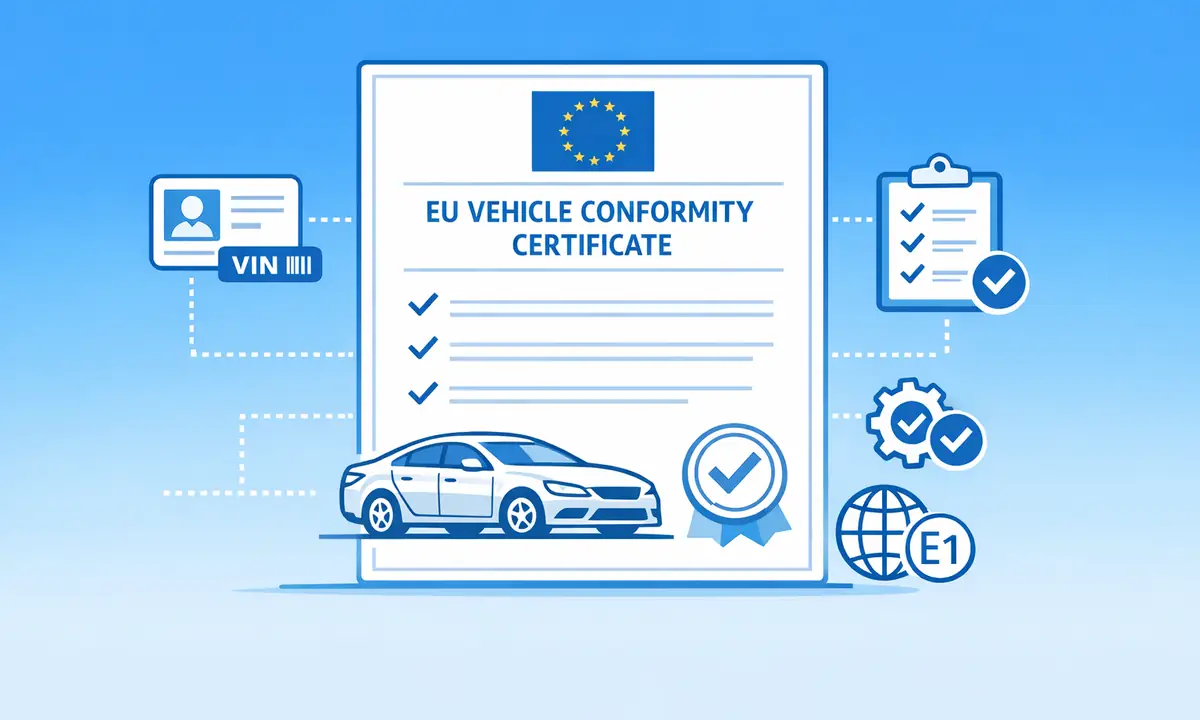
An electronic Certificate of Conformity is a digital document containing technical information about a vehicle that has been approved under the European vehicle type approval framework. The document confirms that the vehicle complies with all relevant regulatory requirements and can therefore be registered in EU member states.
Historically, manufacturers issued paper Certificates of Conformity. However, modern regulatory frameworks increasingly rely on structured digital data formats that allow authorities to process vehicle information electronically.
Why eCoC Exists
The European vehicle market involves multiple member states with independent vehicle registration authorities. For vehicles to be registered efficiently across borders, authorities must be able to verify that a vehicle complies with EU type approval rules.
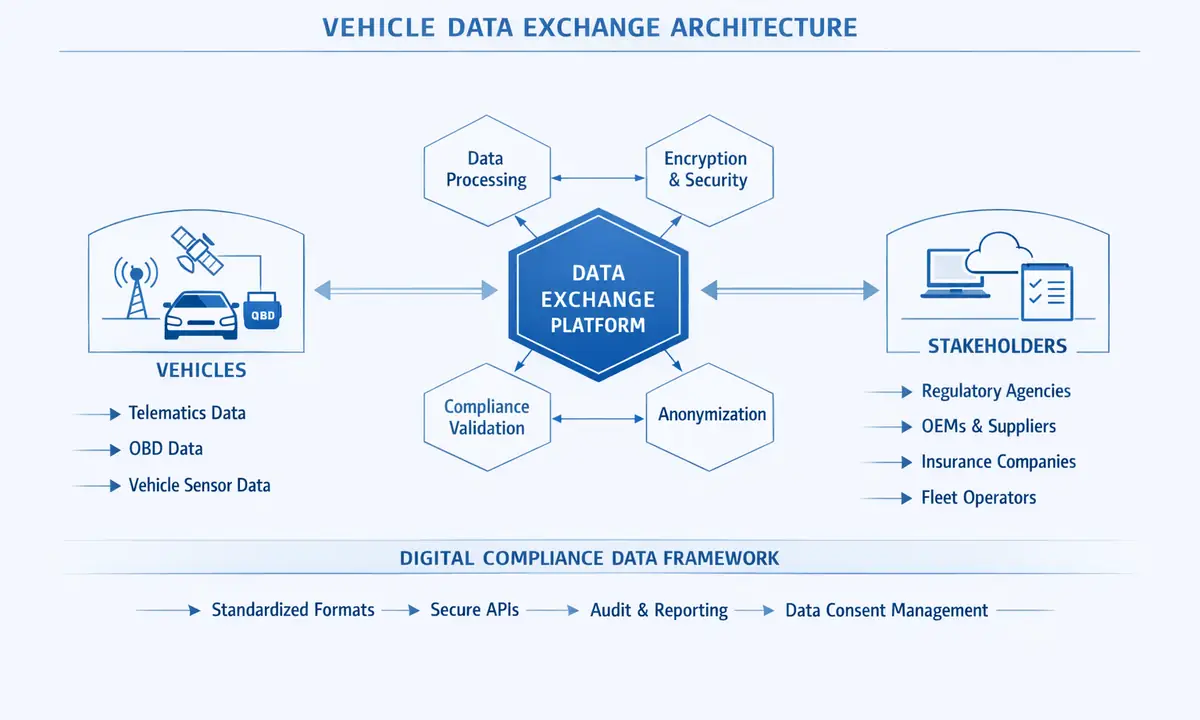
The eCoC concept enables this verification by providing standardized digital vehicle data that can be exchanged between manufacturers, approval authorities, and registration systems.
How eCoC Works
In a simplified form, the eCoC process works as follows:
- A vehicle manufacturer produces a vehicle under an approved vehicle type.
- The manufacturer prepares structured conformity data describing the vehicle.
- This data confirms the vehicle complies with the relevant EU type approval.
- The information can then be used by registration authorities to verify compliance.
By standardizing the format of this information, electronic conformity systems make vehicle registration processes more efficient and reliable.
What Data an eCoC Contains
An electronic Certificate of Conformity typically contains a wide range of technical information about the vehicle. This information allows authorities to verify that the vehicle matches the approved type.
- Vehicle identification information
- Manufacturer information
- Type approval references
- Technical vehicle characteristics
- Environmental and emissions data
- Vehicle category and classification
The exact structure of this information depends on the applicable regulatory framework and technical data definitions used in the approval process.
eCoC vs Traditional Certificate of Conformity
The traditional Certificate of Conformity was a paper document delivered with a vehicle. Registration authorities used this document to verify compliance during the registration process.
The electronic Certificate of Conformity replaces paper documentation with structured digital data. This approach offers several advantages:
- Improved data accuracy
- Faster processing of vehicle registrations
- More efficient cross-border data exchange
- Reduced administrative burden for authorities
Role of eCoC in European Vehicle Compliance
The eCoC concept is closely linked to the broader European vehicle type approval system. Once a vehicle type has been approved, each individual vehicle produced under that type must be able to demonstrate conformity with the approved specifications.
The electronic Certificate of Conformity serves as the digital confirmation of this conformity.
This confirmation is essential for vehicle registration, compliance monitoring, and regulatory oversight.
Benefits of Digital Vehicle Conformity Systems
Digital conformity systems provide multiple benefits for both manufacturers and regulatory authorities.
- Faster vehicle registration procedures
- Improved transparency in vehicle data
- Better consistency between approval and registration information
- More efficient regulatory oversight
As vehicle regulation becomes increasingly data-driven, digital conformity systems such as eCoC play an increasingly important role in the automotive regulatory ecosystem.
Frequently Asked Questions
What is the difference between CoC and eCoC?
The traditional Certificate of Conformity is a paper document, while the electronic Certificate of Conformity represents the same information in digital structured form.
Who issues an eCoC?
Vehicle manufacturers issue Certificates of Conformity for vehicles produced under an approved vehicle type.
Is eCoC mandatory?
Electronic conformity data exchange is increasingly used across European vehicle compliance systems to support digital registration processes.
What information is included in an eCoC?
An eCoC contains technical vehicle data, type approval references, manufacturer information, and other regulatory details required for vehicle registration.