What is IVI (Initial Vehicle Information)
Initial Vehicle Information, usually shortened to IVI, is the structured digital representation of vehicle characteristics used in modern compliance environments. It allows systems to work with vehicle approval and conformity information in a more consistent way than manual documentation alone.
For searchers asking what IVI is, the practical answer is simple: IVI is the data structure that helps move approved vehicle information between manufacturers, authorities, and registration-related systems.
What this page covers
- What Initial Vehicle Information means in practice
- How IVI supports digital compliance exchange
- Why IVI matters alongside eCoC and type approval data
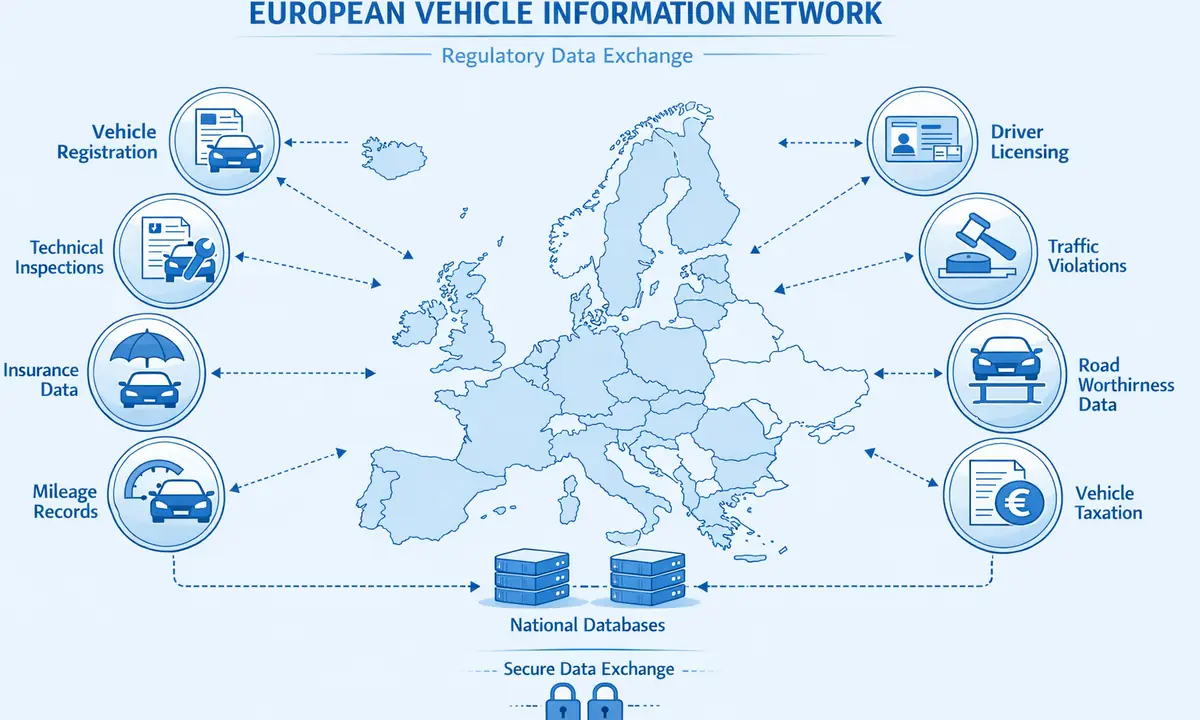
Initial Vehicle Information (IVI) is a structured digital data format used to represent vehicle conformity information within modern automotive compliance systems. It enables the exchange of standardized vehicle data between manufacturers, regulatory authorities, and registration systems across Europe.
Definition of IVI
Initial Vehicle Information refers to the structured digital dataset describing a vehicle’s technical and regulatory characteristics. This information is typically derived from vehicle type approval documentation and conformity data associated with a specific vehicle.
The purpose of IVI is to provide a standardized digital representation of vehicle conformity information that can be transmitted and processed electronically by regulatory systems.
Why IVI Exists
The European automotive regulatory environment involves multiple stakeholders including manufacturers, approval authorities, and national vehicle registration systems. These stakeholders must exchange vehicle information in order to verify regulatory compliance.
Traditional documentation formats were not designed for automated digital exchange. As a result, structured vehicle data formats such as IVI were introduced to enable efficient information transfer.
How IVI Works
The IVI concept is based on the idea that vehicle compliance information can be expressed as structured digital data. Instead of relying on manual documentation review, authorities can process machine-readable vehicle data.
Within this model, IVI represents the technical and regulatory characteristics of a vehicle in a standardized structure that can be shared between systems.
Key Elements of IVI Data
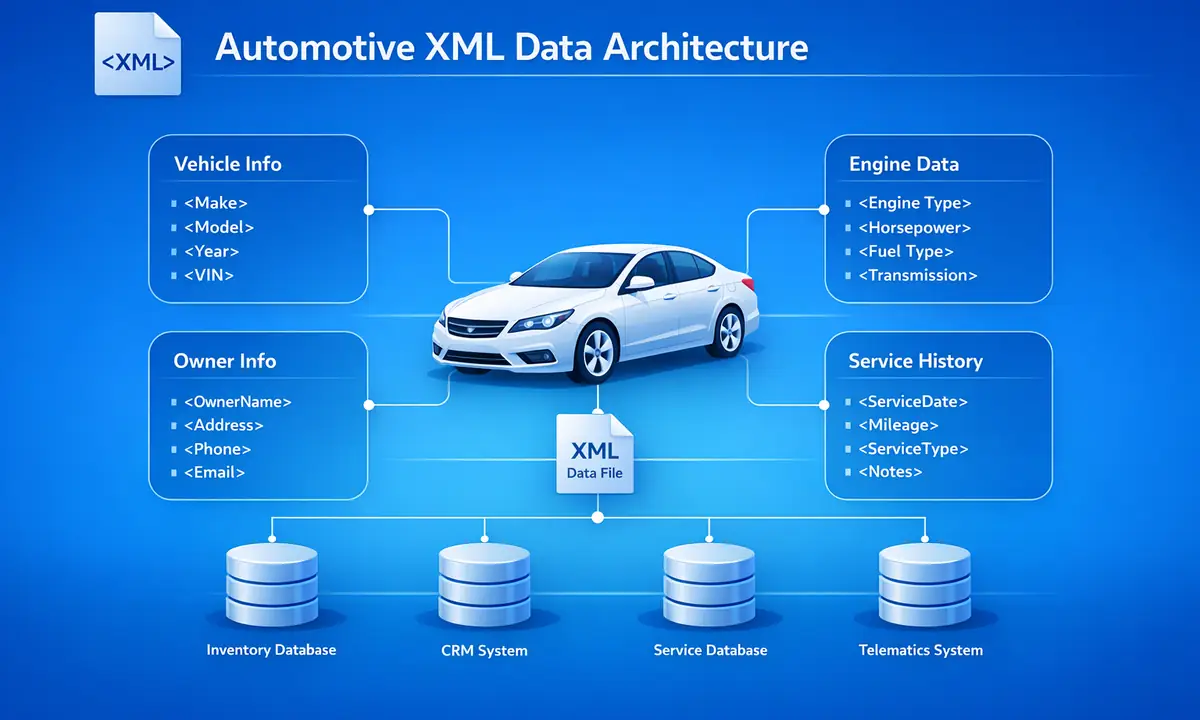
Although the exact structure may vary depending on regulatory frameworks, IVI data typically includes several categories of information describing a vehicle.
- Vehicle identification data
- Manufacturer information
- Vehicle category and classification
- Technical specifications
- Type approval references
- Environmental or emissions data
These elements allow authorities to verify that a vehicle matches the approved type and satisfies regulatory requirements.
IVI and Vehicle Compliance Systems
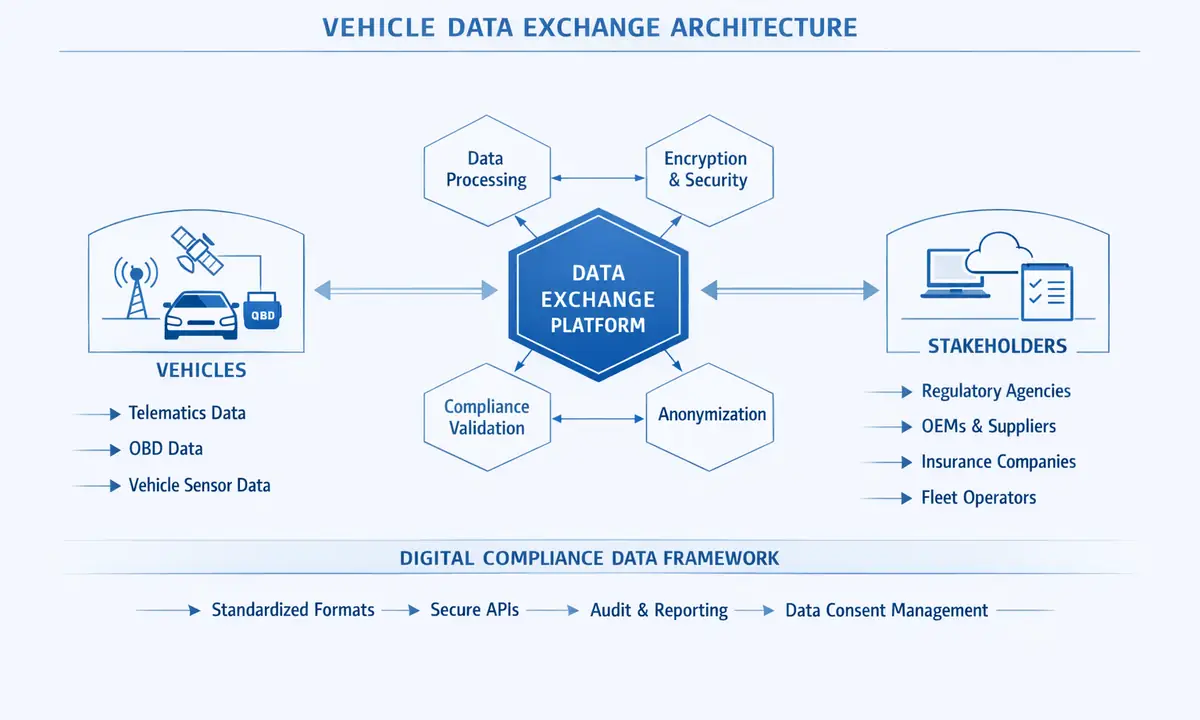
IVI data supports the broader vehicle compliance ecosystem by enabling authorities to work with consistent vehicle information. This improves the reliability of registration processes and regulatory checks.
Because the data is structured, it can be transmitted electronically and processed automatically by information systems.
The Role of IVI in Digital Vehicle Regulation
As regulatory frameworks increasingly adopt digital data exchange, standardized information formats become essential. IVI serves as one of the foundational components enabling digital conformity processes.
By ensuring that vehicle data is structured and consistent, IVI helps regulatory authorities maintain oversight while reducing administrative complexity.
IVI vs eCoC
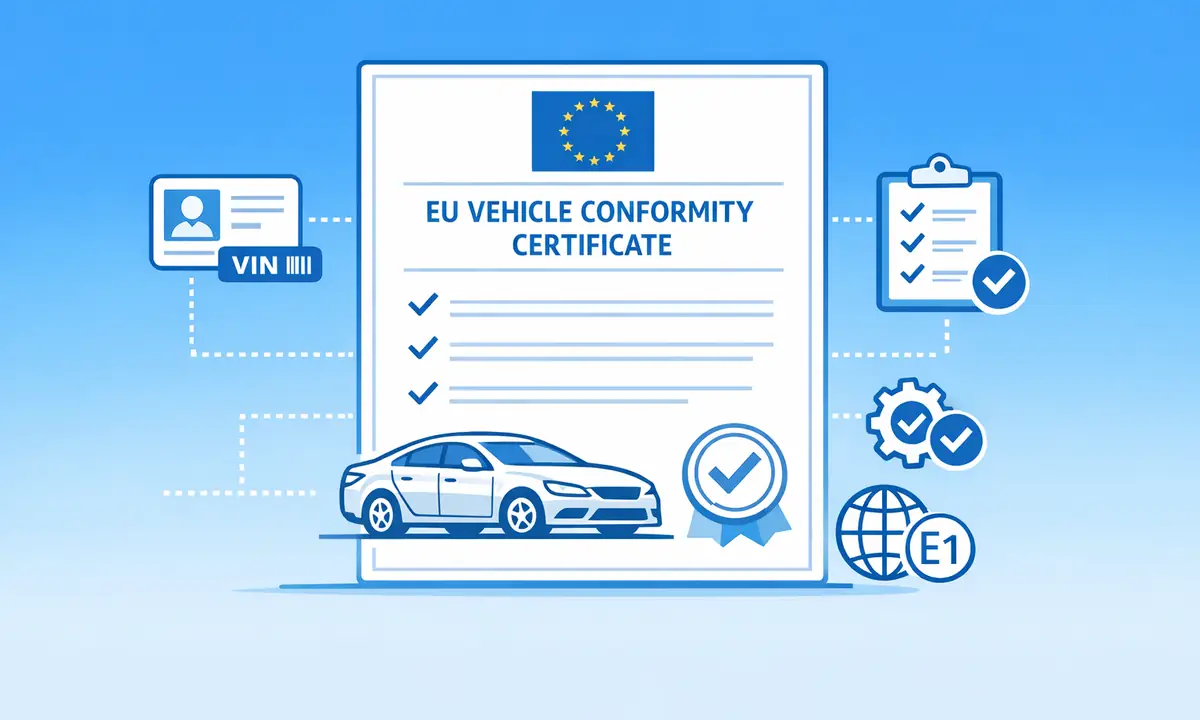
IVI and eCoC are related but not identical. IVI focuses on structured vehicle information, while eCoC focuses on the conformity confirmation of a produced vehicle within the approval framework.
In modern workflows they often work together: IVI helps represent vehicle data consistently, and eCoC uses structured conformity information to support downstream registration and verification.
Why IVI matters beyond data formatting
IVI matters because structured vehicle information is reused across more than one workflow. It helps systems interpret technical vehicle characteristics consistently, which is why IVI appears repeatedly in conversations about digital approval, conformity, and authority-side processing.
That makes IVI more than a formatting topic. It is part of the data model that allows digital compliance systems to process vehicle information with less ambiguity than document-only handling.
Frequently Asked Questions
What does IVI stand for?
IVI stands for Initial Vehicle Information, which represents structured digital vehicle compliance data.
Who uses IVI?
IVI data may be used by vehicle manufacturers, regulatory authorities, and registration systems to exchange vehicle conformity information.
What kind of data does IVI contain?
IVI typically includes vehicle identification details, manufacturer information, technical specifications, and regulatory references associated with vehicle approval.
What an IVI record needs to preserve
An IVI message is useful only when its values retain the meaning they had in the approved vehicle context. That requires more than transferring labels from a document into XML. The manufacturer needs a controlled relationship between the source record, the relevant vehicle type, variant and version, the code or unit required by the message, and the individual vehicle to which the information applies.
Before release, teams should check identifiers first, then category-dependent fields and the relationships between technical values. They should also record the schema and business-rule versions used for validation. If a value is corrected, the governed source or mapping should be corrected before the message is generated again; editing only the final file leaves the same defect available for the next vehicle.
What IVI does not prove by itself
A message that passes a local schema check is not automatically accepted by a National Access Point or another receiving authority. Local validation proves only the rules that were actually run. Authority-side identity checks, business conditions, credentials, message version, and national implementation can still affect the outcome. Manufacturers should therefore keep local readiness separate from the external acceptance result.
Official and technical references
These sources support the regulatory and technical statements in this guide. Always check the current consolidated text and the instructions of the authority responsible for your submission route.