What is IVI (Initial Vehicle Information)
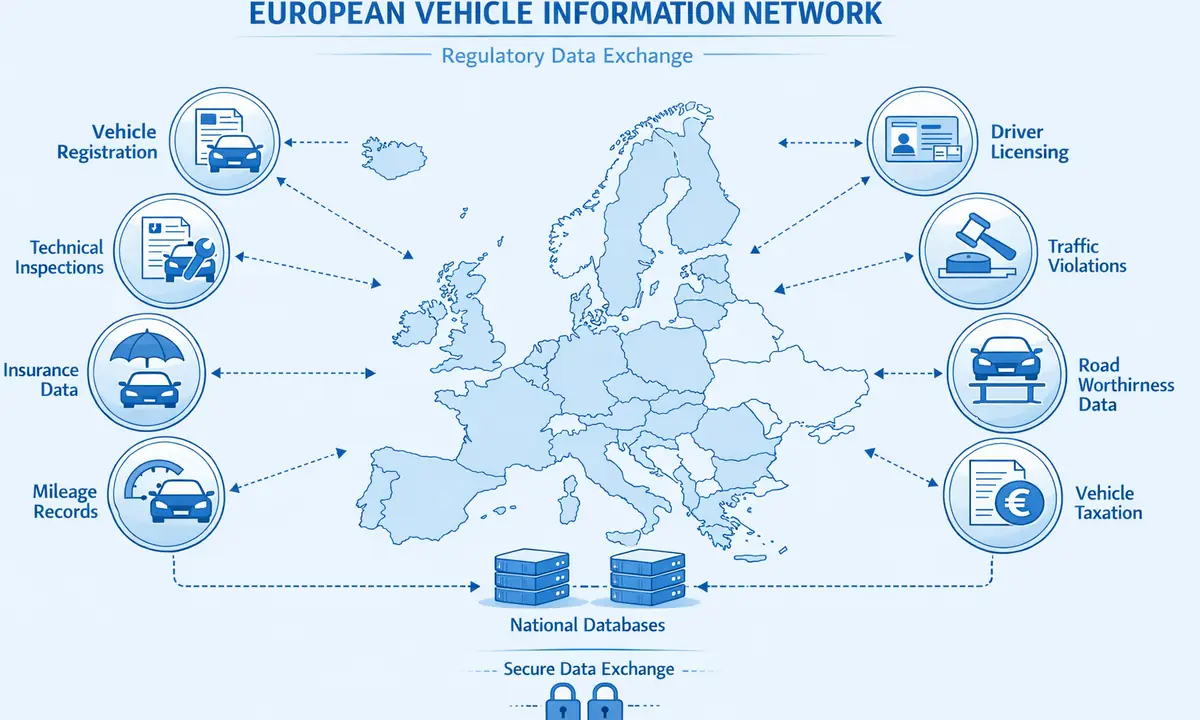
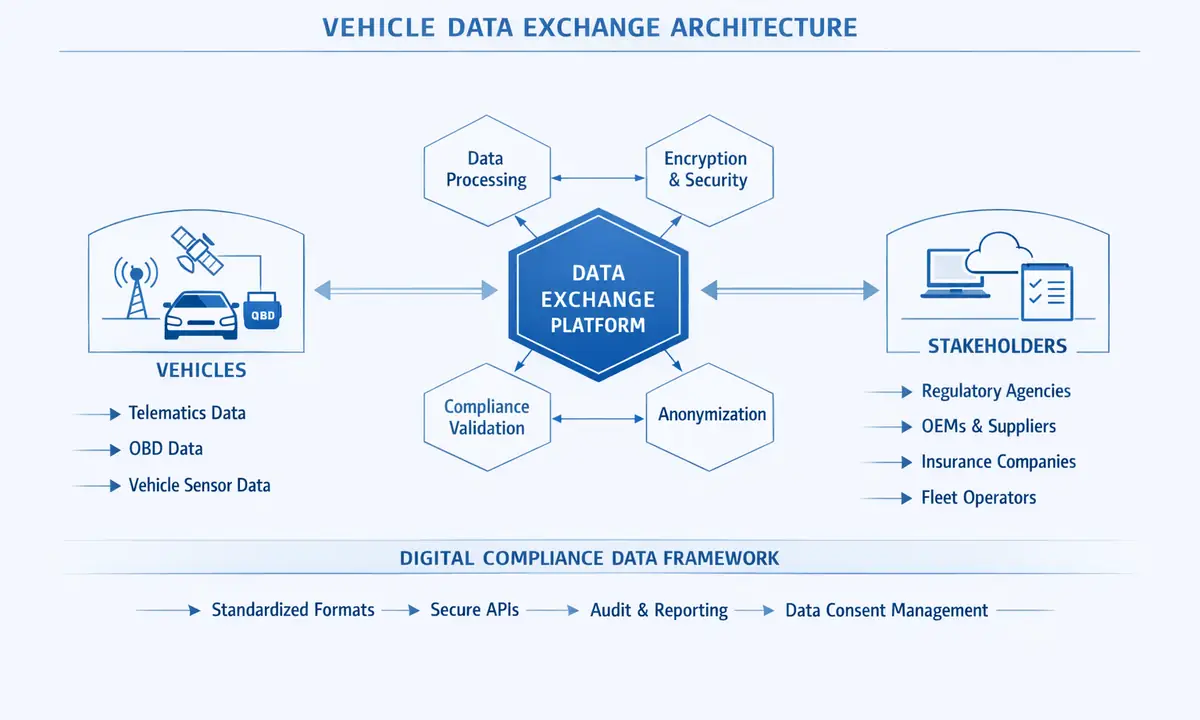
Initial Vehicle Information (IVI) is a structured digital data format used to represent vehicle conformity information within modern automotive compliance systems. It enables the exchange of standardized vehicle data between manufacturers, regulatory authorities, and registration systems across Europe.
Definition of IVI
Initial Vehicle Information refers to the structured digital dataset describing a vehicle’s technical and regulatory characteristics. This information is typically derived from vehicle type approval documentation and conformity data associated with a specific vehicle.
The purpose of IVI is to provide a standardized digital representation of vehicle conformity information that can be transmitted and processed electronically by regulatory systems.
Why IVI Exists
The European automotive regulatory environment involves multiple stakeholders including manufacturers, approval authorities, and national vehicle registration systems. These stakeholders must exchange vehicle information in order to verify regulatory compliance.
Traditional documentation formats were not designed for automated digital exchange. As a result, structured vehicle data formats such as IVI were introduced to enable efficient information transfer.
How IVI Works
The IVI concept is based on the idea that vehicle compliance information can be expressed as structured digital data. Instead of relying on manual documentation review, authorities can process machine-readable vehicle data.
Within this model, IVI represents the technical and regulatory characteristics of a vehicle in a standardized structure that can be shared between systems.
Key Elements of IVI Data
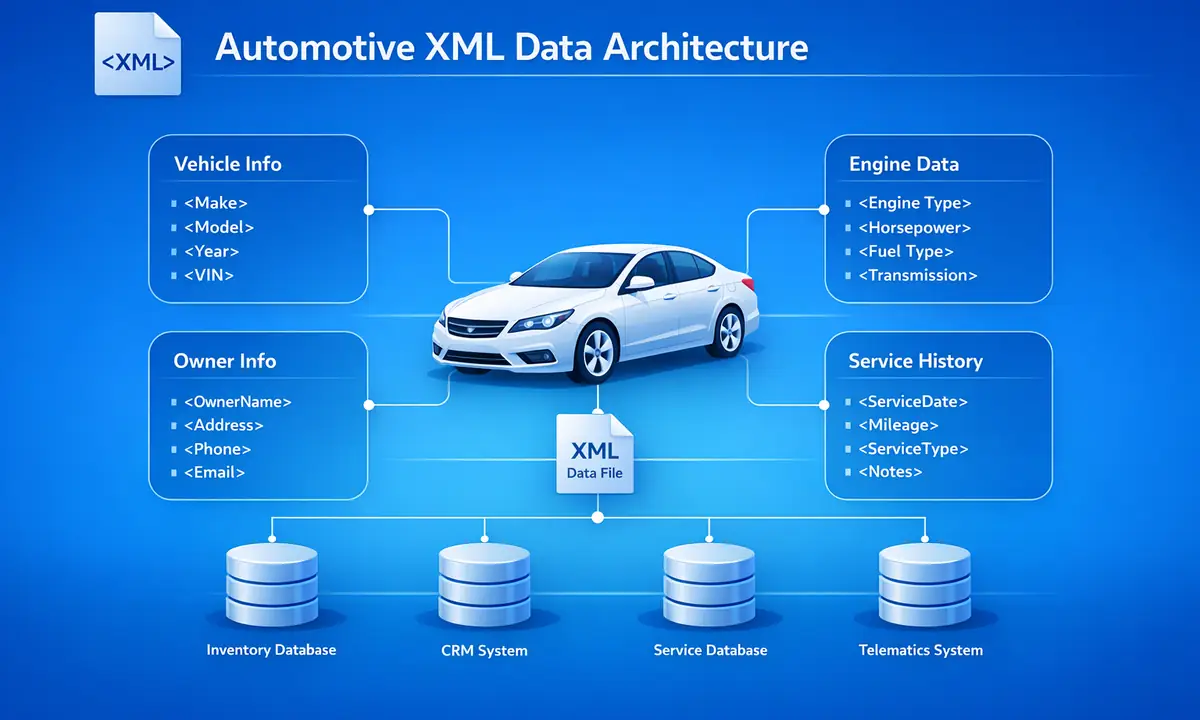
Although the exact structure may vary depending on regulatory frameworks, IVI data typically includes several categories of information describing a vehicle.
- Vehicle identification data
- Manufacturer information
- Vehicle category and classification
- Technical specifications
- Type approval references
- Environmental or emissions data
These elements allow authorities to verify that a vehicle matches the approved type and satisfies regulatory requirements.
IVI and Vehicle Compliance Systems
IVI data supports the broader vehicle compliance ecosystem by enabling authorities to work with consistent vehicle information. This improves the reliability of registration processes and regulatory checks.
Because the data is structured, it can be transmitted electronically and processed automatically by information systems.
The Role of IVI in Digital Vehicle Regulation
As regulatory frameworks increasingly adopt digital data exchange, standardized information formats become essential. IVI serves as one of the foundational components enabling digital conformity processes.
By ensuring that vehicle data is structured and consistent, IVI helps regulatory authorities maintain oversight while reducing administrative complexity.
Frequently Asked Questions
What does IVI stand for?
IVI stands for Initial Vehicle Information, which represents structured digital vehicle compliance data.
Who uses IVI?
IVI data may be used by vehicle manufacturers, regulatory authorities, and registration systems to exchange vehicle conformity information.
What kind of data does IVI contain?
IVI typically includes vehicle identification details, manufacturer information, technical specifications, and regulatory references associated with vehicle approval.
External references
No external references have been added yet.