
Common IVI Data Consistency Challenges
Initial Vehicle Information (IVI) is designed to represent vehicle conformity data in a structured digital format. While this structured approach improves the reliability of regulatory information exchange, maintaining consistency within complex vehicle datasets can present practical challenges.
Understanding IVI Data Structures
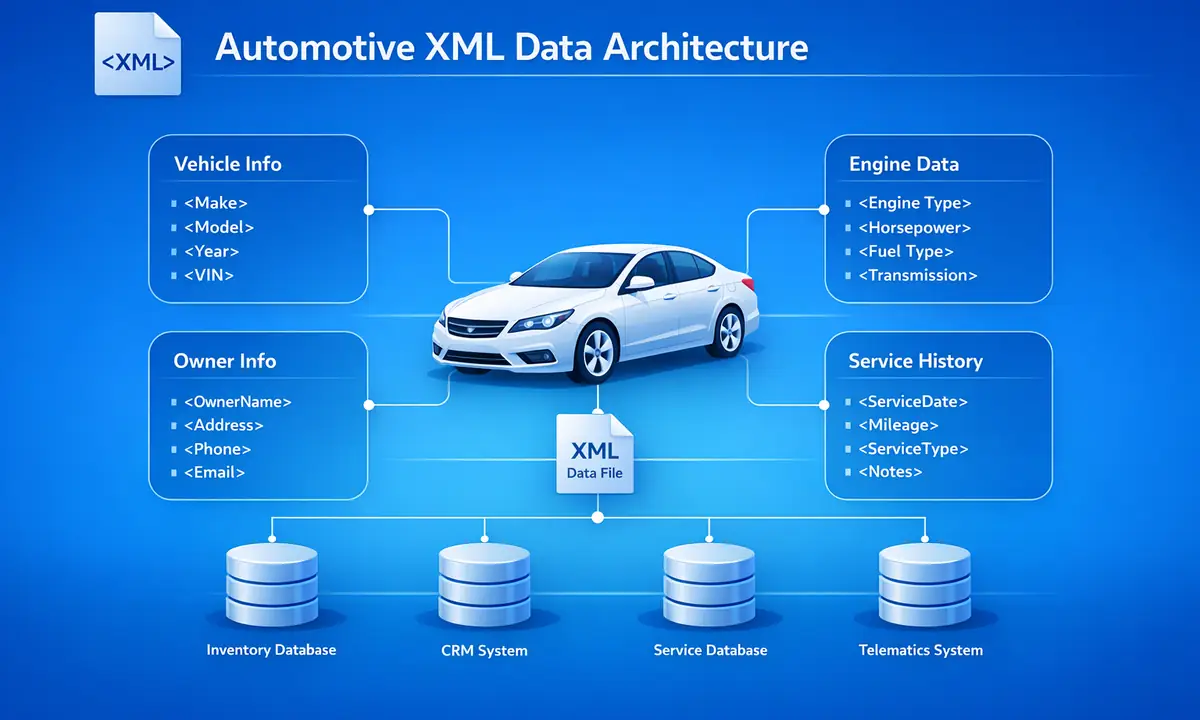
IVI datasets typically contain detailed information describing a vehicle’s regulatory and technical characteristics. These datasets may include vehicle identification data, manufacturer information, type approval references, and technical specifications.
Because these elements must correspond to the approved vehicle configuration, ensuring consistency across all fields is an essential part of managing conformity information.
Interconnected Data Elements
Vehicle conformity data often contains relationships between multiple data elements. For example, certain technical specifications may depend on vehicle category definitions, while regulatory references may depend on approval documentation.
When these interconnected data elements are represented in structured formats, even small inconsistencies can lead to validation complications.
Multiple Data Sources
Vehicle conformity information may originate from several sources, including engineering documentation, approval certificates, and production data. Integrating these sources into a single structured dataset requires careful coordination.
Differences between documentation sources can sometimes introduce inconsistencies that must be resolved before the data can be used reliably.
Consistency Across Regulatory Systems
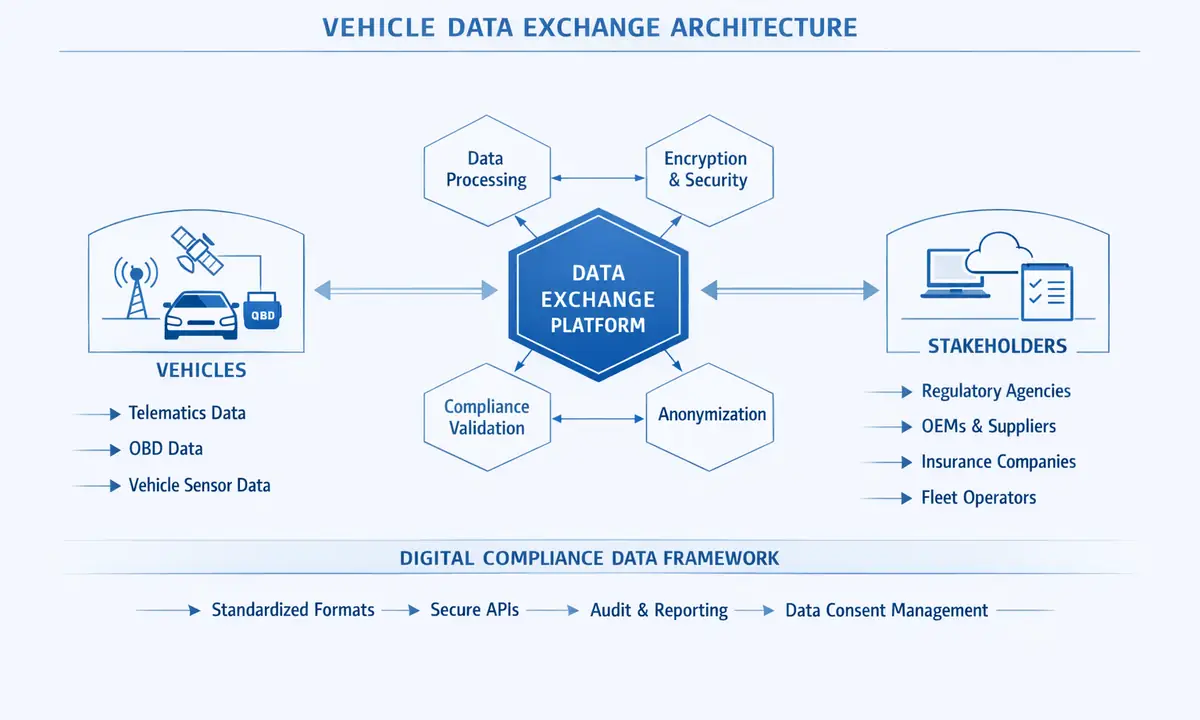
Structured vehicle data may be used by multiple regulatory systems involved in vehicle approval, compliance verification, and registration processes. These systems may rely on the same underlying data but apply different validation requirements.
Maintaining consistency across these systems requires careful management of structured vehicle information.
Data Interpretation Challenges
Even when vehicle data follows standardized formats, interpreting that data correctly within different regulatory contexts can be complex. Regulatory frameworks may require specific interpretations of technical parameters, which can affect how data is represented.
Ensuring that these interpretations remain consistent across systems often requires specialized knowledge of regulatory data structures.
Importance of Structured Data Governance
Managing structured vehicle information requires clear governance processes that ensure data accuracy, consistency, and traceability. These processes help organizations maintain reliable vehicle conformity datasets.
Organizations responsible for regulatory data management often rely on dedicated compliance workflows and specialized expertise to ensure that structured data remains consistent.
Frequently Asked Questions
Why is IVI data consistency important?
Consistent vehicle conformity data ensures that regulatory systems interpret vehicle characteristics accurately during compliance verification and registration processes.
What causes inconsistencies in structured vehicle data?
Inconsistencies may arise when multiple data sources are combined or when regulatory interpretations differ between systems.
How can organizations manage complex conformity datasets?
Organizations often rely on structured workflows, validation procedures, and specialized expertise to manage complex vehicle conformity data effectively.
External references
No external references have been added yet.