Qualified Electronic Seal for eCoC Signing
A qualified electronic seal gives a vehicle manufacturer a verified way to protect the origin and integrity of electronic Certificate of Conformity outputs. For eCoC teams, this matters because the final XML file is not only a data export. It is a controlled conformity output that must remain trustworthy when it moves between manufacturer systems, authority workflows, and registration-related processes.
That is why eCoC EU offers a 5-year eQSeal package for secure eCoC signing. The goal is simple: help manufacturers obtain an eIDAS trusted company seal that is suitable for signing eCoC XML outputs and supporting a more reliable digital delivery process.
What this page covers
- What a qualified electronic seal means in eIDAS terms
- Why eCoC XML signing needs verified company trust
- How a 5-year eQSeal package supports manufacturer readiness
- What buyers should check before purchasing an eQSeal for eCoC
What is a qualified electronic seal?
An electronic seal is used by a legal entity, such as a company, to attach trust information to electronic data. In the eIDAS framework, a qualified electronic seal carries a stronger trust position because it is linked to qualified trust service infrastructure and is designed to support the presumption of data integrity and the correctness of the origin of the sealed data.
That distinction is important for manufacturers. A personal electronic signature identifies a natural person. A company seal identifies the organization behind the data. Since an electronic Certificate of Conformity is issued as part of a manufacturer-side compliance process, the organization-level trust model is usually the right commercial and operational fit.
Why eCoC signing needs more than a generated XML file
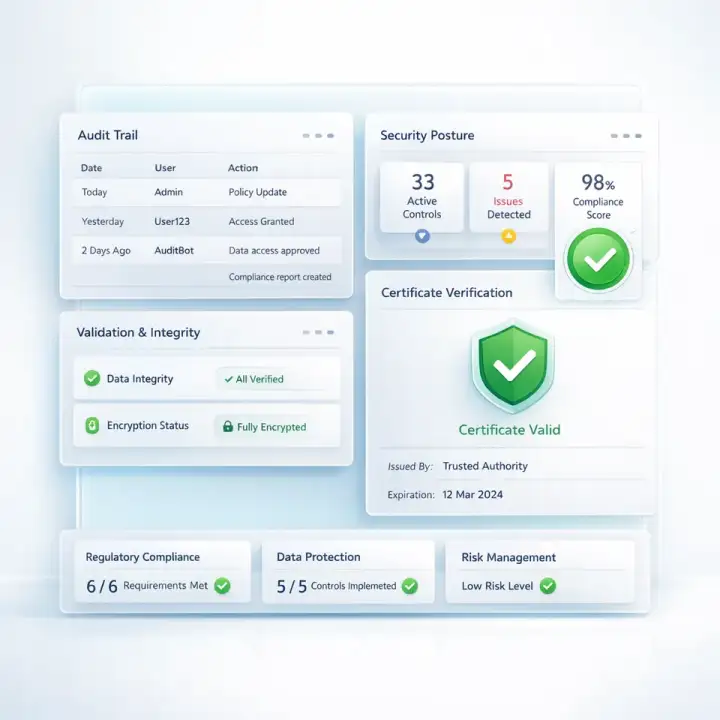
Creating an eCoC XML file is only one part of the digital workflow. The file also needs to remain verifiable after it is created. A receiver should be able to check that the output came from the expected organization and that the data has not been changed after signing.
This is where eQSeal becomes commercially important. The seal is not just a technical add-on. It is the trust layer that helps connect the manufacturer identity, the XML output, and the release workflow into a single verifiable package.
What eIDAS trusted means for an eQSeal
For this use case, eIDAS trusted should not mean a self-made certificate or a generic internal signing key. It should mean that the seal is issued through qualified trust service infrastructure and can be validated in the wider European trust framework. Buyers should look for a seal path that is connected to qualified trust services and the EU Trusted List model.
That is the practical difference between a normal certificate and an eQSeal package designed for eCoC signing. The buyer is not only purchasing a key. The buyer is purchasing a verifiable trust basis for company-level digital signing.
Why a 5-year eQSeal package is useful
Manufacturers do not want to rebuild signing operations every few months. A 5-year eQSeal package gives teams a longer operating window for eCoC signing, certificate planning, renewal management, and internal rollout. It helps compliance and IT teams treat signing as part of the operating model rather than as a last-minute setup task.
For buyers, the commercial value is predictability. A 5-year validity window supports planning around production volume, market rollout, internal user ownership, and future integration with technical documentation and platform workflows.
How eQSeal supports eCoC XML signing
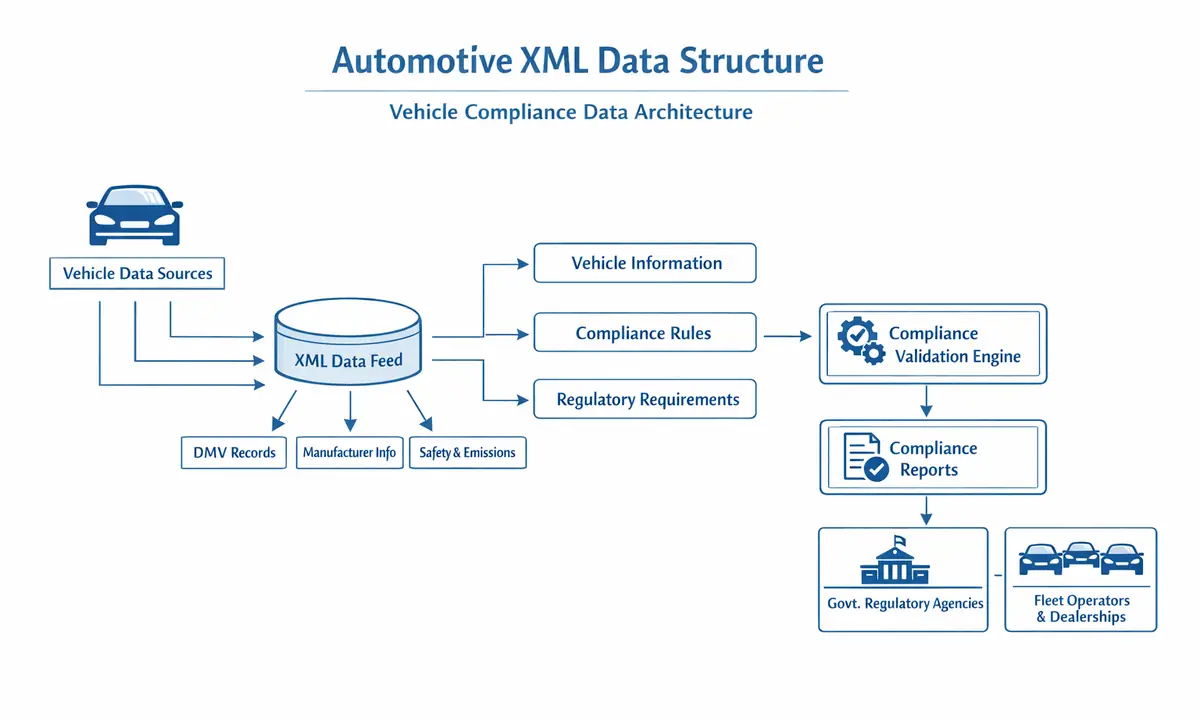
A strong eCoC signing setup needs three things to work together: the structured XML output, the company trust identity, and the signing workflow. The XML layer is explained in how eCoC XML works. The eQSeal adds the trust layer that helps make that XML output verifiable.
In practice, a manufacturer should be able to answer these questions before relying on a signing setup:
- Which legal entity owns the seal?
- Is the seal suitable for company-level eCoC signing?
- Can the certificate chain be validated through trusted infrastructure?
- Who controls renewal, access, and operational use?
- How will signed files be checked before delivery?
Who should buy eQSeal for eCoC?
The strongest fit is a manufacturer, importer, representative, or compliance team that needs to sign structured eCoC outputs in a controlled way. The buyer is usually not looking for a generic digital certificate. They are looking for a verified company seal that can support eCoC signing and reduce uncertainty around authority-facing digital delivery.
The need becomes urgent when the team is moving from paper or document-only handling to structured digital delivery. At that point, signing becomes part of the same operational chain as data preparation, validation, XML generation, and release control.
What eCoC EU provides
eCoC EU helps buyers scope and purchase an eQSeal package around the actual eCoC signing use case. The offer is built for teams that want a 5-year, eIDAS trusted, company-level seal suitable for verified eCoC signing rather than a generic certificate with unclear operational fit.
The service can support:
- eQSeal scope review for eCoC signing
- 5-year validity planning
- Qualified trust service path alignment
- Certificate ownership and legal entity checks
- Signing workflow fit for eCoC XML output
- Connection to broader compliance and security controls
Buying checklist for a verified eQSeal
Before purchasing, a manufacturer should confirm that the seal is not only technically available but operationally suitable for eCoC work. The buying decision should cover both trust status and workflow readiness.
- The seal is issued for the correct legal entity.
- The certificate path can be validated through trusted infrastructure.
- The validity period matches the operating plan, such as a 5-year package.
- The signing method fits eCoC XML and release workflow requirements.
- The team knows how renewal and access control will be managed.
Request a 5-year eQSeal offer
If your team needs to sign eCoC outputs with a verified company seal, the next step is to request a scoped offer. eCoC EU can review the vehicle category, production volume, signing requirements, and legal entity details before preparing the right eQSeal package.
Request a 5-year eQSeal offer for eCoC signing and tell us whether you need only the seal package or a broader signing workflow review.
Frequently Asked Questions
Is eQSeal the same as a personal electronic signature?
No. A qualified electronic seal is used for a legal entity, such as a company. That makes it a strong fit for manufacturer-side eCoC signing where the output needs to be connected to the organization.
Why should an eCoC manufacturer use an eIDAS trusted seal?
Because eCoC delivery depends on trust in the source and integrity of the data. An eIDAS trusted seal path helps support validation of the company identity behind the signed output.
Can eCoC EU provide a 5-year eQSeal package?
Yes. eCoC EU can scope a 5-year eQSeal package for manufacturers that need a verified company seal suitable for eCoC signing workflows.
Does the seal replace eCoC software?
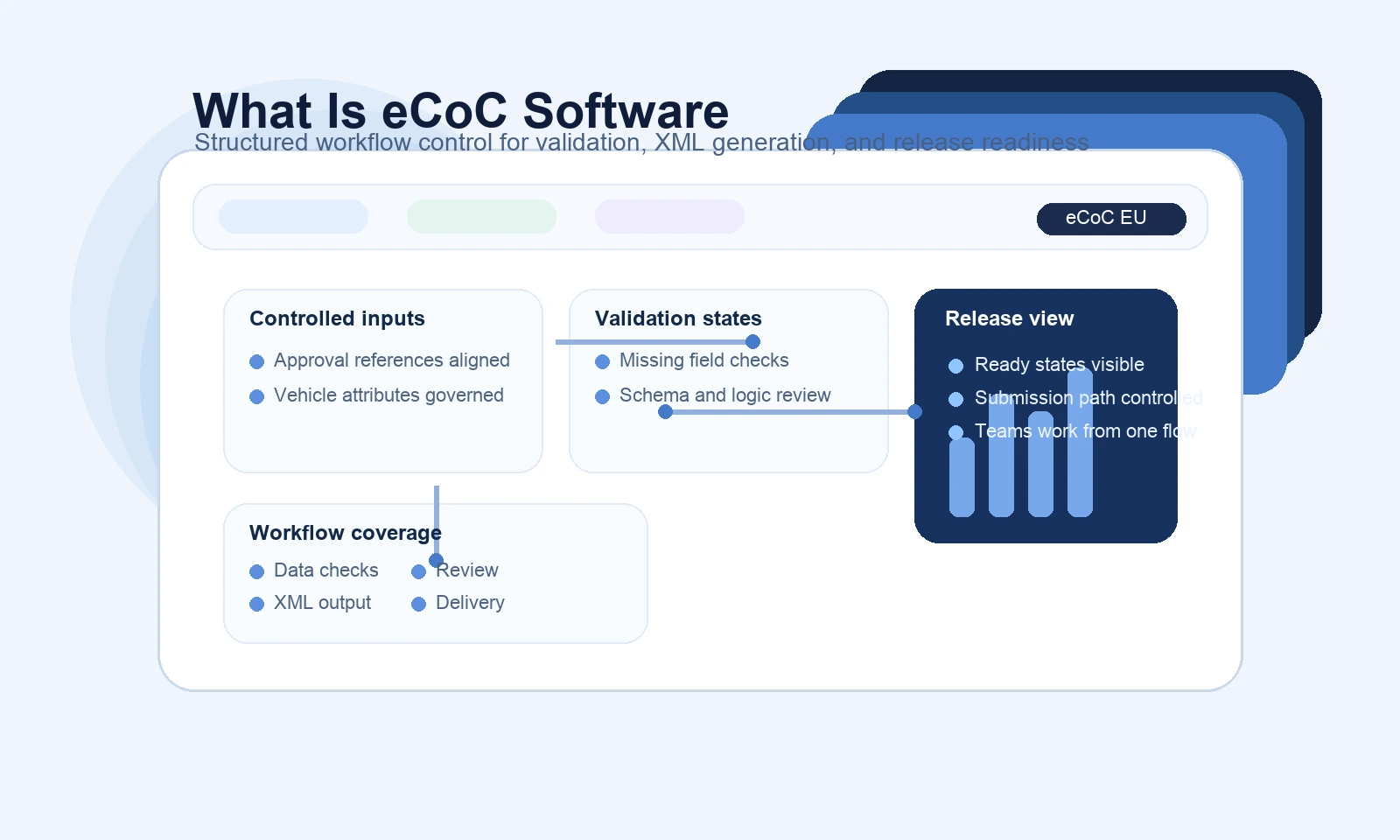
No. The seal protects and verifies the signed output. The software workflow still needs to manage data, validation, XML generation, review, and release readiness.
Official and technical references
These sources support the regulatory and technical statements in this guide. Always check the current consolidated text and the instructions of the authority responsible for your submission route.