Why Structured Vehicle Compliance Data Must Be Maintained Carefully
Modern automotive regulatory frameworks increasingly rely on structured datasets that describe the technical and regulatory characteristics of vehicles. These datasets represent approval information, technical specifications, and conformity references that authorities use when verifying regulatory compliance.
Because these datasets are used across multiple regulatory systems, maintaining them carefully is essential for reliable compliance processes.
The Role of Structured Compliance Data
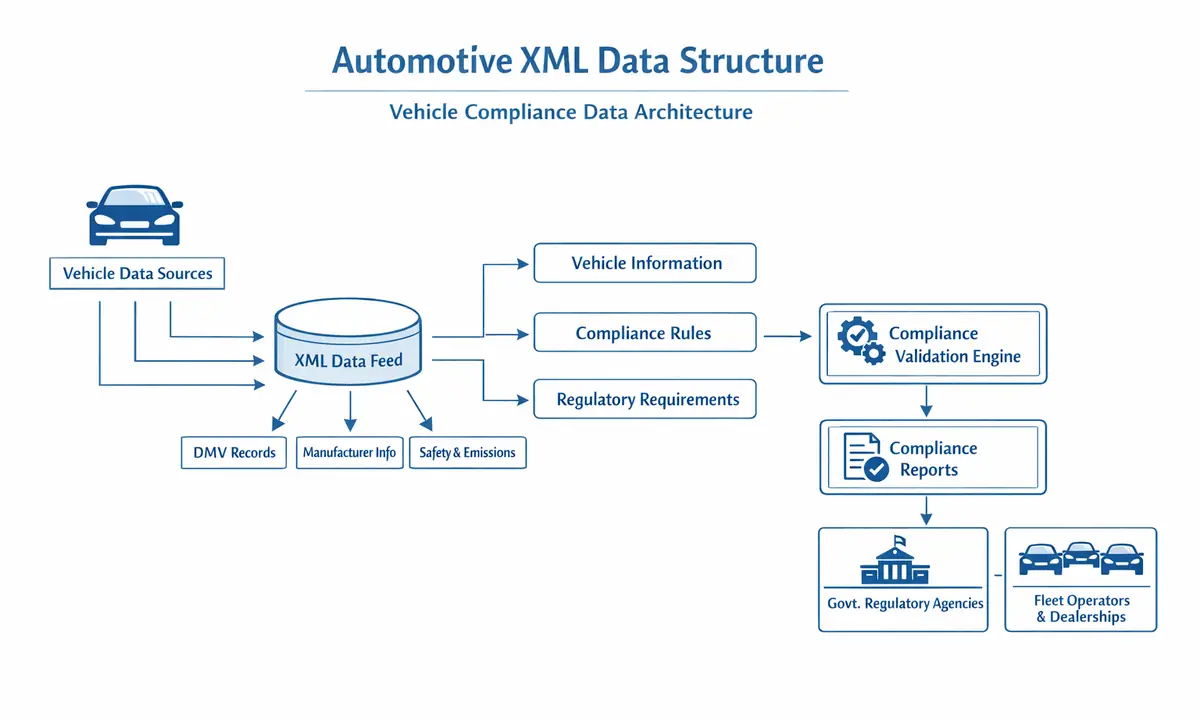
Structured compliance data represents the technical identity of a vehicle within regulatory systems. It describes how the vehicle corresponds to the approved vehicle type and provides the information required for verification processes.
This information may include identification data, manufacturer references, regulatory approval identifiers, and technical characteristics associated with the vehicle.
Lifecycle of Regulatory Vehicle Data
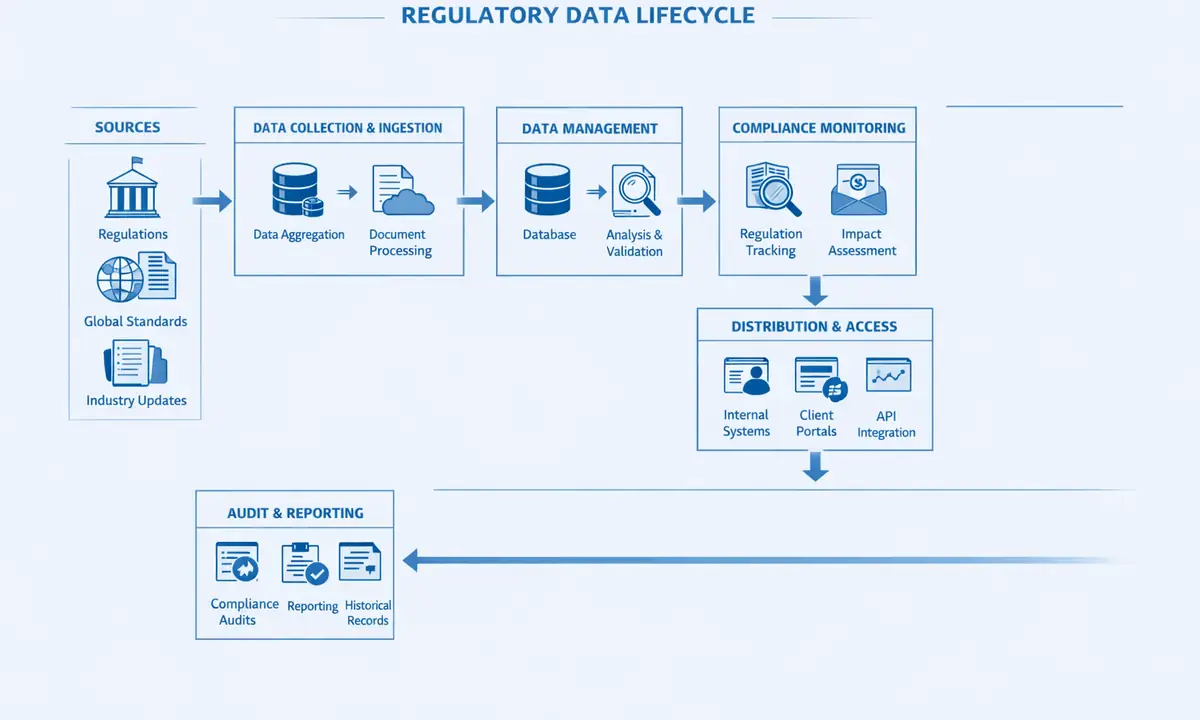
Vehicle compliance data is not only used during the initial approval process. The same information may also be referenced during vehicle registration, administrative procedures, and regulatory verification activities.
Because the data remains relevant throughout the lifecycle of a vehicle, maintaining its accuracy over time is particularly important.
Risks of Inconsistent Compliance Data
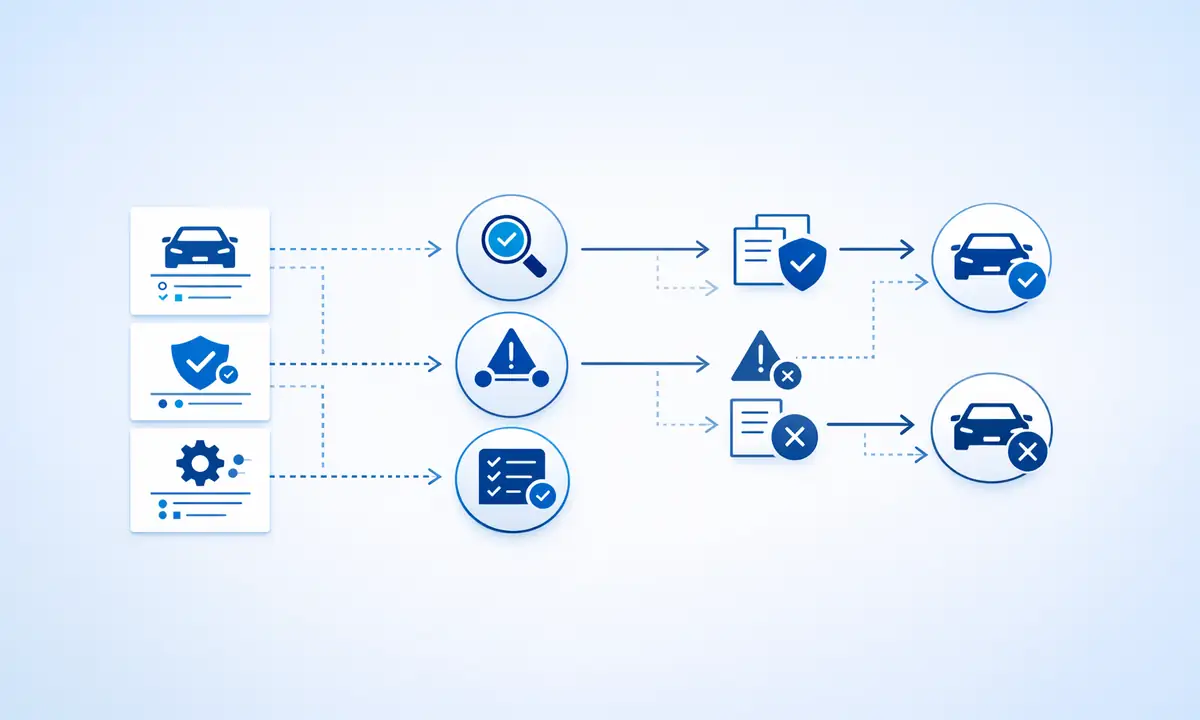
When structured vehicle data becomes inconsistent with regulatory documentation, verification processes may become more complicated. Authorities must be able to rely on regulatory datasets to confirm that a vehicle corresponds to the approved specifications.
Inconsistent data may require additional verification or clarification before regulatory procedures can proceed.
Coordination Between Data Sources
Vehicle regulatory information may originate from multiple sources, including engineering documentation, approval records, and production data. These sources must ultimately represent a consistent description of the vehicle.
Ensuring that these sources remain aligned requires careful coordination and data governance.
The Importance of Compliance Data Governance
Organizations responsible for regulatory vehicle information often rely on structured governance processes to maintain data integrity. These processes help ensure that structured datasets remain consistent with regulatory documentation.
Effective governance supports reliable compliance workflows and helps authorities verify regulatory requirements more efficiently.
Frequently Asked Questions
Why is structured vehicle data important?
Structured data allows regulatory systems to process vehicle information consistently across compliance and registration processes.
What happens when compliance data becomes inconsistent?
Authorities may need to perform additional verification before confirming regulatory compliance.
Why must vehicle data be maintained carefully?
Because regulatory systems rely on accurate datasets to verify that vehicles correspond to approved specifications.
External references
No external references have been added yet.