
Why Vehicle Conformity Documentation Must Align With Regulatory Data
Vehicle conformity documentation plays a central role in confirming that a vehicle corresponds to an approved vehicle type. At the same time, modern regulatory systems increasingly rely on structured digital data representing the same information. Ensuring that documentation and structured regulatory data remain aligned is essential for reliable compliance processes.
The Role of Conformity Documentation
Conformity documentation describes the approved characteristics of a vehicle and confirms that the vehicle has been produced in accordance with regulatory requirements. This information may include technical specifications, manufacturer details, and references to the relevant approval framework.
Authorities rely on this documentation when verifying that vehicles meet regulatory requirements before they are registered.
Structured Regulatory Data
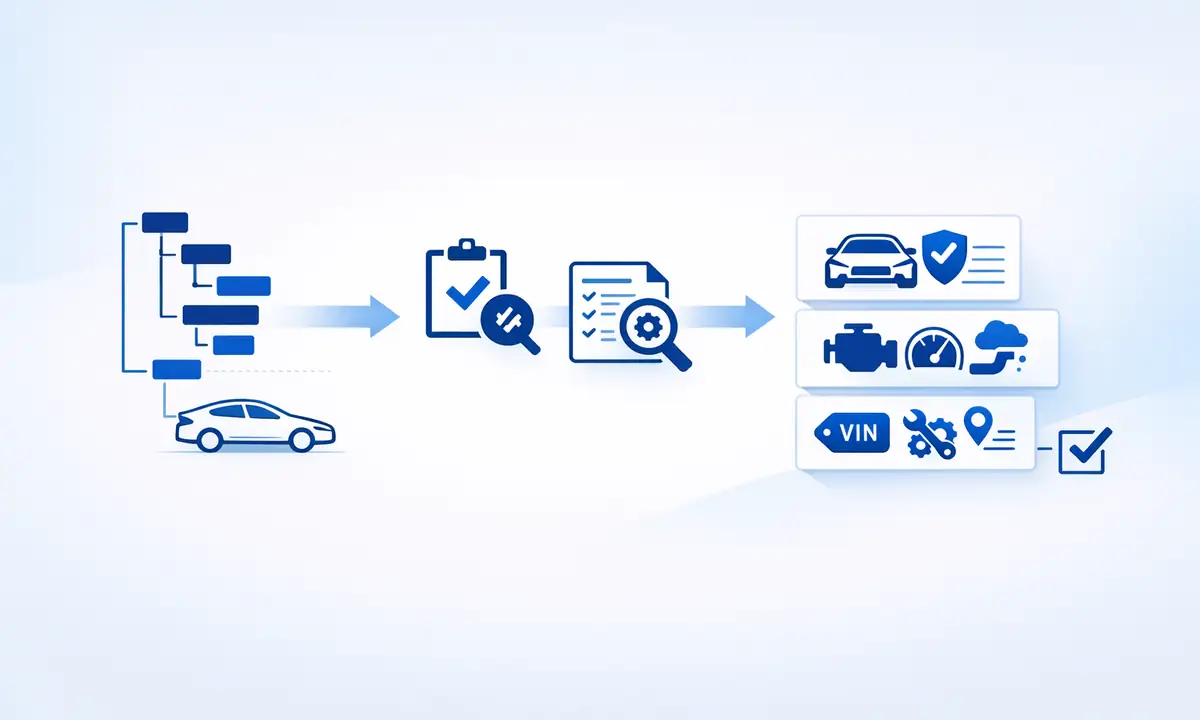
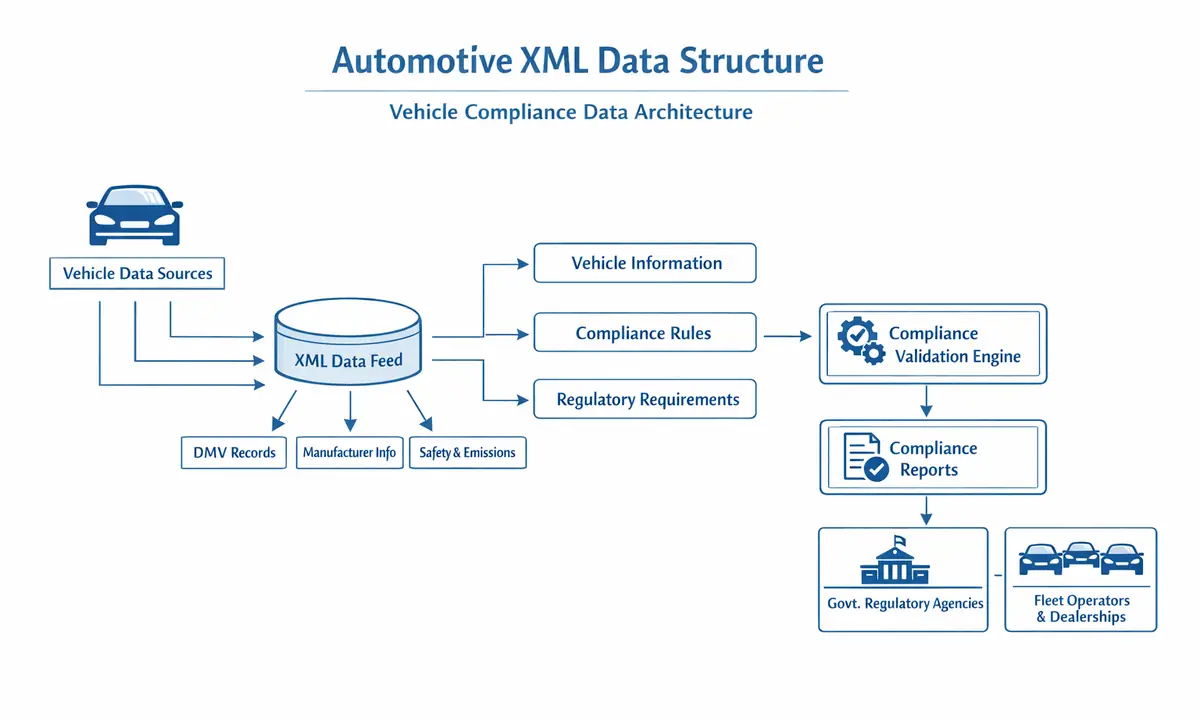
In addition to documentation, regulatory systems increasingly process vehicle information through structured digital datasets. These datasets represent the same technical and regulatory characteristics that appear in conformity documentation.
Structured data allows regulatory systems to verify vehicle information automatically and exchange information efficiently between authorities.
Importance of Data Alignment
When vehicle documentation and structured regulatory data represent the same vehicle characteristics, it is important that they remain consistent. If discrepancies arise between these two sources of information, additional verification may be required.
Maintaining alignment between documentation and digital data helps ensure that regulatory verification processes operate smoothly.
Sources of Inconsistency
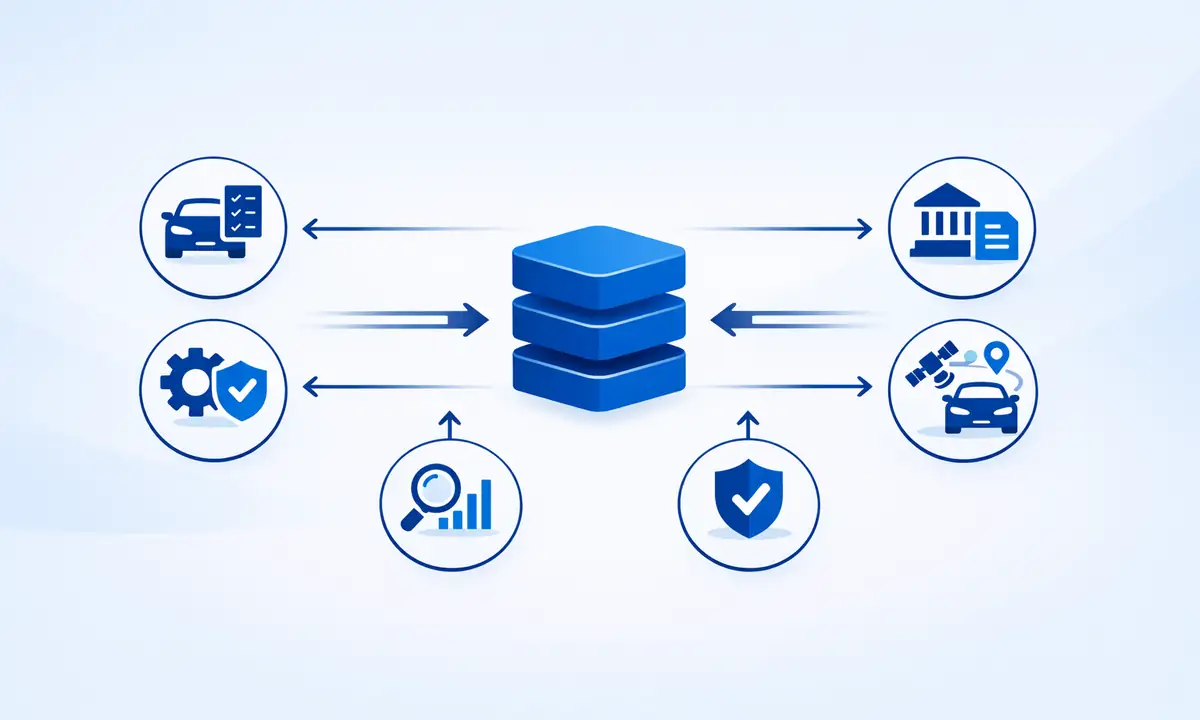
Inconsistencies can occur when vehicle data is generated from multiple sources, such as engineering documentation, approval records, or production information. Each source may contain relevant technical details that must ultimately correspond to the same regulatory description of the vehicle.
Ensuring that these sources remain synchronized requires careful management of regulatory data.
The Role of Compliance Workflows
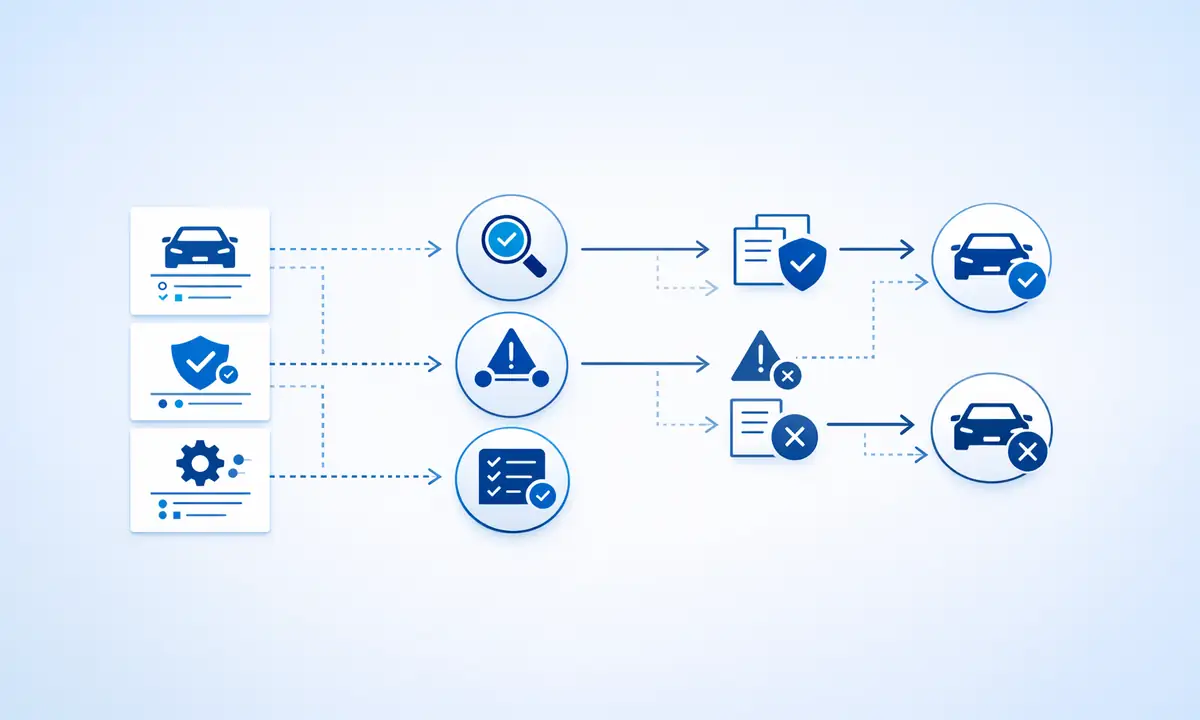
Organizations responsible for vehicle conformity information often rely on structured compliance workflows that help maintain consistency between documentation and digital datasets. These workflows help ensure that the technical characteristics of the vehicle remain accurately represented across regulatory processes.
Maintaining this alignment is particularly important in digital regulatory environments where structured data is used for automated verification.
Benefits of Accurate Regulatory Data
When conformity documentation and structured regulatory data remain consistent, regulatory verification becomes more reliable and efficient.
- Reduced ambiguity during compliance checks
- Improved consistency across regulatory systems
- More efficient vehicle registration processes
- Greater confidence in regulatory data accuracy
These benefits highlight the importance of maintaining reliable regulatory data governance.
Frequently Asked Questions
Why must documentation match structured regulatory data?
Because regulatory systems rely on both documentation and structured datasets to verify vehicle conformity.
What happens when documentation and data differ?
Authorities may need to perform additional verification before confirming regulatory compliance.
How can organizations maintain alignment?
Organizations typically rely on structured compliance workflows and careful regulatory data management.
External references
No external references have been added yet.