
Why Automotive Regulatory Data Requires Careful Management
Modern automotive regulation relies heavily on structured technical information describing the characteristics of vehicles placed on the market. This regulatory data forms the foundation of approval processes, compliance verification, and vehicle registration procedures.
Because regulatory datasets can contain extensive technical information, managing them accurately is an important responsibility for organizations involved in vehicle compliance.
The Role of Regulatory Vehicle Data
Regulatory vehicle data represents the approved characteristics of a vehicle type. This information allows authorities to confirm that vehicles meet safety, environmental, and technical standards before they are introduced to the market.
Maintaining accurate datasets ensures that regulatory systems can reliably verify vehicle compliance.
Increasing Complexity of Automotive Regulations
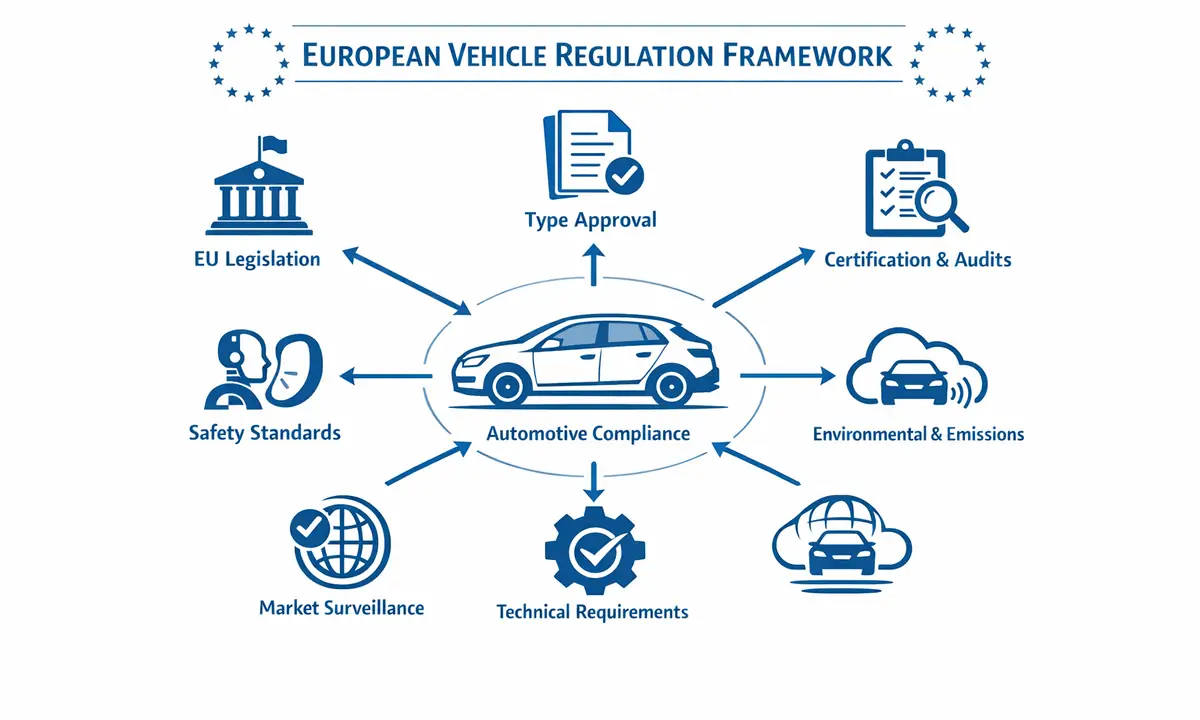
Automotive regulations continue to evolve as new technologies, environmental requirements, and safety standards are introduced. Each regulatory update may introduce new data elements that must be documented and managed.
This expanding regulatory landscape increases the complexity of the datasets used to represent vehicle compliance information.
Multiple Sources of Regulatory Data
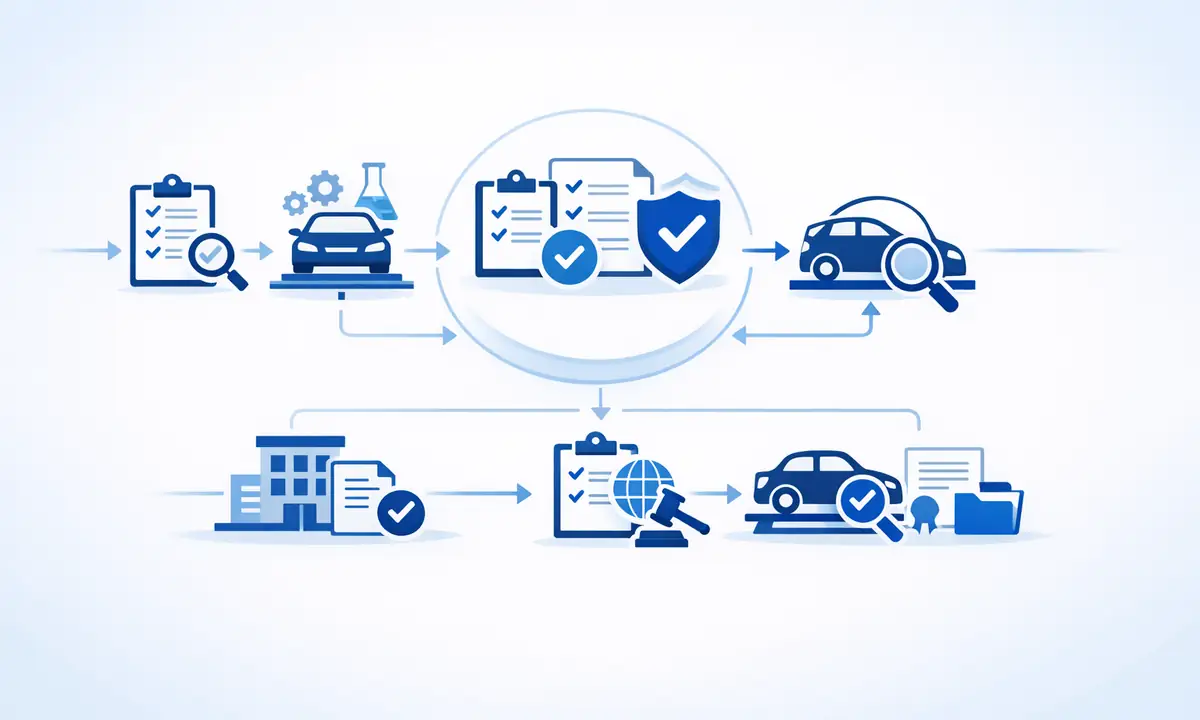
Vehicle regulatory information often originates from multiple sources, including engineering documentation, approval records, and manufacturing specifications. These sources must ultimately contribute to a consistent representation of the vehicle’s approved characteristics.
Ensuring that all sources remain aligned requires careful coordination.
Structured Data Governance
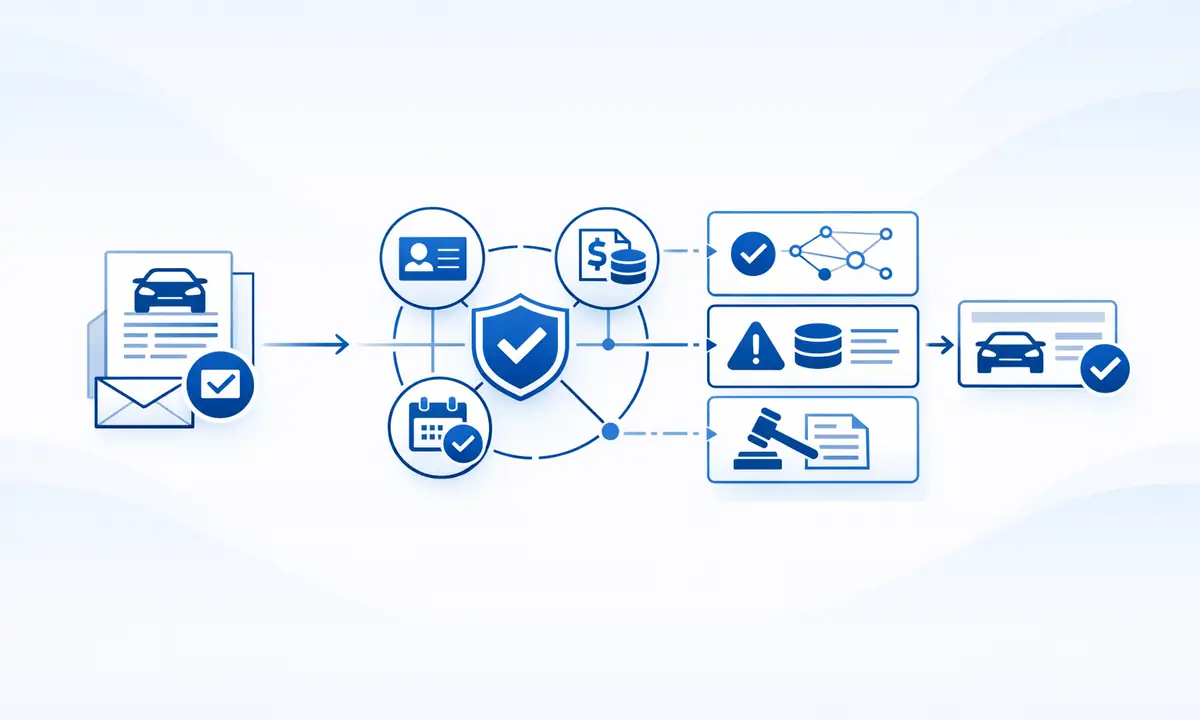
Structured data governance helps ensure that regulatory vehicle information remains consistent across compliance workflows. Governance processes may include validation procedures, documentation controls, and data management policies.
These processes help organizations maintain reliable regulatory datasets.
Challenges of Managing Regulatory Information
Because vehicle data is used across several regulatory systems, inconsistencies can create complications in verification processes. Maintaining reliable data therefore requires attention to both technical accuracy and regulatory interpretation.
Organizations involved in compliance processes often rely on specialized expertise to manage these responsibilities effectively.
Benefits of Reliable Data Management
When regulatory vehicle data is managed effectively, authorities and manufacturers benefit from more reliable compliance processes.
- Improved consistency in regulatory verification
- Reduced administrative complexity
- Greater transparency in vehicle approval data
- More efficient vehicle registration workflows
These benefits demonstrate why careful management of regulatory information is essential in modern automotive compliance systems.
Frequently Asked Questions
What is automotive regulatory data?
Automotive regulatory data includes the technical and approval information used to confirm that vehicles meet regulatory standards.
Why must regulatory vehicle data be managed carefully?
Accurate regulatory data helps ensure that vehicles comply with approval specifications and regulatory frameworks.
Who manages regulatory vehicle data?
Manufacturers, regulatory authorities, and compliance specialists may all participate in managing regulatory datasets.
External references
No external references have been added yet.