EU Regulation 2018/858 Explained
Regulation (EU) 2018/858 is one of the core legal references behind the modern European vehicle approval system. It defines the framework within which vehicles are approved, conformity is managed, and market surveillance responsibilities are carried out.
For searchers looking for Regulation 2018/858 explained, the most useful summary is that the regulation provides the legal structure behind approval, conformity, oversight, and many of the operational processes that later depend on structured vehicle data.
What this page covers
- What Regulation 2018/858 governs
- How it relates to vehicle type approval
- Why it matters for digital compliance operations
Regulation (EU) 2018/858 establishes the legal framework for vehicle type approval and market surveillance within the European Union. It defines how vehicles must be assessed for compliance before they are placed on the European market and introduces mechanisms to ensure that approved vehicles continue to meet regulatory requirements throughout their lifecycle.
Introduction to Regulation (EU) 2018/858
The European automotive market requires a harmonized system that ensures vehicles meet common safety, environmental, and technical standards. Regulation (EU) 2018/858 was introduced to modernize and strengthen the vehicle type approval system across EU member states.
The regulation replaced the earlier Directive 2007/46/EC and introduced updated procedures for vehicle approval, conformity verification, and market surveillance.
Purpose of the Regulation
The regulation was designed to improve the reliability and transparency of the European vehicle approval system. It ensures that vehicles placed on the market meet consistent standards while strengthening oversight of manufacturers and approval authorities.
By establishing harmonized rules across the European Union, the regulation helps maintain fair competition while protecting safety and environmental objectives.
How the Type Approval Framework Works
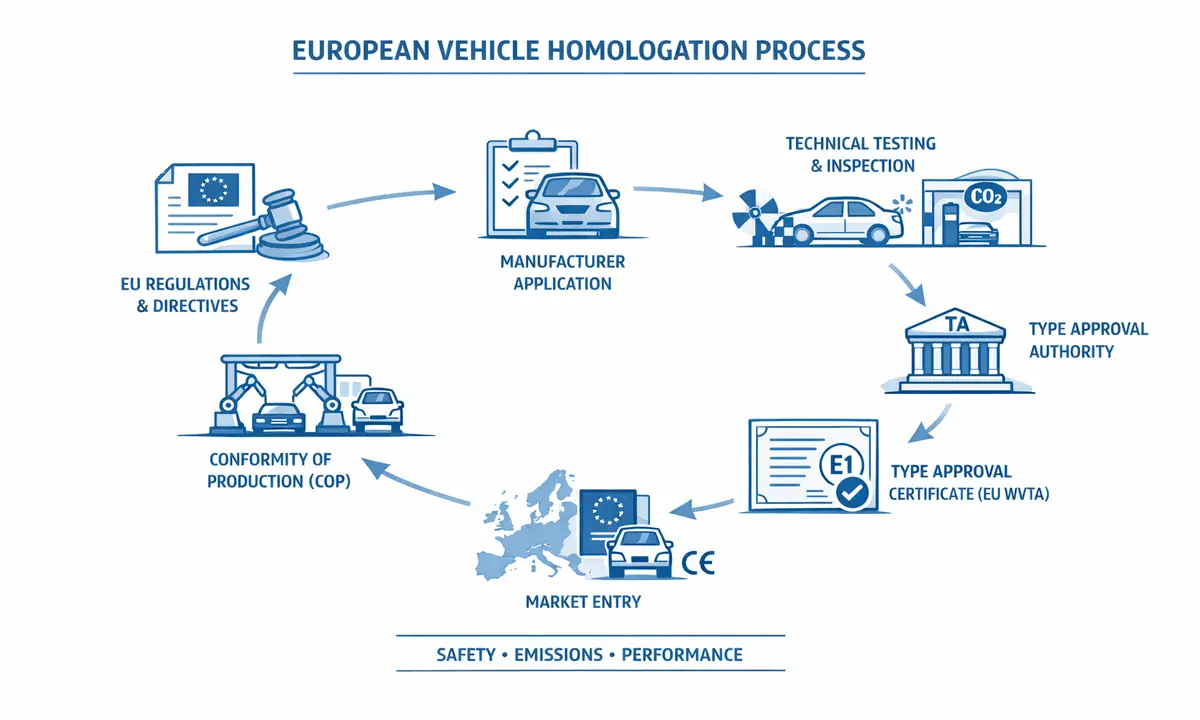
Under the framework defined by Regulation (EU) 2018/858, vehicles must undergo a type approval process before they can be marketed in the European Union. During this process, authorities evaluate whether the vehicle design complies with applicable technical regulations.
Once a vehicle type receives approval, the manufacturer may produce vehicles that conform to that approved specification.
Key Elements of the Regulation
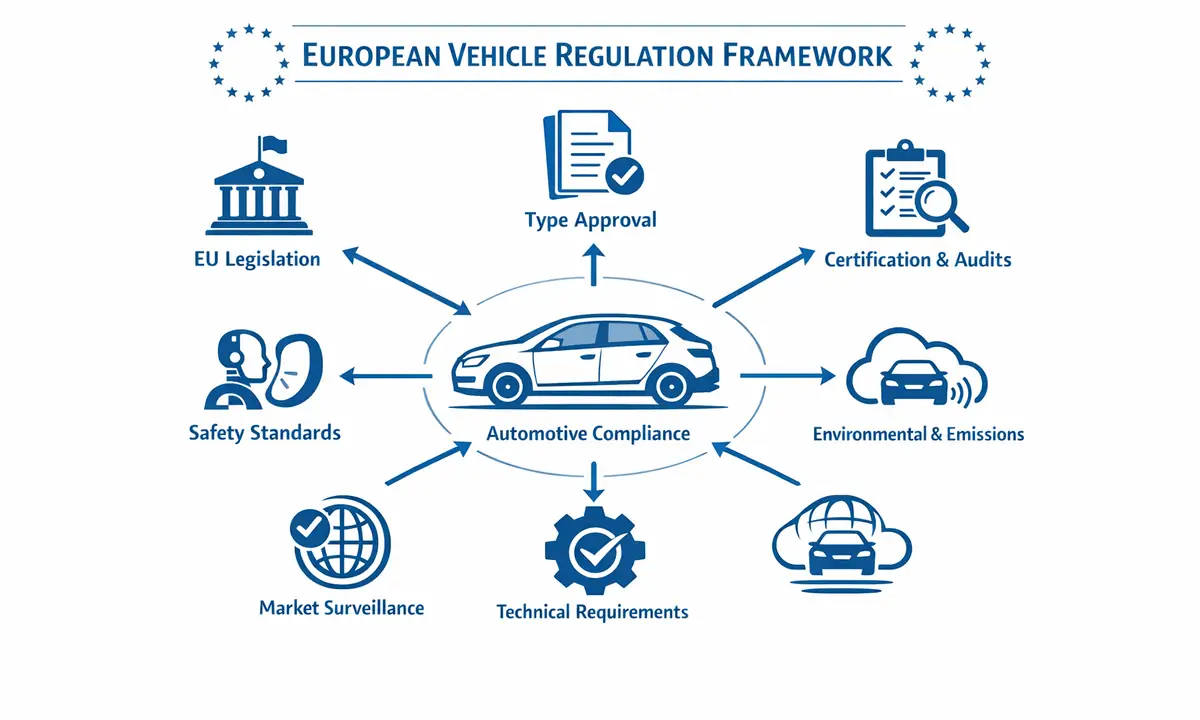
The regulation defines several core components of the vehicle approval system.
- Vehicle type approval procedures
- Responsibilities of manufacturers
- Approval authority roles
- Market surveillance mechanisms
- Conformity of production requirements
These elements collectively ensure that vehicles placed on the market comply with the regulatory framework.
Responsibilities of Manufacturers
Manufacturers must demonstrate that their vehicles comply with all relevant regulatory requirements. This includes providing technical documentation, conducting required tests, and ensuring that vehicles produced remain consistent with the approved vehicle type.
Manufacturers are also responsible for maintaining records and cooperating with authorities during compliance verification procedures.
Role of Market Surveillance
Regulation (EU) 2018/858 introduced stronger market surveillance mechanisms. These mechanisms allow authorities to verify that vehicles placed on the market continue to comply with regulatory requirements even after type approval has been granted.
This helps ensure that regulatory compliance is maintained throughout the lifecycle of vehicles.
Benefits of the Updated Regulatory Framework
The regulation strengthens the reliability of the European vehicle approval system while improving transparency and oversight.
- Improved consistency across member states
- Stronger regulatory enforcement
- Enhanced market surveillance capabilities
- Better cooperation between authorities
These improvements contribute to maintaining high safety and environmental standards within the European automotive market.
Regulation vs operational workflow
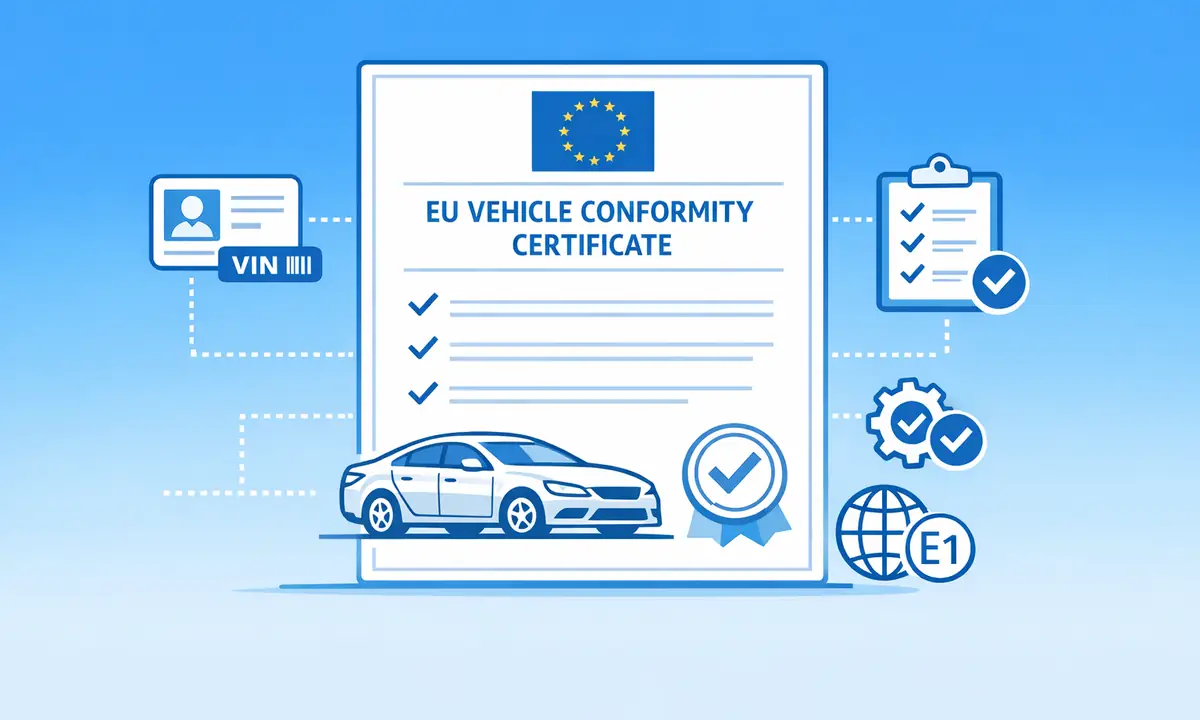
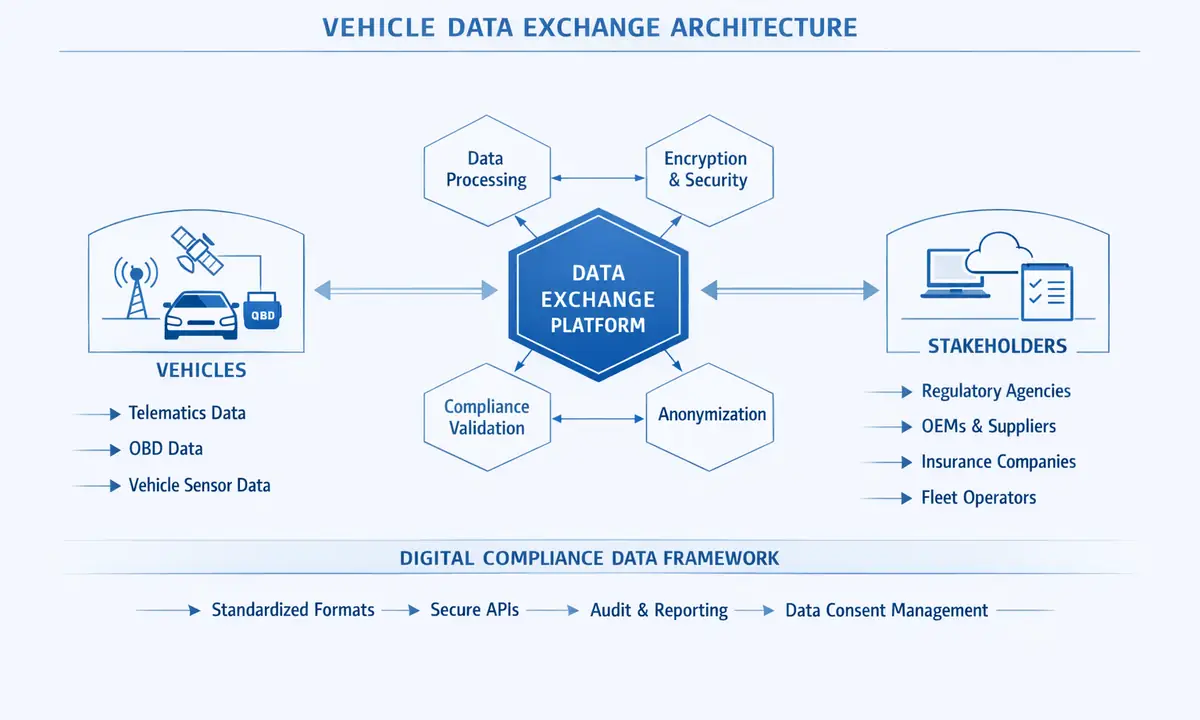
The regulation defines the legal framework. Operational systems such as eCoC workflows, structured vehicle data models, and registration-related exchange layers exist to implement that framework in practice.
That distinction matters because legal clarity alone does not guarantee operational consistency; the data and workflow layers still have to be managed correctly.
Why Regulation 2018/858 matters operationally
Regulation 2018/858 is not only relevant to legal teams. It shapes the operational environment in which approval data, conformity outputs, and surveillance responsibilities must stay aligned. That is why manufacturer workflows, structured vehicle data, and authority-side systems all trace back to this legal framework.
Frequently Asked Questions
What replaced Directive 2007/46/EC?
Regulation (EU) 2018/858 replaced Directive 2007/46/EC as the legal framework for vehicle type approval in the European Union.
Why was Regulation 2018/858 introduced?
The regulation was introduced to strengthen the vehicle approval system and improve regulatory oversight across the EU.
Who must comply with the regulation?
Vehicle manufacturers placing vehicles on the European market must comply with the requirements defined in the regulation.
Does the regulation apply to all vehicles?
The regulation applies to vehicles within the scope defined by the European vehicle type approval framework.
How to use the regulation in operational work
Start with the current official text and identify the provision, vehicle scope, responsible party, and procedure that relate to the question. Then distinguish the framework regulation from delegated or implementing acts, technical requirements, and national authority instructions. A high-level obligation may be stable while the data format or submission process used to demonstrate it changes.
For digital conformity work, teams should map legal responsibilities to controlled operational evidence: who owns approval data, who confirms production conformity, who releases information for an individual vehicle, and which authority result closes the process. That mapping helps prevent a software state such as “validated” from being mistaken for a legal or authority decision it does not represent.
Check the consolidated text and route-specific rules
Articles and dates quoted in guidance should be verified against EUR-Lex before they are used for a release decision. Where a national authority supplies a schema, message book, portal instruction, or acceptance rule, keep its version with the implementation evidence. The regulation provides the legal framework, but it does not make every national technical route identical.
Official and technical references
These sources support the regulatory and technical statements in this guide. Always check the current consolidated text and the instructions of the authority responsible for your submission route.