
Why Managing Vehicle Regulatory Data Is Increasingly Complex
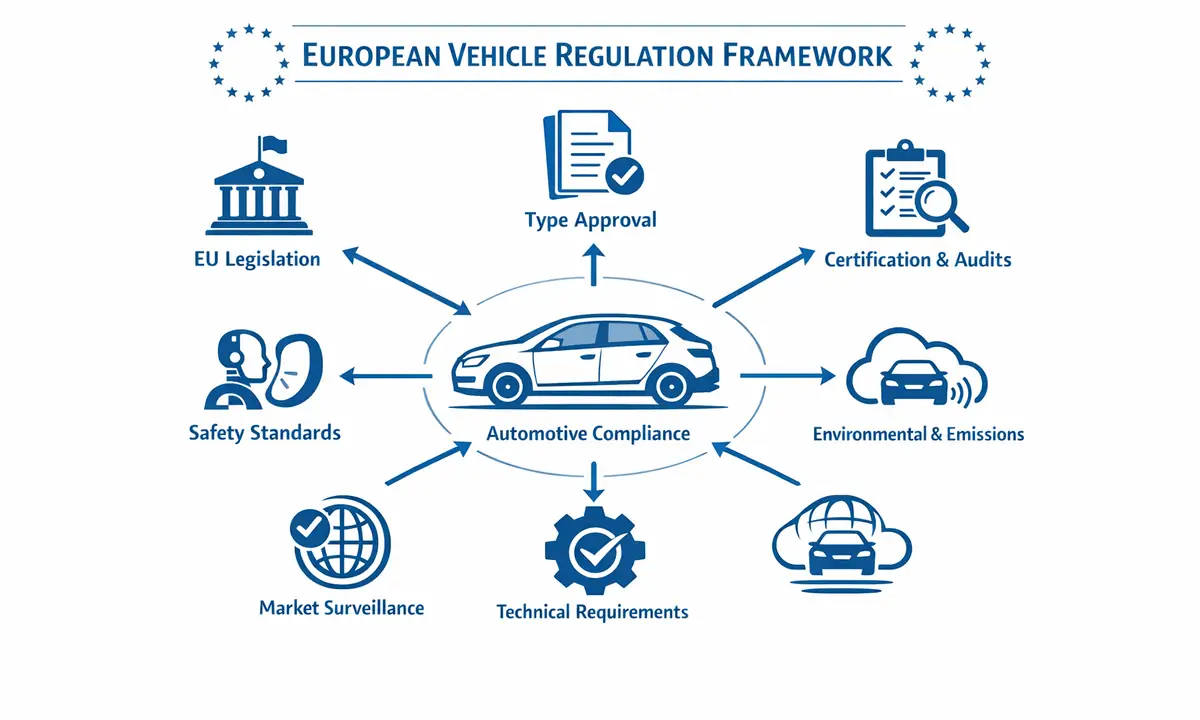
Vehicle regulatory frameworks have evolved significantly as automotive technologies and safety standards have advanced. Modern vehicles must comply with numerous technical regulations, environmental requirements, and documentation procedures. As a result, the amount of regulatory data associated with each vehicle has increased considerably.
The Growth of Regulatory Requirements
Automotive regulations cover a wide range of vehicle characteristics, from safety systems and structural integrity to environmental performance and technical specifications. Each of these areas may introduce additional data requirements that must be documented during the approval process.
As regulatory frameworks expand, managing this information becomes more challenging.
Structured Regulatory Information
Many modern regulatory systems rely on structured data formats to represent vehicle information. Instead of relying solely on documentation, authorities increasingly process vehicle data electronically.
This structured approach improves consistency but also requires careful management of data elements and relationships between technical parameters.
Cross-System Data Dependencies
Vehicle regulatory information may be used by multiple systems responsible for approval, compliance verification, and vehicle registration. Each of these systems may rely on the same underlying data.
Ensuring that these systems operate with consistent information can be difficult when the data originates from multiple sources.
Regulatory Interpretation
Vehicle regulations often define technical parameters that must be interpreted within a specific regulatory context. This means that regulatory data must not only be accurate but also structured in a way that reflects the underlying regulatory definitions.
Understanding how these parameters interact requires familiarity with regulatory frameworks and vehicle approval processes.
Maintaining Consistency Across Systems
When vehicle regulatory information is transmitted between systems, maintaining consistency becomes essential. Inconsistent data can lead to complications in regulatory verification or administrative procedures.
Organizations involved in regulatory processes therefore need reliable methods for managing structured vehicle data.
The Need for Specialized Compliance Workflows
Because of the complexity involved in managing regulatory information, many organizations adopt specialized workflows designed to maintain accurate and consistent data. These workflows help ensure that vehicle conformity information remains aligned with regulatory requirements.
Maintaining such workflows often requires dedicated expertise in both regulatory frameworks and structured data management.
Frequently Asked Questions
Why has vehicle regulatory data become more complex?
Regulatory frameworks have expanded to address new safety, environmental, and technical requirements.
Why is structured data used in vehicle regulation?
Structured data allows regulatory systems to process vehicle information more efficiently and consistently.
Why do organizations use specialized compliance workflows?
Managing regulatory data across multiple systems requires careful coordination and expertise to ensure consistency.
External references
No external references have been added yet.