Why Vehicle Compliance Processes Require Specialized Expertise
Modern vehicle compliance processes involve a wide range of regulatory requirements, technical documentation, and structured data systems. Ensuring that vehicles meet all applicable standards requires a detailed understanding of both regulatory frameworks and technical vehicle characteristics.
The Complexity of Vehicle Regulations
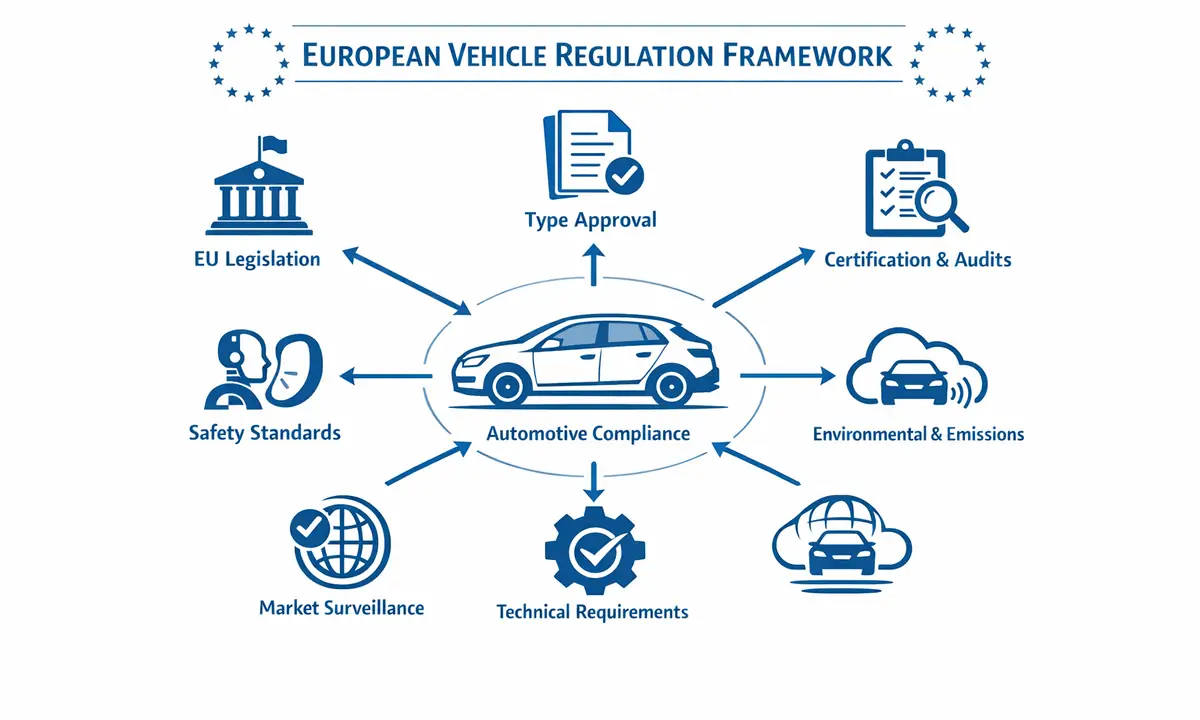
Automotive regulations are designed to ensure that vehicles meet strict safety, environmental, and technical standards before they can be placed on the market. These regulations cover many aspects of vehicle design and performance.
Understanding how these regulatory requirements apply to specific vehicle configurations can require significant expertise.
Technical Documentation Requirements
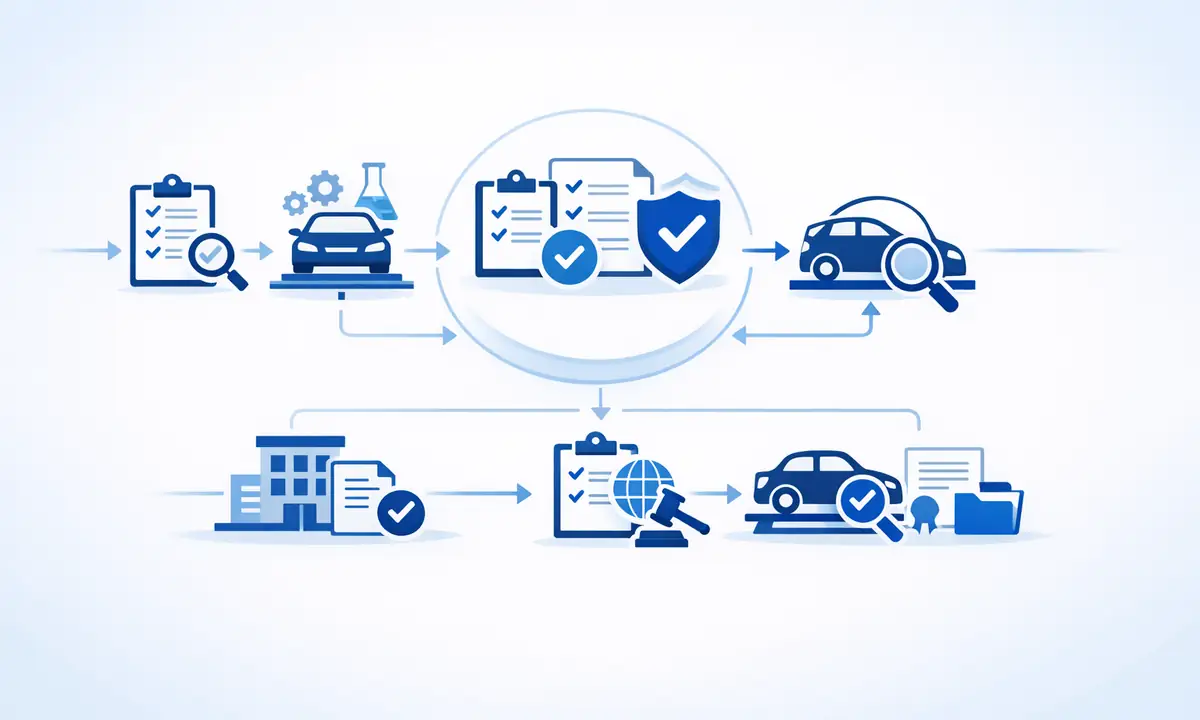
Vehicle approval and conformity processes often involve extensive documentation describing vehicle characteristics. This documentation must accurately represent the approved configuration of the vehicle and remain consistent across regulatory systems.
Maintaining accurate documentation is an important part of ensuring compliance with regulatory requirements.
Structured Data in Compliance Systems
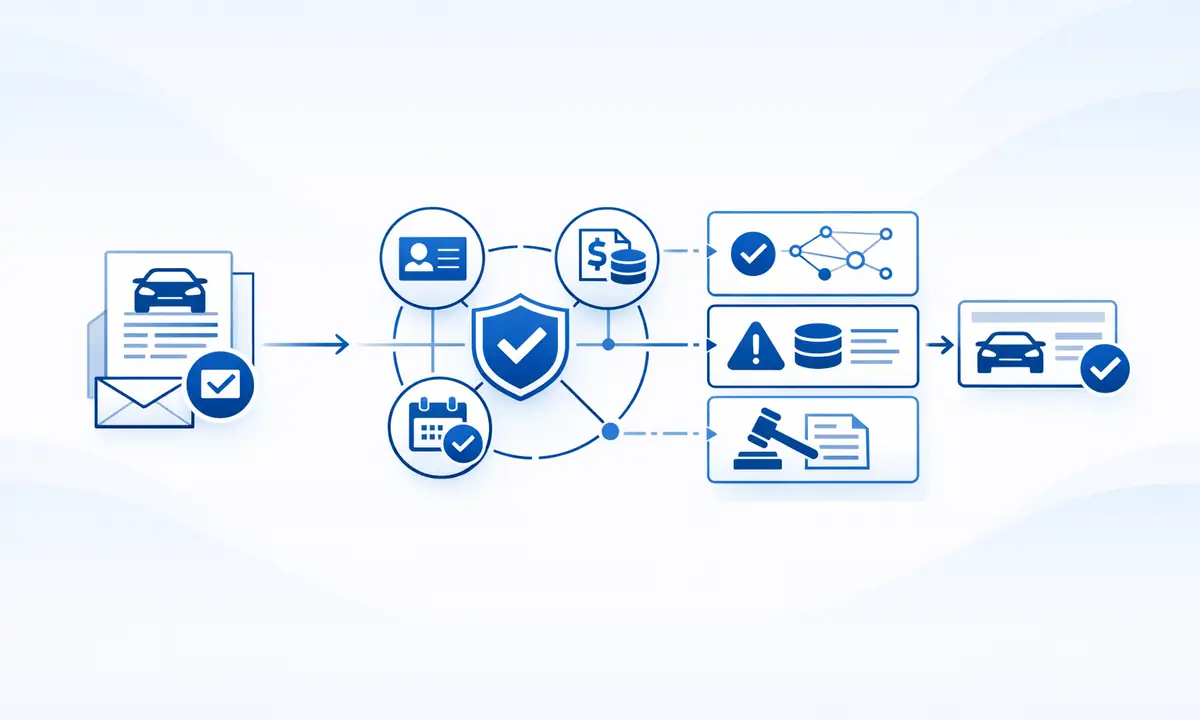
Many modern regulatory processes rely on structured data formats to represent vehicle conformity information. These formats allow systems to process vehicle information automatically.
Managing structured data introduces additional technical considerations that must be handled carefully to ensure data accuracy and consistency.
Interaction Between Multiple Stakeholders
Vehicle compliance processes involve cooperation between several stakeholders, including manufacturers, regulatory authorities, and vehicle registration organizations.
Each participant plays a specific role in verifying that vehicles comply with the regulatory framework.
Regulatory Interpretation and Technical Understanding
Interpreting regulatory requirements often requires both legal and technical understanding. Vehicle characteristics must be evaluated in the context of regulatory definitions and approval procedures.
This combination of regulatory and technical expertise makes vehicle compliance processes inherently complex.
Importance of Reliable Compliance Processes
Reliable compliance workflows help ensure that vehicles placed on the market meet all applicable requirements. Maintaining these workflows requires careful coordination between engineering, regulatory, and administrative processes.
Organizations responsible for vehicle compliance often rely on specialized expertise to manage these processes effectively.
Frequently Asked Questions
Why is vehicle compliance complex?
Vehicle compliance involves regulatory requirements, technical vehicle characteristics, and structured regulatory data systems.
Who manages vehicle compliance processes?
Manufacturers, regulatory specialists, and approval authorities may all be involved in ensuring compliance with automotive regulations.
Why does compliance require expertise?
Understanding regulatory requirements and managing structured technical data often requires specialized knowledge of automotive compliance frameworks.
External references
No external references have been added yet.