
Why Vehicle Compliance Systems Are Becoming Digital
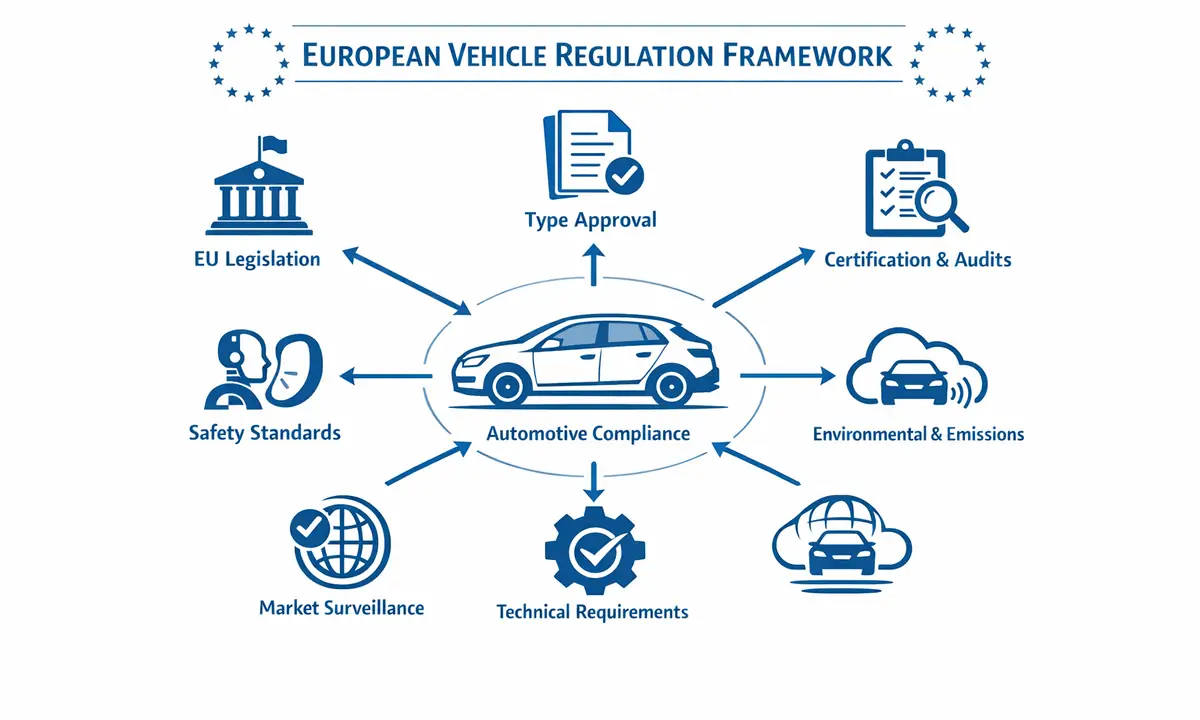
Vehicle regulation has historically relied on documentation-based verification processes. Manufacturers produced documents describing the characteristics of a vehicle, and regulatory authorities reviewed those documents to confirm compliance with applicable regulations. As automotive technology and regulatory frameworks have evolved, this approach has gradually shifted toward digital data exchange.
The Evolution of Automotive Regulation
The automotive industry has undergone significant technological changes over the past decades. Vehicles have become more complex, regulatory requirements have expanded, and the volume of technical data associated with vehicle approval has increased.
These developments have encouraged regulatory authorities to adopt digital systems that allow vehicle information to be exchanged more efficiently.
Limitations of Paper-Based Compliance Processes
Paper-based regulatory processes can be difficult to manage when large volumes of technical information are involved. Documents may need to be reviewed, transmitted, archived, and verified by multiple organizations.
As regulatory environments become more interconnected, relying solely on documentation can create administrative challenges.
The Benefits of Digital Compliance Data
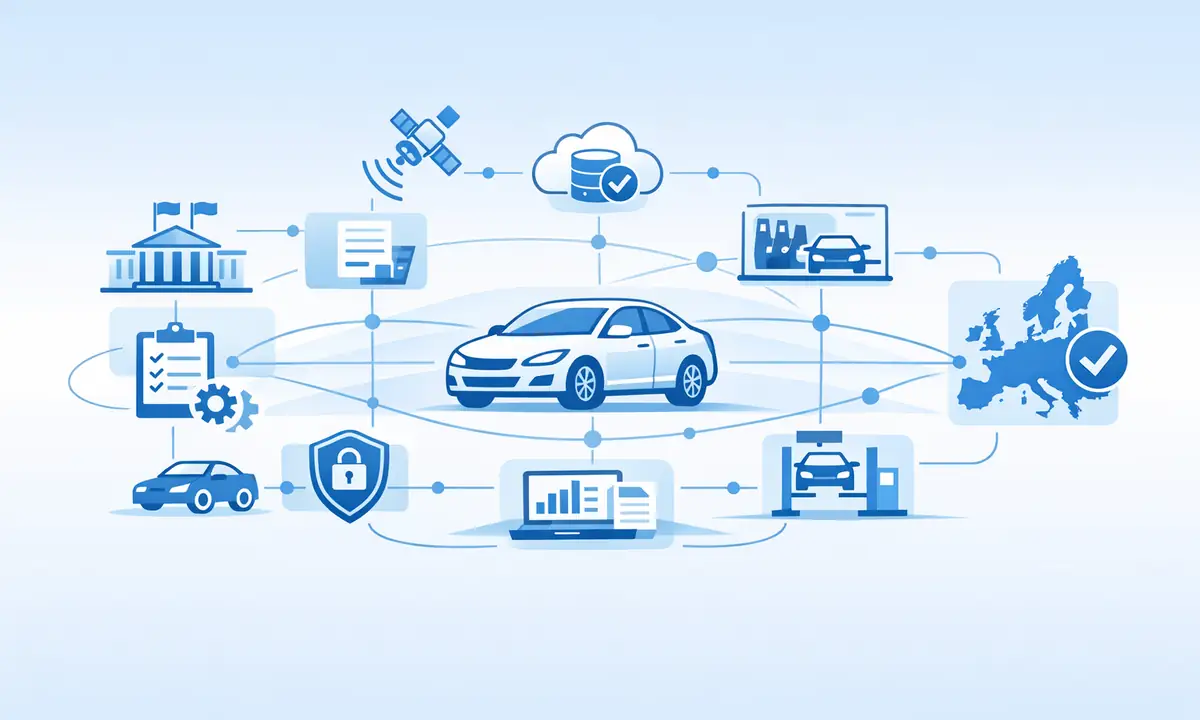
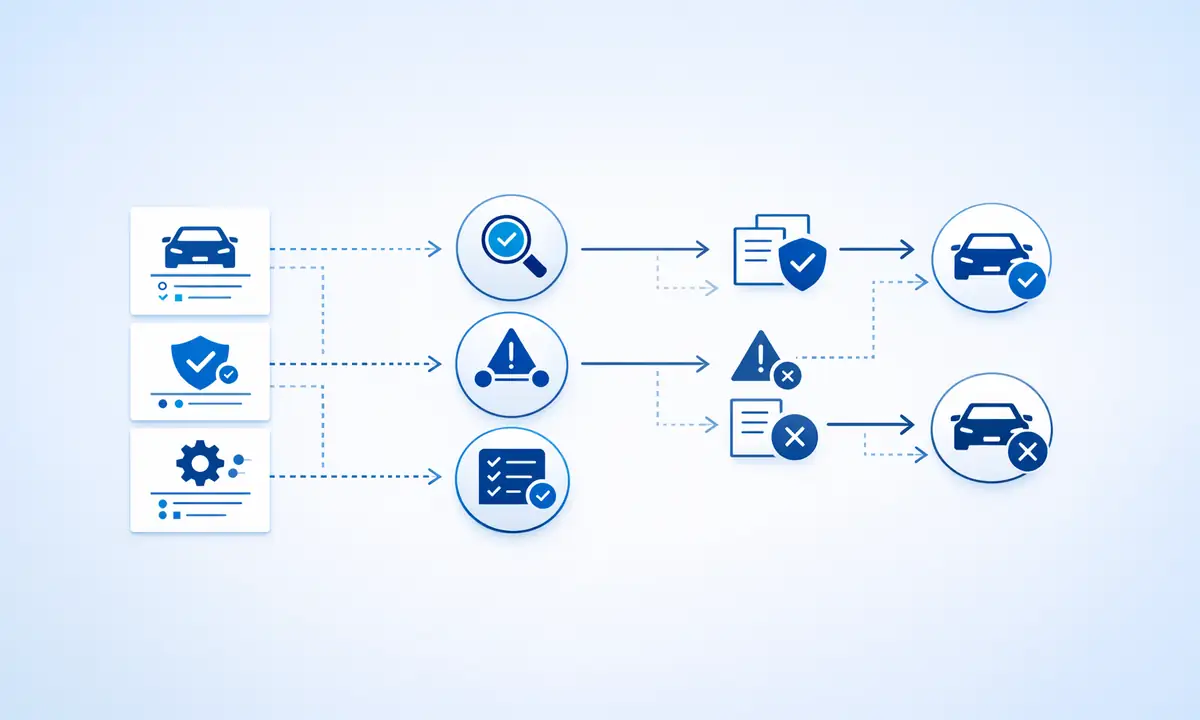
Digital compliance systems allow vehicle information to be represented as structured data rather than static documents. Structured data formats enable regulatory systems to process information automatically and verify compliance more efficiently.
These systems also make it easier to share information between authorities when vehicles move between jurisdictions.
Improved Data Consistency
Structured digital systems can improve consistency in regulatory data. When information is represented in standardized formats, authorities can interpret vehicle characteristics more reliably.
This consistency helps reduce ambiguity in regulatory verification processes.
Cross-Border Regulatory Cooperation
The European automotive market operates across multiple countries. Vehicles may be produced in one country, approved in another, and registered in a third. Digital data exchange systems allow authorities to cooperate more effectively in these situations.
Structured vehicle data can be transmitted electronically, allowing authorities to access the information needed for regulatory verification.
Challenges of Digital Transformation
While digital compliance systems provide many benefits, they also introduce new challenges. Organizations must manage structured data formats, maintain data consistency, and ensure that information remains aligned with regulatory requirements.
Managing these processes often requires specialized expertise and reliable compliance workflows.
Frequently Asked Questions
Why are automotive compliance systems becoming digital?
The increasing complexity of vehicle regulations and technical data has encouraged authorities to adopt structured digital data exchange systems.
What are the advantages of digital compliance systems?
Digital systems can improve data consistency, support automated verification processes, and enable cross-border regulatory cooperation.
Do digital systems replace regulatory oversight?
No. Digital systems support regulatory processes but authorities remain responsible for verifying compliance with regulatory requirements.
External references
No external references have been added yet.