What is an IVI National Access Point (NAP)
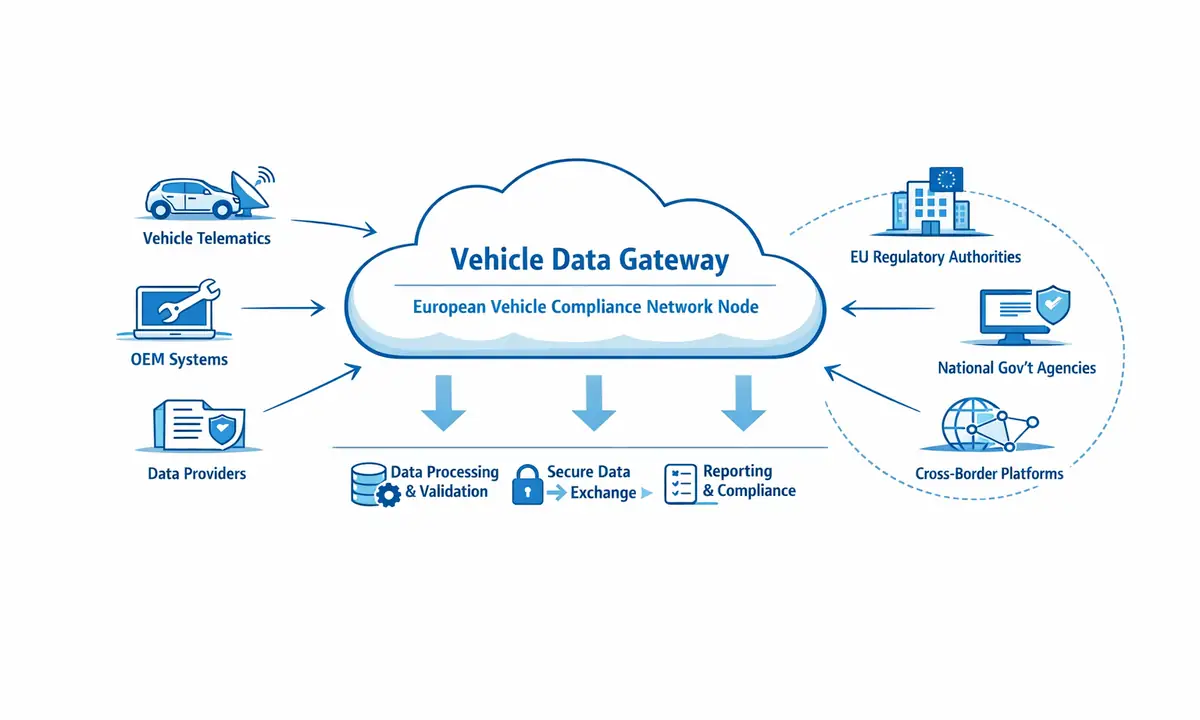
An IVI National Access Point (NAP) is a gateway used within European vehicle information exchange systems to transmit structured vehicle conformity data between manufacturers and regulatory networks. It acts as an interface through which vehicle information can be validated, processed, and shared with relevant authorities.
Introduction to National Access Points
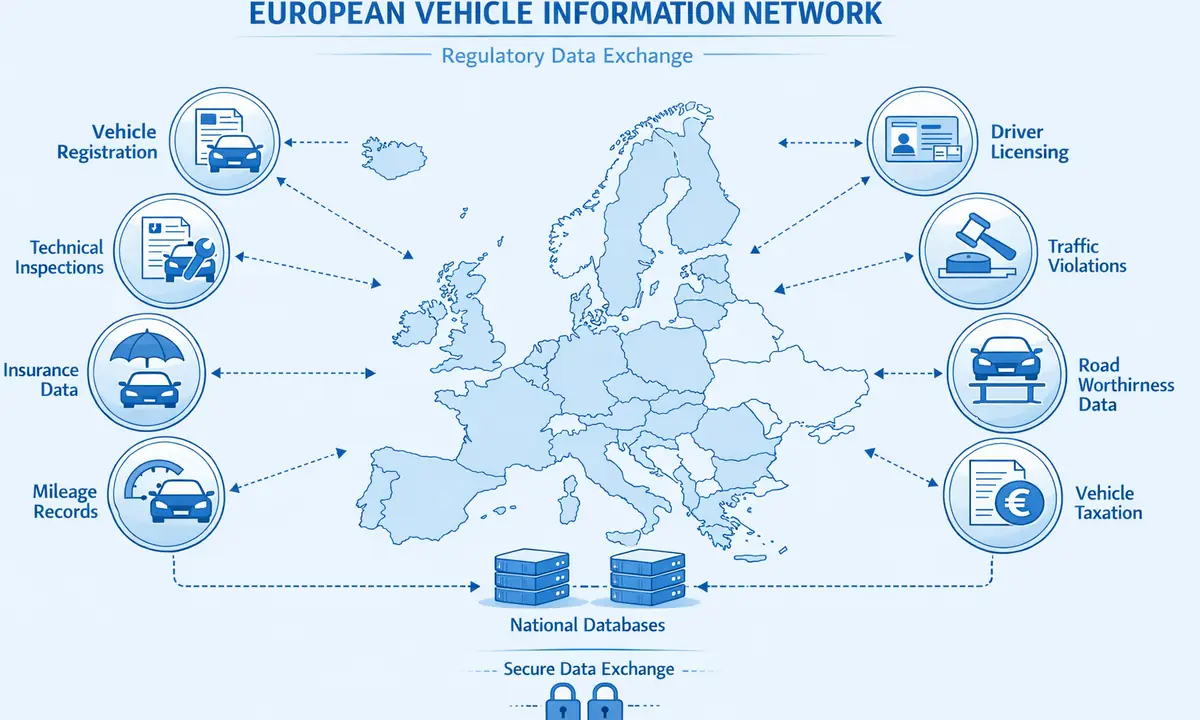
Modern automotive regulatory systems rely on digital data exchange between multiple stakeholders. These stakeholders may include vehicle manufacturers, approval authorities, and national vehicle registration systems.
To enable reliable communication between these systems, standardized access points are used to manage the transmission of vehicle information. An IVI National Access Point is one such gateway.
Purpose of an IVI National Access Point
The primary purpose of an IVI National Access Point is to facilitate the exchange of vehicle conformity data in a structured and standardized way. It ensures that vehicle information can move between different regulatory systems while maintaining consistency and traceability.
By providing a controlled interface for data exchange, National Access Points help ensure that vehicle information is transmitted securely and reliably.
How an IVI National Access Point Works
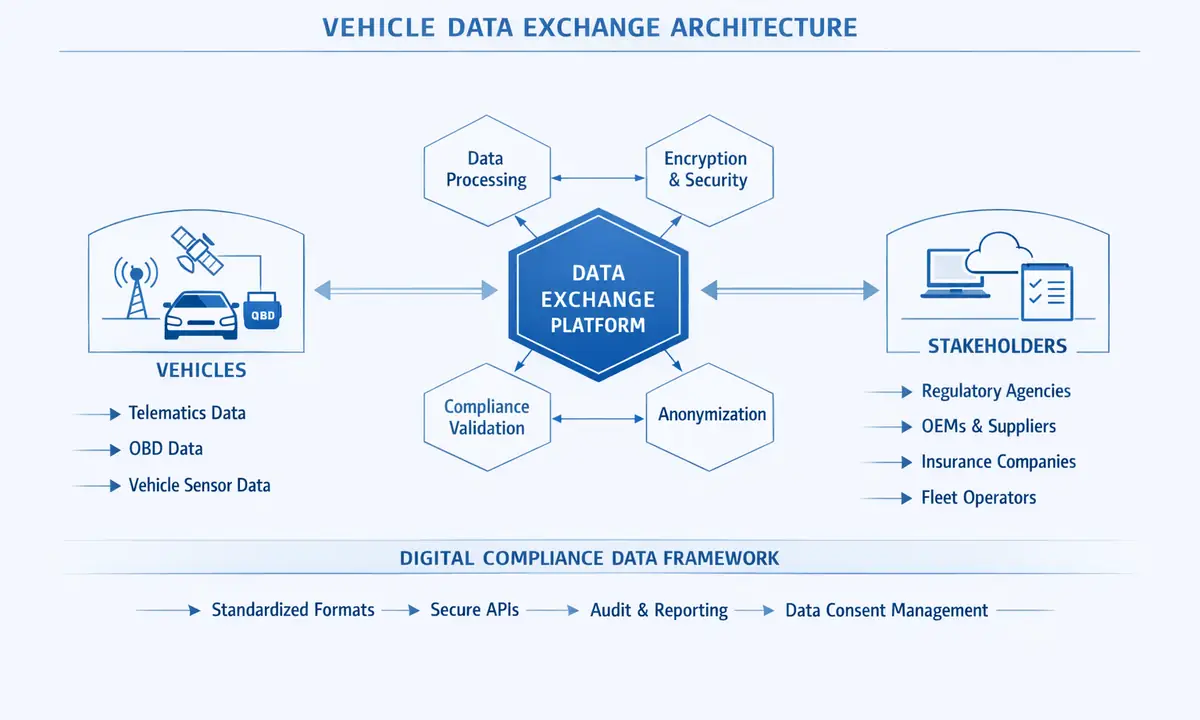
An IVI National Access Point operates as a communication interface between different systems involved in vehicle compliance processes. When vehicle conformity data is transmitted, it passes through the access point before reaching its destination system.
This architecture helps ensure that the data being exchanged follows standardized formats and validation rules required for regulatory processes.
Role in Vehicle Compliance Systems
Vehicle compliance involves several stages of regulatory verification. Authorities responsible for approving vehicle types and registering vehicles must be able to access reliable information about a vehicle’s regulatory status.
The IVI National Access Point contributes to this ecosystem by enabling structured vehicle information to be transmitted between systems that support regulatory processes.
Benefits of Using Access Points
Using standardized access points provides several benefits for digital regulatory systems.
- Improved reliability of vehicle data exchange
- Consistency in information formats
- Better interoperability between regulatory systems
- Support for automated compliance processes
These advantages help reduce administrative complexity while maintaining regulatory oversight.
IVI NAP in the Context of Digital Regulation
Automotive regulatory systems are increasingly adopting digital communication frameworks. Within these frameworks, structured vehicle information can be transmitted and processed electronically.
The IVI National Access Point is one of the components that enables these digital communication processes.
Frequently Asked Questions
What does NAP stand for?
NAP stands for National Access Point, which refers to a gateway used for exchanging structured regulatory data.
Who operates a National Access Point?
National Access Points are typically operated by organizations responsible for regulatory infrastructure or vehicle information systems.
What type of information passes through an IVI NAP?
Vehicle conformity data, regulatory references, and other structured vehicle information may be exchanged through such systems.
Why are National Access Points important?
They ensure that regulatory information can be exchanged between systems in a consistent and reliable way.
External references
No external references have been added yet.