Why Automotive Compliance Systems Require Dedicated Infrastructure
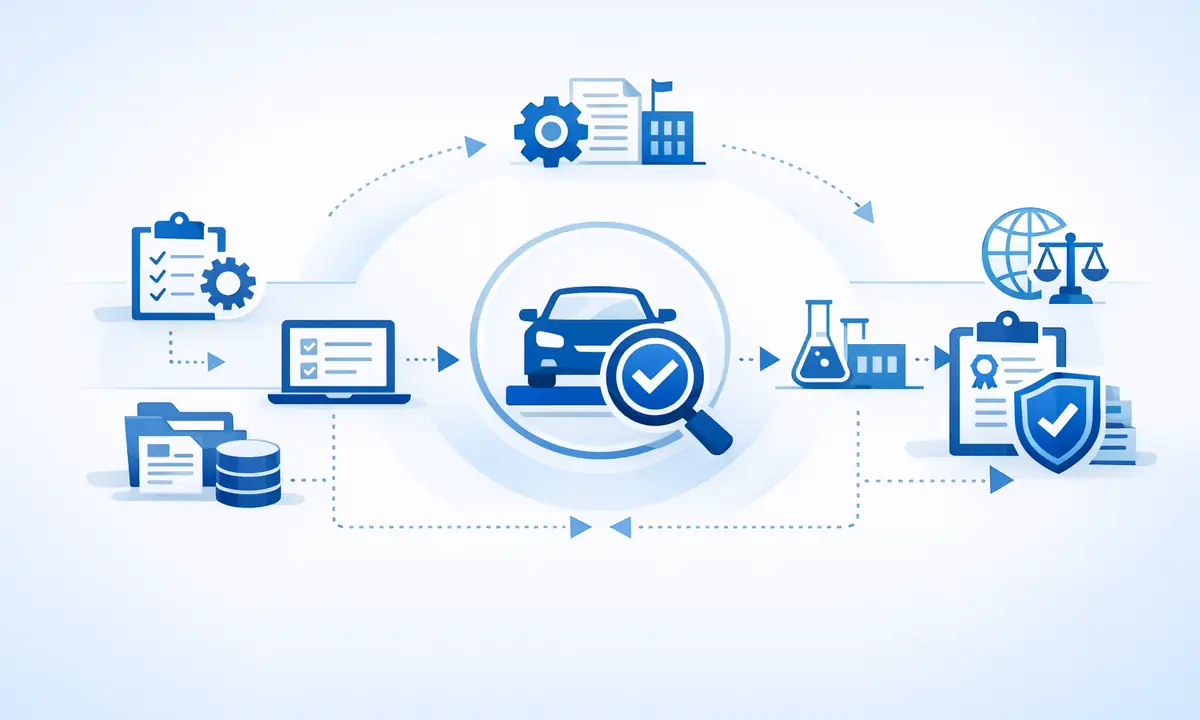
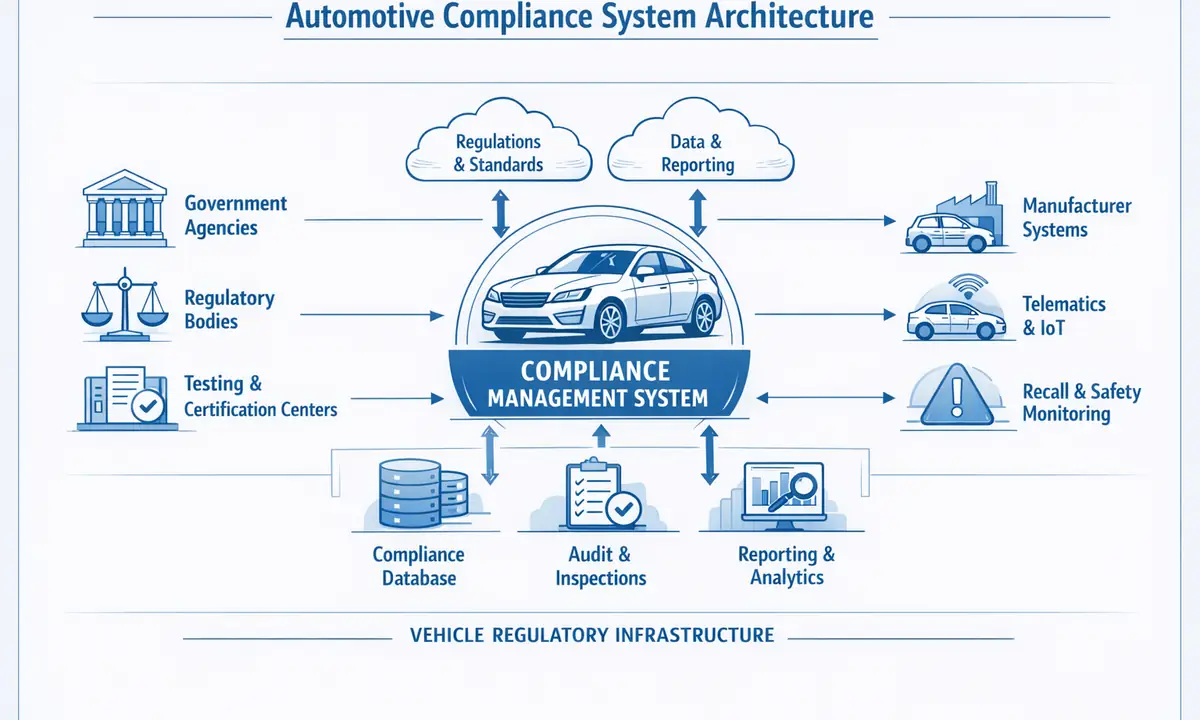
Modern automotive regulatory systems depend on structured vehicle data, regulatory documentation, and coordinated workflows that ensure vehicles comply with approval requirements. Managing this information effectively often requires dedicated infrastructure designed to support complex compliance processes.
The Growing Complexity of Automotive Regulations
Automotive regulations have evolved significantly over time as new safety standards, environmental requirements, and technological advancements have emerged. Each regulatory framework introduces additional data requirements and compliance procedures that manufacturers must follow.
This growing complexity increases the amount of regulatory information that must be managed throughout the vehicle lifecycle.
Managing Large Volumes of Vehicle Data
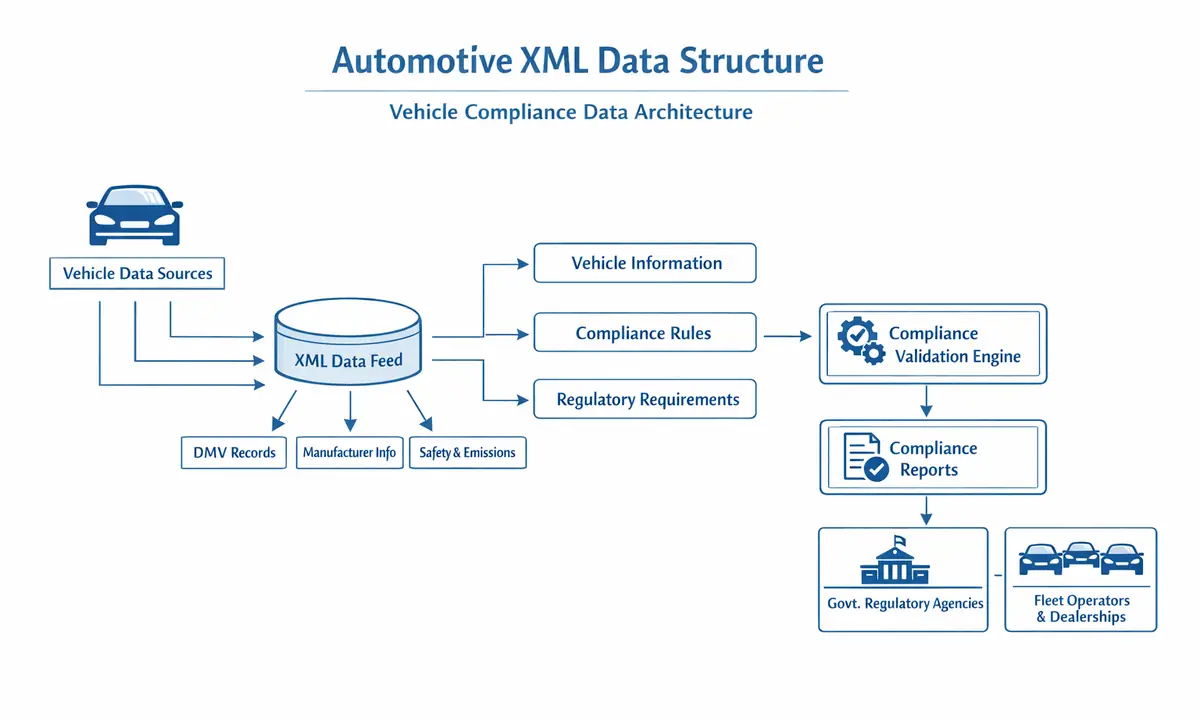
Vehicle conformity information includes numerous technical parameters describing the characteristics of the approved vehicle type. These parameters may include structural specifications, identification details, regulatory references, and technical performance indicators.
Maintaining this information accurately across regulatory processes requires reliable systems capable of managing large volumes of structured data.
Integration Between Regulatory Processes
Vehicle compliance workflows involve several regulatory processes, including vehicle approval, conformity verification, and registration procedures. Each of these processes may rely on the same underlying vehicle data.
Dedicated infrastructure helps ensure that this information can be accessed and interpreted consistently across regulatory systems.
The Importance of Reliable Data Infrastructure
Reliable data infrastructure supports the exchange and verification of vehicle conformity information. Without appropriate systems in place, organizations may encounter difficulties maintaining data consistency and regulatory alignment.
Dedicated infrastructure helps ensure that structured regulatory information can be managed effectively.
Benefits of Dedicated Compliance Systems
Organizations responsible for vehicle compliance often implement systems designed specifically to manage regulatory data and documentation.
- Improved reliability of vehicle data management
- Better coordination between compliance processes
- Reduced risk of regulatory inconsistencies
- More efficient management of technical documentation
These benefits contribute to more effective regulatory workflows and help ensure that vehicles remain compliant with applicable requirements.
The Role of Specialized Expertise
Managing automotive compliance systems requires a combination of regulatory knowledge, technical understanding, and structured data management. Organizations responsible for regulatory processes often rely on specialized expertise to ensure that compliance workflows operate correctly.
This expertise helps maintain reliable vehicle conformity data and supports effective regulatory oversight.
Frequently Asked Questions
Why do compliance systems require dedicated infrastructure?
Automotive compliance involves managing complex regulatory information that must remain consistent across multiple systems and processes.
What type of data do compliance systems manage?
Compliance systems typically manage vehicle technical specifications, regulatory approval references, and conformity documentation.
Why is structured data important in compliance systems?
Structured data allows regulatory systems to process vehicle information efficiently and maintain consistency across compliance workflows.
External references
No external references have been added yet.