Why eCoC Data Management is Difficult
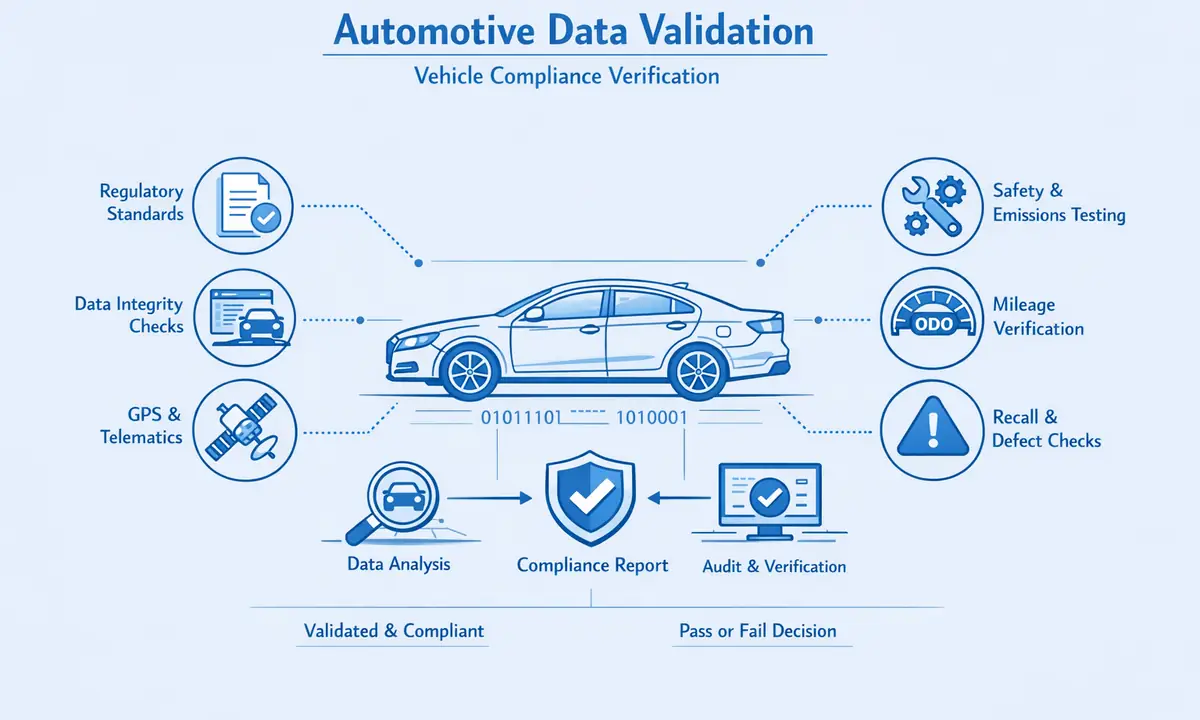
Electronic Certificates of Conformity rely on structured technical vehicle information that must remain consistent with the vehicle type approval documentation. While the concept of digital conformity data may appear straightforward, managing this information in practice can become complex for manufacturers and regulatory stakeholders.
The Nature of Vehicle Conformity Data
Vehicle conformity data describes the approved characteristics of a vehicle type. This information typically includes technical specifications, manufacturer references, and regulatory identifiers that together define the approved configuration of the vehicle.
Because these data elements are interconnected, managing them in a consistent and structured way requires careful coordination.
Large Volumes of Technical Information
Modern vehicles contain extensive technical information covering mechanical systems, environmental characteristics, safety components, and regulatory identifiers. Each of these data elements may be relevant to vehicle conformity documentation.
Ensuring that all relevant data points remain aligned with approval documentation can become a complex administrative task.
Consistency Between Approval and Production
Vehicle conformity information must accurately reflect the characteristics of the approved vehicle type. At the same time, the vehicles produced by manufacturers must remain consistent with that approval.
This means that the data describing each vehicle must correspond to the approved specifications throughout the production process.
Structured Data Requirements
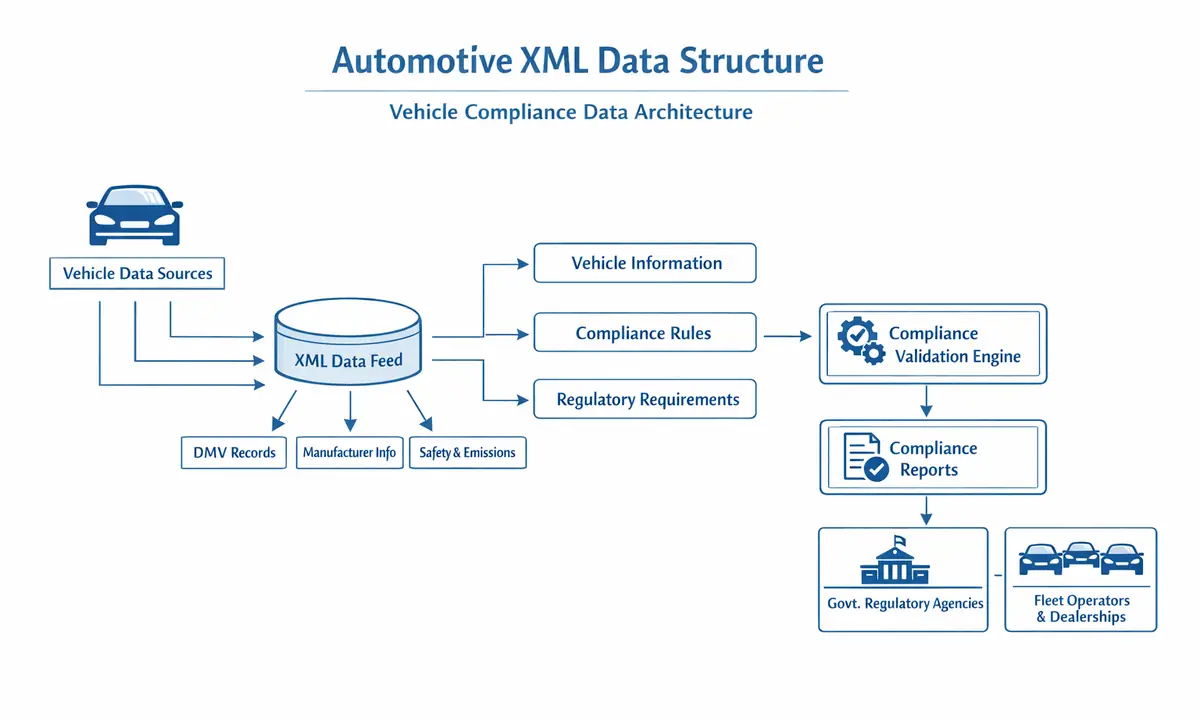
Electronic conformity systems typically require vehicle information to be represented in structured formats. These formats organize vehicle data into clearly defined categories and elements.
Managing structured data requires attention to detail because each element must be placed in the correct context within the overall data structure.
Coordination Between Multiple Stakeholders
Vehicle compliance processes often involve multiple organizations. These may include manufacturers, regulatory authorities, and registration systems operating in different countries.
Each of these stakeholders may rely on the same conformity information for different purposes. As a result, maintaining consistent vehicle data across systems becomes an important challenge.
Regulatory Complexity
Automotive regulations define numerous technical requirements that vehicles must satisfy before they can be placed on the market. These requirements influence the information that must be included in conformity data.
Understanding how these regulatory elements relate to structured vehicle information often requires specialized expertise.
The Importance of Reliable Data Management
Reliable data management helps ensure that vehicle conformity information remains accurate and consistent. When structured vehicle data is maintained correctly, regulatory verification and vehicle registration processes can operate more smoothly.
Because of the complexity involved, organizations responsible for managing conformity data often rely on specialized expertise and dedicated compliance systems.
Frequently Asked Questions
Why is eCoC data complex?
Vehicle conformity information includes many interconnected technical data elements that must remain consistent with regulatory approval specifications.
Does every vehicle require conformity data?
Vehicles produced under a type approval must be able to demonstrate conformity with the approved specifications.
Why do manufacturers use specialized compliance systems?
Managing structured regulatory data across multiple systems can become complex without dedicated tools or expertise.
External references
No external references have been added yet.