IVI 2.0 Explained (Initial Vehicle Information)
IVI 2.0 is the updated version of the Initial Vehicle Information structure used in digital compliance environments. It is designed to make vehicle data exchange more consistent across manufacturer systems, approval workflows, and authority-side processing.
When people search for "IVI 2.0 explained", they usually want to understand what changed at the system level: IVI 2.0 improves how vehicle conformity information can be represented, validated, and exchanged inside structured regulatory workflows.
What this page covers
- What IVI 2.0 represents
- How the structure supports compliance exchange
- Why IVI 2.0 matters in modern vehicle data systems
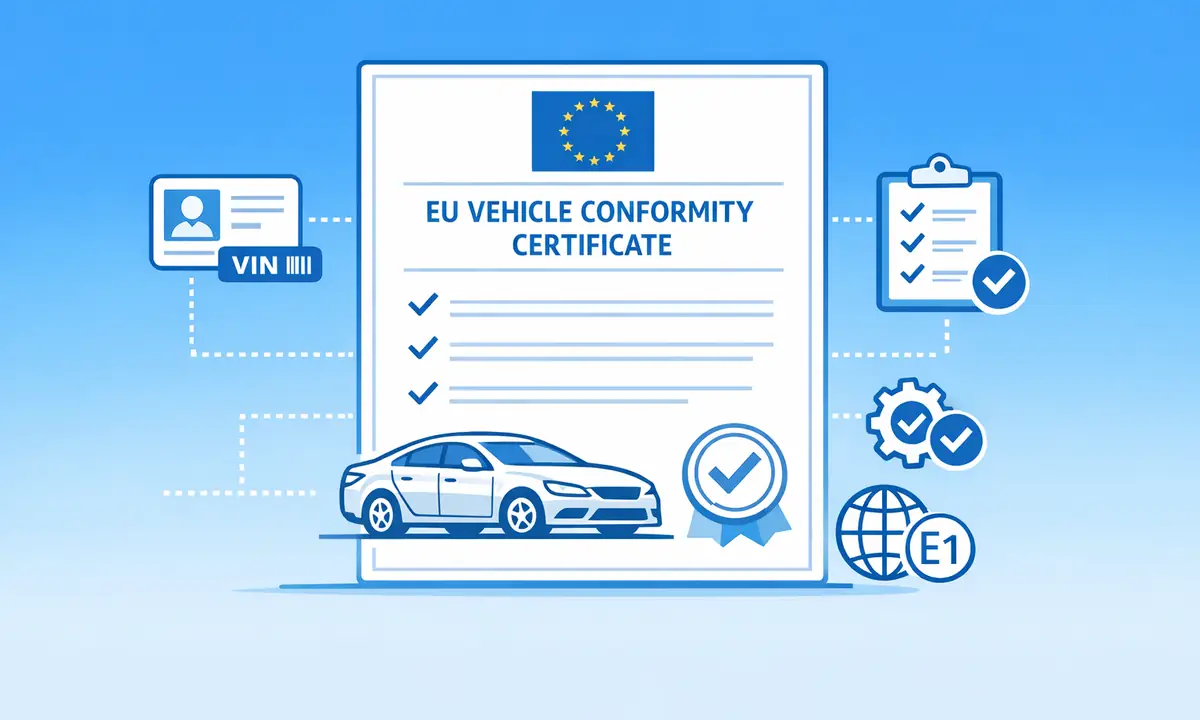
IVI 2.0 is an updated version of the Initial Vehicle Information data format used to represent vehicle conformity information in structured digital form. It plays an important role in modern vehicle compliance systems by enabling standardized digital exchange of vehicle data between manufacturers and regulatory authorities.
Introduction to IVI 2.0
As regulatory systems evolve toward digital data exchange, the need for consistent and structured vehicle information formats becomes increasingly important. IVI 2.0 represents a refinement of earlier data structures used to represent vehicle conformity information.
The goal of IVI 2.0 is to provide a standardized structure that allows vehicle information to be shared electronically across regulatory systems.
What IVI 2.0 Represents
IVI 2.0 is not a document but a structured dataset that represents the regulatory characteristics of a vehicle. Instead of relying on static documents, compliance systems can process machine-readable data.
This approach allows vehicle data to be validated, transmitted, and interpreted more efficiently across digital systems.
Why IVI 2.0 Was Introduced
The complexity of modern vehicle regulation requires accurate data exchange between multiple systems. Earlier approaches based on manual documentation were not designed for automated regulatory workflows.
IVI 2.0 helps address this challenge by providing a consistent structure for vehicle conformity data.
Structure of IVI 2.0 Data
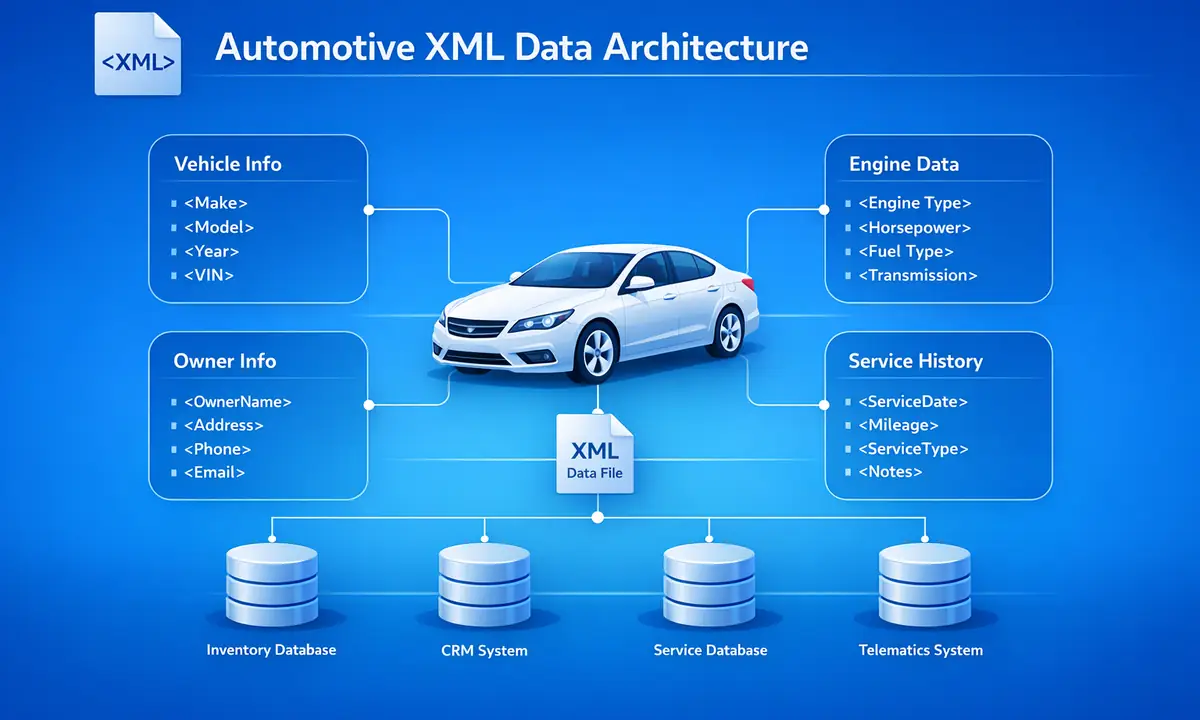
IVI 2.0 represents vehicle information through structured data elements. These elements collectively describe the technical characteristics and regulatory identity of a vehicle.
- Vehicle identification information
- Manufacturer and production details
- Vehicle category classification
- Technical specifications
- Type approval references
- Environmental characteristics
The structure ensures that different regulatory systems interpret vehicle data consistently.
Advantages of Structured Vehicle Data
Structured data formats like IVI 2.0 offer several advantages compared to traditional documentation methods.
- Improved consistency in vehicle information
- Reduced administrative complexity
- Faster processing of compliance data
- Better interoperability between regulatory systems
These benefits make structured data formats essential for modern vehicle compliance infrastructure.
IVI 2.0 and Digital Compliance Systems
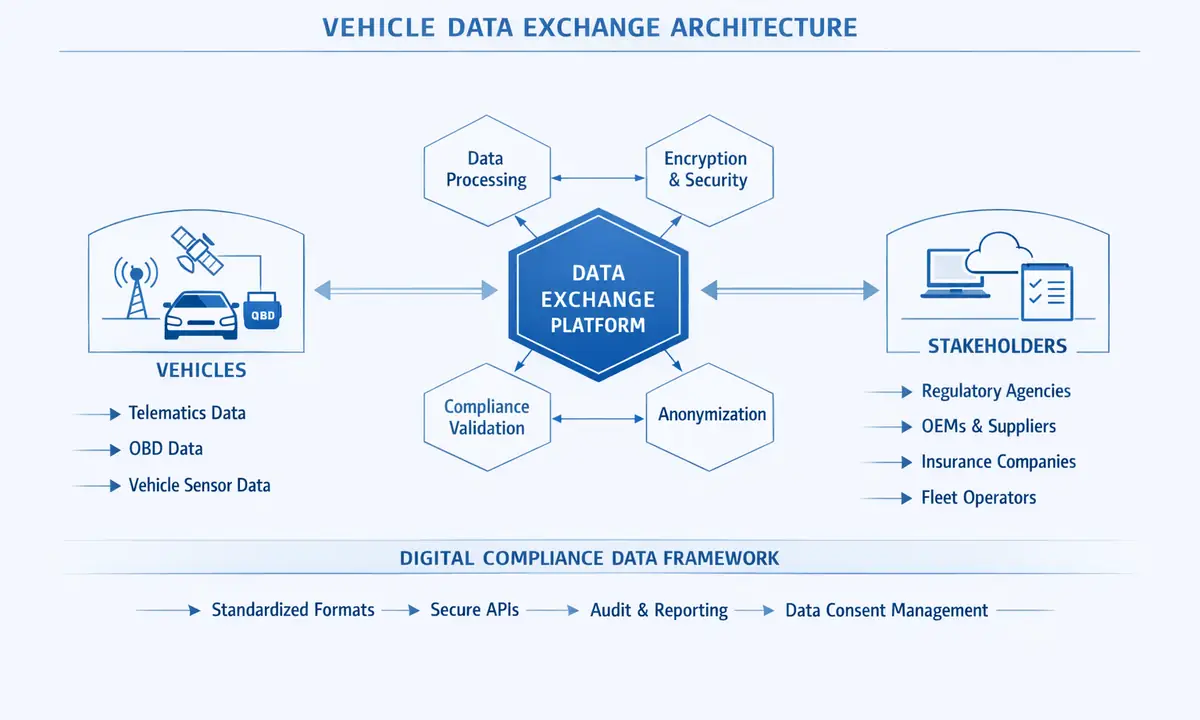
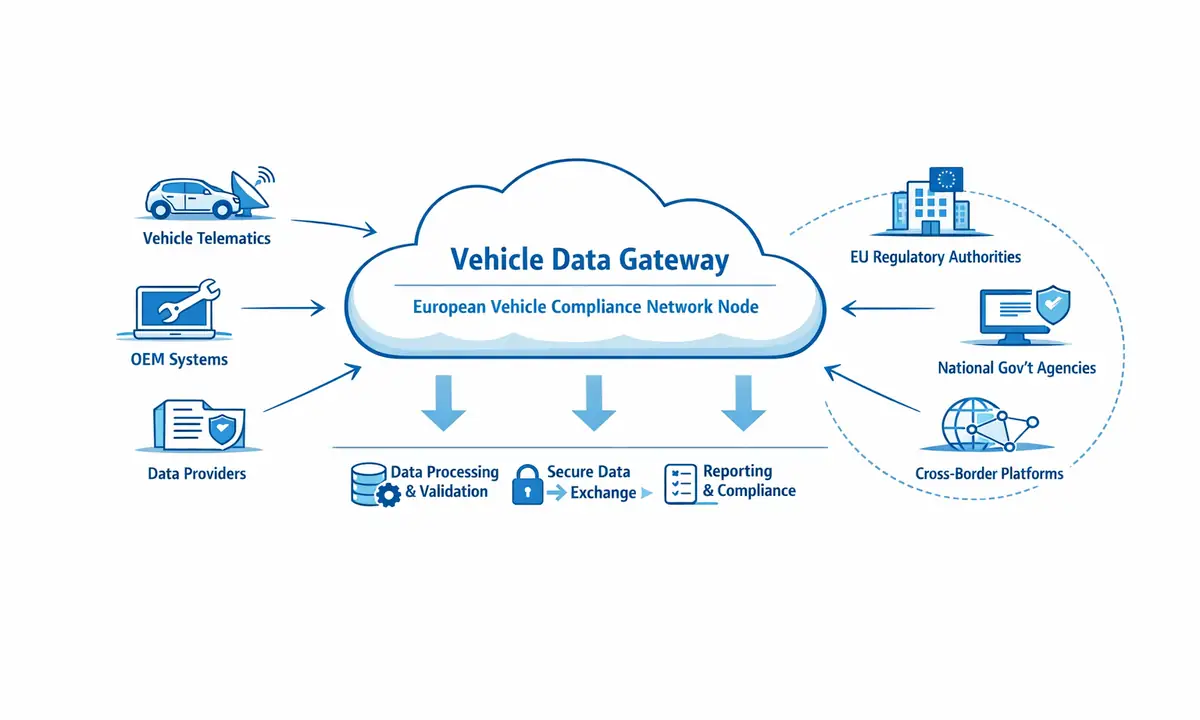
IVI 2.0 supports the broader transition toward digital regulatory processes in the automotive sector. By enabling standardized vehicle data exchange, it allows authorities and manufacturers to interact through automated systems rather than manual documentation.
This shift toward digital processes improves efficiency while maintaining regulatory oversight.
IVI 2.0 vs earlier structured approaches
Earlier approaches to conformity information often depended on looser document handling and less standardized data exchange. IVI 2.0 supports a more consistent, system-ready representation of vehicle information.
That makes IVI 2.0 more useful where multiple systems need to interpret the same vehicle characteristics in the same regulatory context.
Frequently Asked Questions
What does IVI 2.0 stand for?
IVI stands for Initial Vehicle Information, while IVI 2.0 represents the updated version of the structured data format.
Why is IVI 2.0 important?
It enables standardized digital exchange of vehicle conformity data across regulatory systems.
Who uses IVI 2.0?
Vehicle manufacturers, approval authorities, and vehicle registration systems may use structured vehicle data formats such as IVI.
What kind of information does IVI 2.0 contain?
IVI 2.0 typically contains vehicle identification data, manufacturer details, technical specifications, and regulatory references related to vehicle approval.
How teams should approach an IVI 2.0 transition
A transition should begin with a field and rule comparison, not with a blind conversion of the previous output. Teams need to identify added, removed, renamed, repeated, or redefined elements; determine which source system owns each new value; and confirm whether a code, unit, or conditional requirement has changed. Test data should cover more than the easiest vehicle configuration.
The migration plan should include representative categories and powertrains, boundary values, optional and conditional fields, correction scenarios, and negative cases that are expected to fail. A successful example file is useful, but it cannot demonstrate coverage of every rule that matters to the production fleet.
Version control in production
Store the IVI specification version, code-list version, mapping version, validation result, and target environment with the released record. If an authority changes its accepted version or rule set, the affected messages can then be identified and revalidated. Without that traceability, teams may know that an old file passed but be unable to explain which rules produced the result.
Release planning for mixed versions
During a transition, production and test environments may not accept the same IVI version at the same time. Teams should define which version applies to each route, prevent an unsupported format from being released, and keep rollback or correction handling explicit. That control is safer than treating the newest generated file as universally valid.
Official and technical references
These sources support the regulatory and technical statements in this guide. Always check the current consolidated text and the instructions of the authority responsible for your submission route.