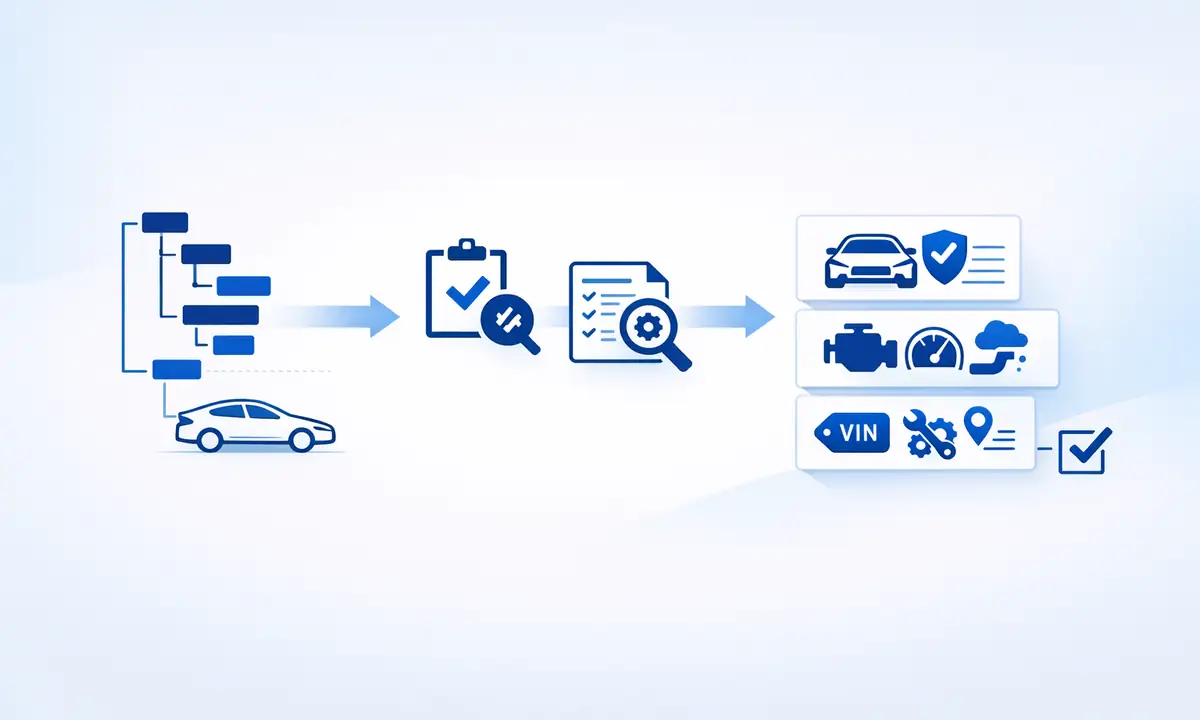

Why Structured Vehicle Data Requires Specialized Compliance Systems
Modern automotive regulatory frameworks increasingly rely on structured vehicle data to represent conformity information. While this approach allows regulatory systems to exchange information efficiently, managing structured vehicle data can present practical challenges for organizations involved in vehicle compliance.
The Shift Toward Structured Vehicle Data
Historically, many regulatory processes relied on documents and manual verification procedures. As vehicle technology and regulatory requirements have evolved, authorities have begun adopting structured digital data formats to represent vehicle conformity information.
This shift allows vehicle information to be processed automatically by regulatory systems while maintaining consistency across different stakeholders.
Complexity of Regulatory Vehicle Information
Vehicle conformity data includes numerous technical attributes describing the approved configuration of a vehicle. These attributes may include identification details, technical specifications, environmental characteristics, and regulatory references.
Because these elements are interconnected, managing them accurately requires careful coordination.
Multiple Regulatory Stakeholders
Vehicle compliance processes often involve several organizations. These may include manufacturers, approval authorities, and vehicle registration systems operating in different jurisdictions.
Each of these stakeholders relies on accurate conformity information to perform their regulatory responsibilities.
Challenges of Data Consistency
Structured vehicle datasets must remain consistent with the underlying approval documentation. Even small inconsistencies between data elements may create challenges during regulatory verification processes.
Ensuring that structured data remains aligned with regulatory documentation can therefore require careful data governance.
Managing Interconnected Data Structures
Structured vehicle data often follows hierarchical formats that describe relationships between multiple technical parameters. These structures help organize vehicle information but also introduce additional complexity when the data must be maintained across systems.
Maintaining consistency across these interconnected elements can become difficult when multiple data sources contribute to the dataset.
The Role of Specialized Compliance Systems
Because of the complexity involved in managing structured regulatory information, organizations often rely on specialized compliance workflows or systems designed to manage vehicle conformity data.
These systems help ensure that technical data remains aligned with regulatory documentation and that information can be exchanged reliably between stakeholders.
Frequently Asked Questions
Why is vehicle conformity data complex?
Vehicle conformity data contains many technical attributes that must remain consistent with regulatory approval documentation.
What makes structured vehicle data difficult to manage?
Structured datasets often contain interconnected elements that must remain aligned with regulatory frameworks and approval specifications.
Why do organizations use specialized compliance tools?
Specialized tools and workflows help manage the complexity of structured regulatory information and ensure that vehicle data remains consistent.
External references
No external references have been added yet.