Why Vehicle Compliance Workflows Need Structured Processes
Vehicle compliance processes involve managing technical vehicle information, regulatory documentation, and structured data used in approval and registration procedures. Because these processes require coordination between multiple stakeholders, structured workflows play an important role in ensuring reliable regulatory outcomes.
The Nature of Compliance Workflows
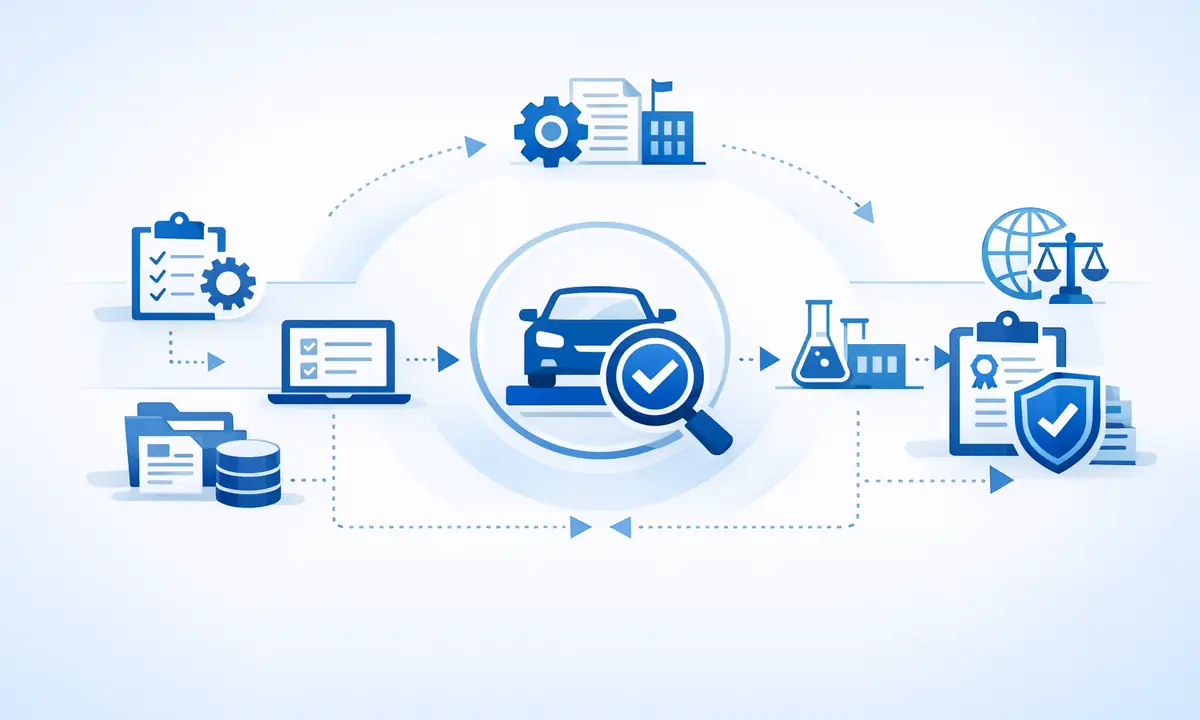
Compliance workflows describe the processes used to manage vehicle regulatory information throughout the lifecycle of a vehicle. These workflows may involve engineering teams, regulatory specialists, approval authorities, and administrative systems.
Each participant contributes information that must remain consistent with the regulatory framework governing the vehicle.
Managing Regulatory Documentation
Vehicle compliance often requires extensive documentation describing the characteristics of the approved vehicle type. This documentation must remain aligned with the technical data used in regulatory systems.
Structured workflows help ensure that documentation and regulatory data remain consistent.
Coordinating Multiple Stakeholders
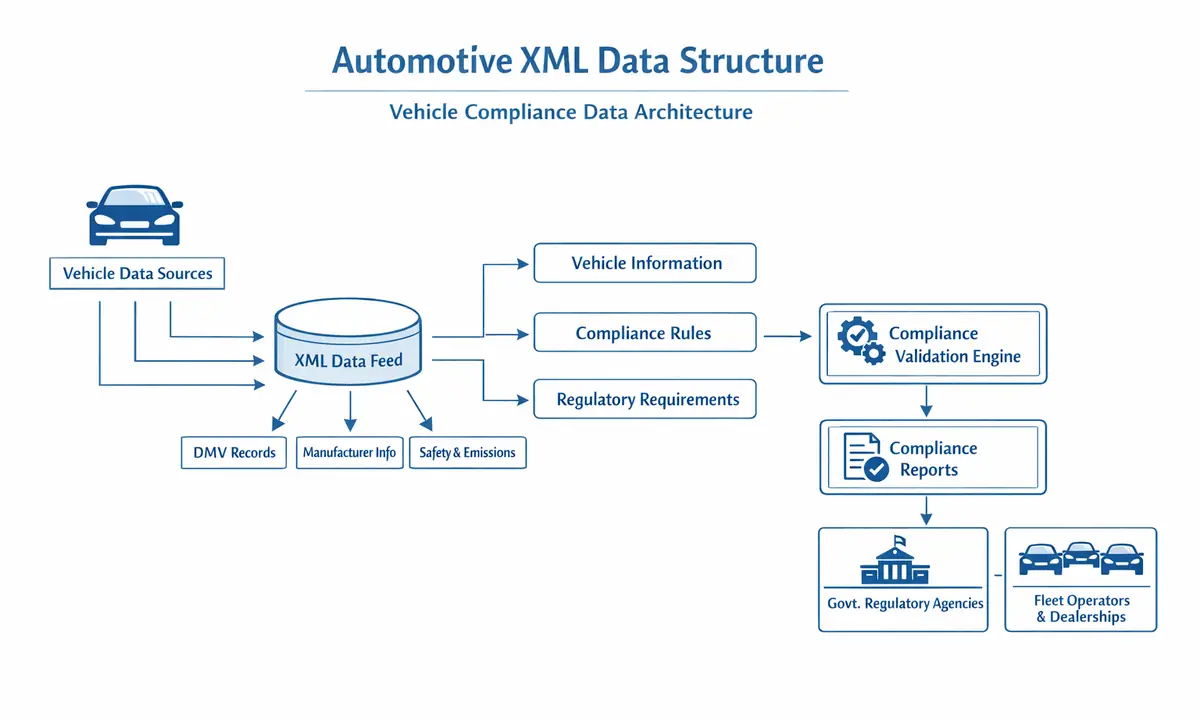
Vehicle compliance processes rarely involve a single organization. Manufacturers, regulatory authorities, and registration systems may all rely on the same regulatory information when verifying vehicle characteristics.
Structured processes help coordinate the interaction between these stakeholders.
Ensuring Data Consistency
Structured workflows help ensure that vehicle conformity data remains accurate throughout regulatory processes. When technical information flows through multiple systems, maintaining consistency becomes a critical task.
Carefully designed workflows can reduce the risk of inconsistencies or misinterpretation of regulatory data.
Benefits of Structured Compliance Workflows
Organizations responsible for vehicle compliance often implement structured workflows to manage regulatory information more effectively.
- Improved consistency in vehicle data
- More reliable regulatory verification
- Clear responsibilities across teams
- Reduced administrative complexity
These benefits contribute to more reliable compliance processes across the automotive regulatory ecosystem.
The Role of Expertise in Compliance Management
Managing regulatory workflows requires familiarity with both technical vehicle data and regulatory frameworks. Organizations responsible for compliance processes often rely on specialized expertise to manage these workflows effectively.
This expertise helps ensure that vehicle conformity data remains aligned with regulatory requirements.
Frequently Asked Questions
What is a compliance workflow?
A compliance workflow is a structured process used to manage regulatory information related to vehicle approval and conformity verification.
Why are structured processes important?
Structured processes help ensure that regulatory data remains accurate and consistent across compliance systems.
Who manages compliance workflows?
Manufacturers, regulatory specialists, and approval authorities may all participate in managing compliance workflows.
External references
No external references have been added yet.