
Why Vehicle Conformity Verification Requires Reliable Data
Vehicle conformity verification is a fundamental part of automotive regulatory systems. Authorities must confirm that vehicles correspond to approved specifications before they are registered or placed on the road. Reliable regulatory data plays a critical role in enabling this verification process.
The Purpose of Conformity Verification
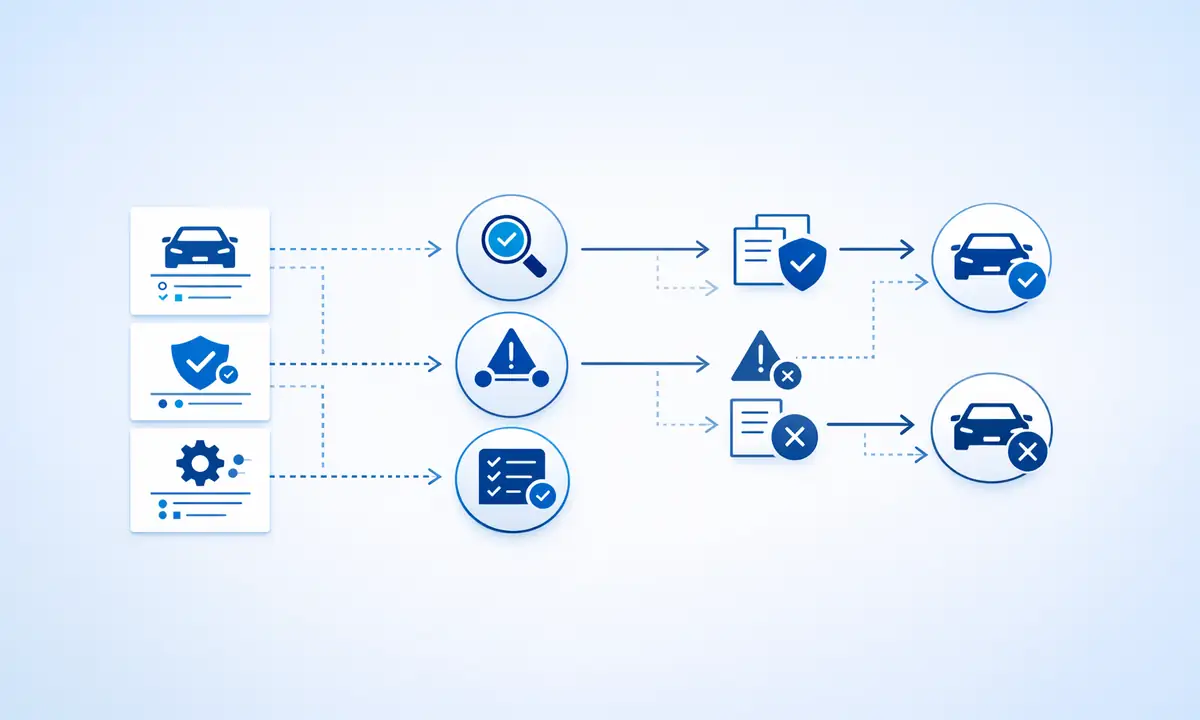
Conformity verification ensures that vehicles produced by manufacturers match the characteristics defined during the vehicle type approval process. This verification helps maintain safety, environmental compliance, and regulatory consistency across the automotive market.
Accurate vehicle information is therefore essential for confirming compliance with regulatory frameworks.
Role of Regulatory Data
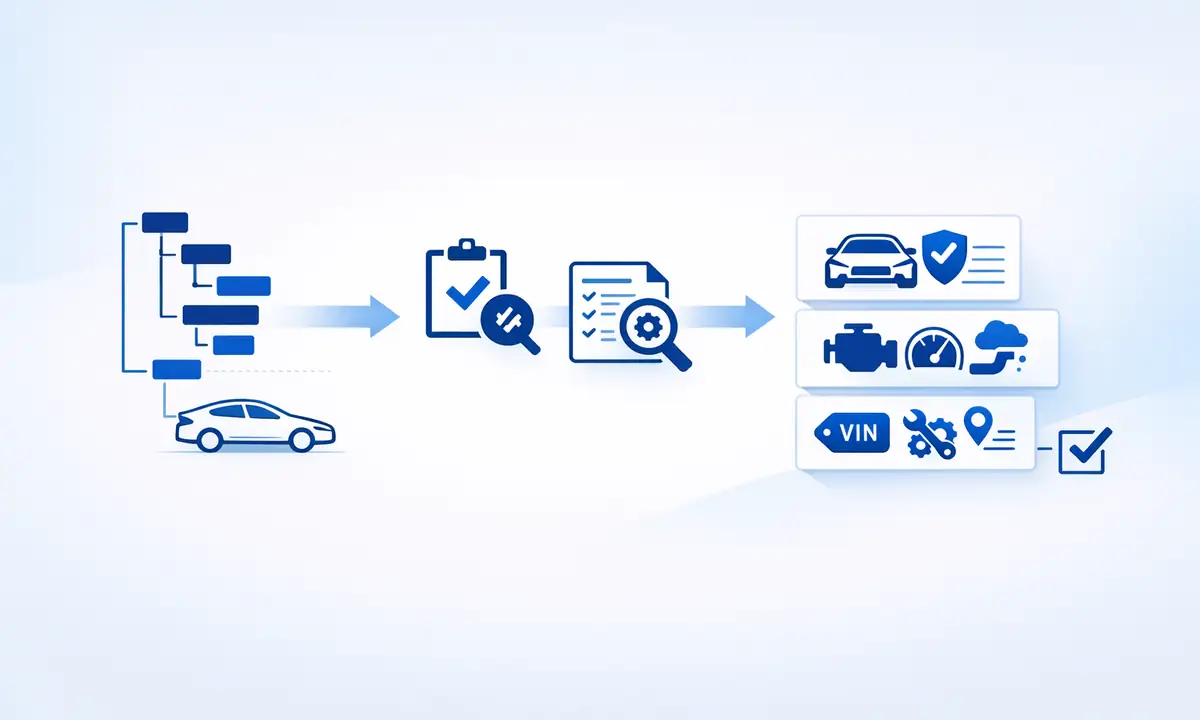
Vehicle conformity verification relies on technical and regulatory data describing the approved characteristics of a vehicle. This information may include vehicle identification details, technical specifications, and regulatory approval references.
Authorities rely on this data to determine whether a vehicle corresponds to its approved type.
Challenges in Maintaining Data Accuracy
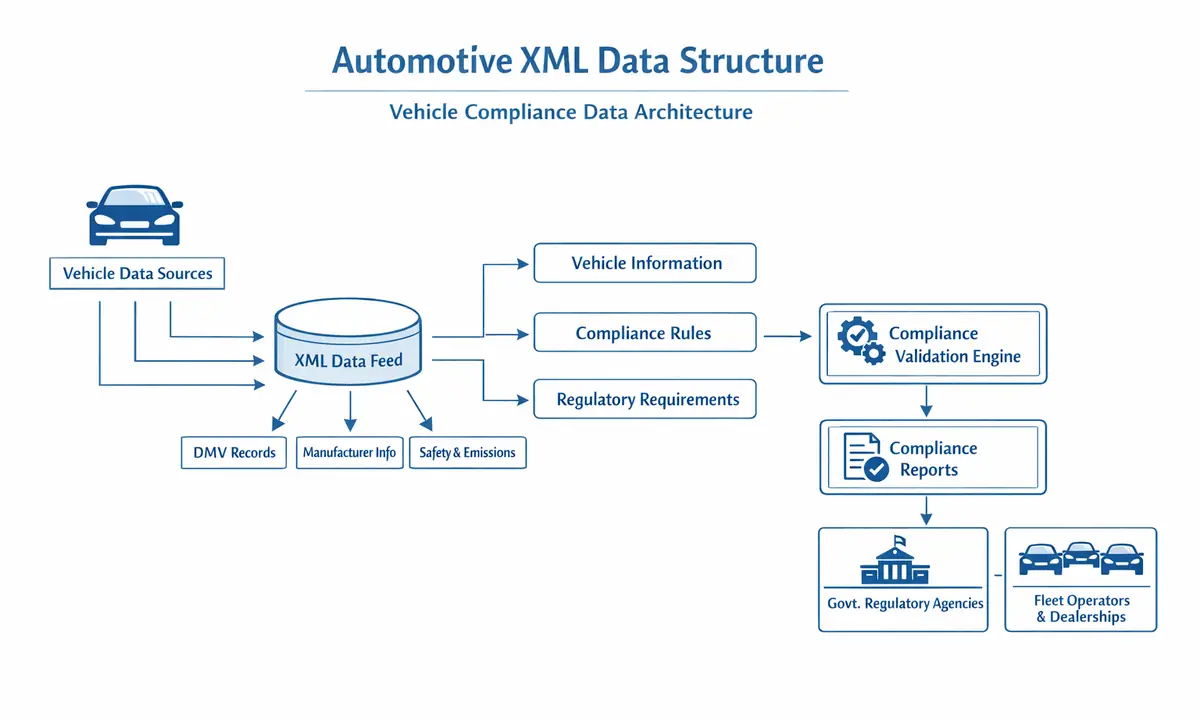
Vehicle conformity data may originate from multiple sources, including engineering documentation, approval records, and production information. Ensuring that this data remains consistent across regulatory processes requires careful management.
When discrepancies appear in regulatory data, additional verification procedures may be required.
Structured Data in Compliance Systems
Many modern compliance systems rely on structured digital datasets to represent vehicle conformity information. Structured data formats allow regulatory systems to process vehicle information automatically.
However, maintaining the accuracy of these structured datasets requires careful governance and expertise.
Importance of Consistent Data Governance
Organizations responsible for managing regulatory data must ensure that vehicle information remains consistent across compliance workflows. This involves maintaining clear processes for managing technical documentation and structured data.
Reliable data governance helps support accurate regulatory verification and vehicle registration procedures.
Benefits of Reliable Conformity Data
When vehicle conformity data is accurate and consistent, regulatory verification becomes more efficient and reliable.
- Faster compliance verification processes
- Reduced risk of regulatory inconsistencies
- Improved reliability of vehicle registration procedures
- Greater confidence in regulatory data accuracy
These benefits highlight the importance of maintaining reliable vehicle conformity information.
Frequently Asked Questions
Why is reliable regulatory data important?
Authorities rely on regulatory data to verify that vehicles meet approved specifications.
What happens when vehicle data is inaccurate?
Inaccurate data may complicate regulatory verification and require additional review.
How can organizations maintain reliable conformity data?
Maintaining structured workflows and careful regulatory data management helps ensure consistency.
External references
No external references have been added yet.