
Why Vehicle Data Exchange Requires Standardized Formats
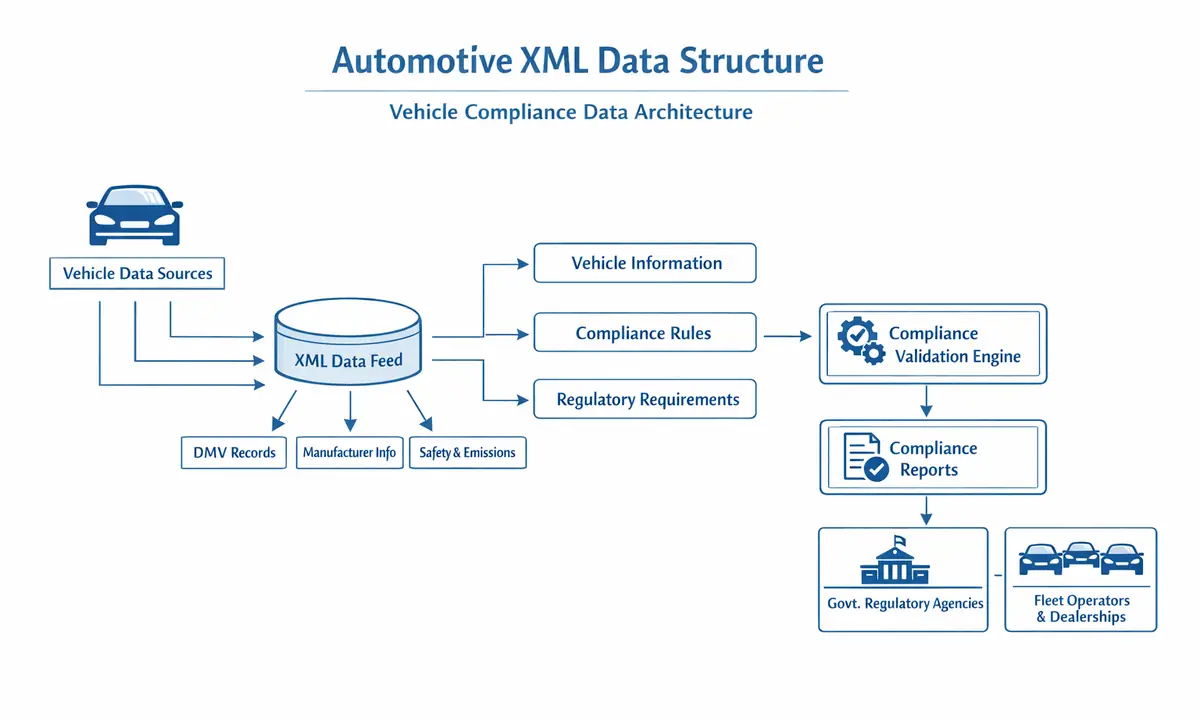
Modern automotive regulatory systems depend on the ability to exchange vehicle information reliably between multiple stakeholders. These stakeholders may include manufacturers, approval authorities, regulatory bodies, and vehicle registration organizations. To support this exchange, vehicle information must be represented using standardized data formats.
The Need for Reliable Data Exchange
Vehicle regulatory information is used across different systems and administrative processes. For example, the same vehicle data may be referenced during type approval, regulatory verification, and vehicle registration.
In order for these processes to function effectively, the underlying information must be interpreted consistently across all systems involved.
Challenges Without Standardized Data
When vehicle information is represented in different formats or documentation styles, inconsistencies can arise. These inconsistencies may create difficulties when authorities attempt to verify vehicle characteristics or regulatory compliance.
Without standardized formats, organizations may need to interpret data manually, which can introduce delays or ambiguity in regulatory processes.
Benefits of Structured Data Formats
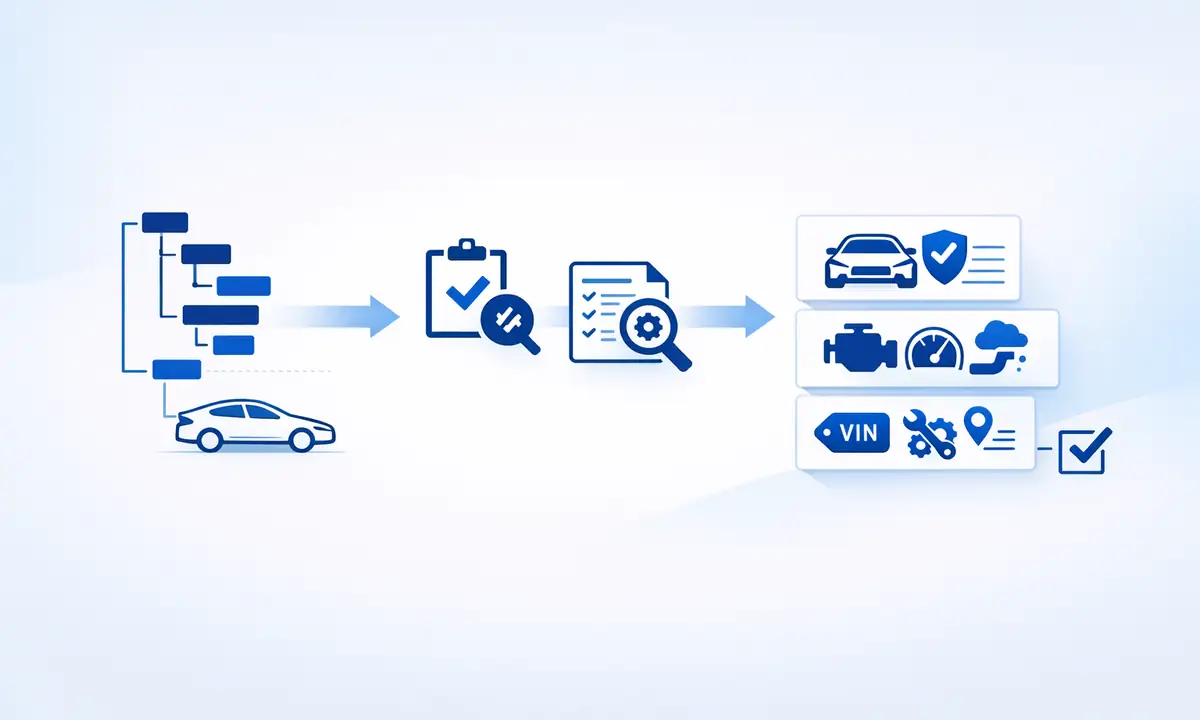
Standardized data formats allow vehicle information to be organized in structured datasets that follow predefined rules. These structures make it easier for systems to interpret the data consistently.
Structured formats provide several benefits:
- Consistent interpretation of vehicle information
- Improved reliability of regulatory verification processes
- Efficient data exchange between systems
- Reduced risk of administrative errors
Interoperability Between Systems
Vehicle compliance processes often involve multiple information systems operating in different organizations or countries. For these systems to interact successfully, they must rely on common data structures.
Standardized formats make it possible for systems to exchange data without requiring manual reinterpretation of vehicle information.
Regulatory Frameworks and Data Standards
Automotive regulatory frameworks increasingly define how vehicle data should be structured and exchanged. These standards help ensure that regulatory information can be shared efficiently between stakeholders.
As the automotive regulatory ecosystem continues to evolve, standardized data formats will remain an essential component of digital compliance systems.
The Importance of Data Governance
Maintaining reliable vehicle datasets requires clear governance processes that ensure information remains consistent across regulatory workflows. Organizations responsible for regulatory data management often rely on specialized expertise to maintain these datasets.
Reliable data governance helps ensure that standardized vehicle information remains aligned with regulatory expectations.
Frequently Asked Questions
Why are standardized formats necessary for vehicle data?
Standardized formats allow different systems to interpret vehicle information consistently.
What happens when vehicle data formats differ?
Different formats can introduce inconsistencies that complicate regulatory verification processes.
Who defines vehicle data standards?
Regulatory frameworks and technical standards often define how vehicle information should be structured and exchanged.
External references
No external references have been added yet.