
Why Vehicle Conformity Data Must Be Consistent
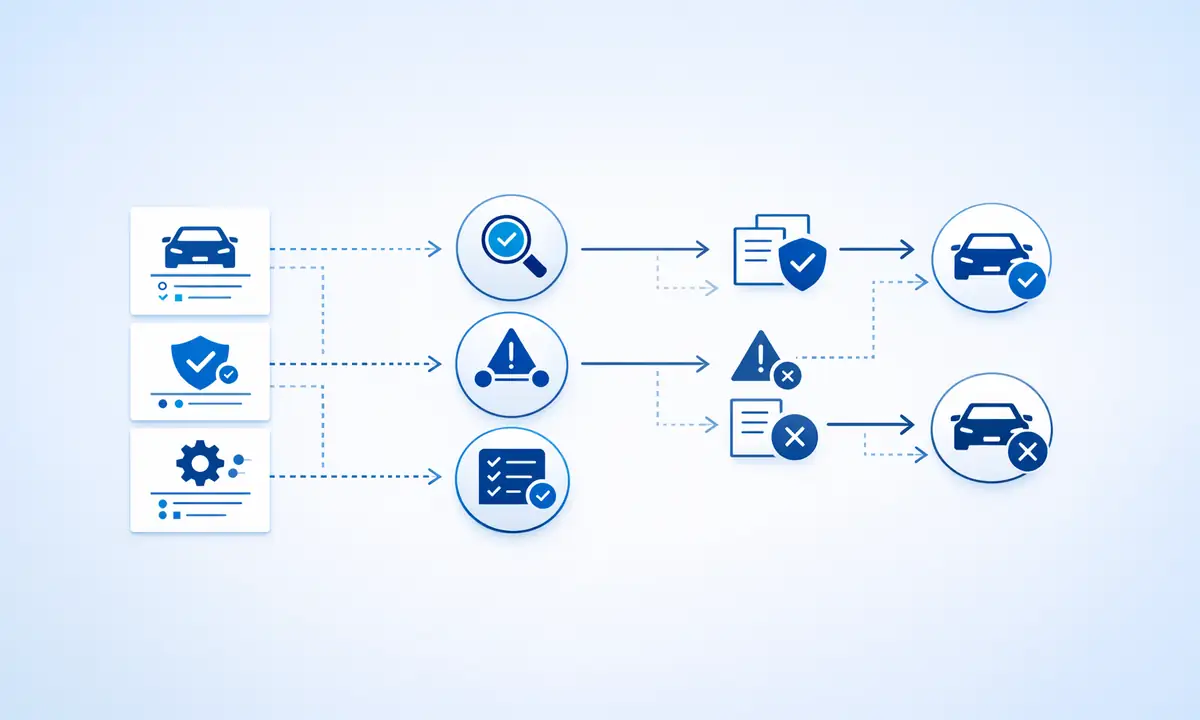
Vehicle conformity data plays a central role in modern automotive regulatory systems. This information confirms that a vehicle corresponds to an approved vehicle type and satisfies the regulatory framework under which it was approved. Maintaining consistency within this data is essential for ensuring reliable regulatory processes.
The Role of Conformity Data
Conformity data describes the technical and regulatory characteristics of a vehicle. This information allows regulatory authorities to confirm that a vehicle matches the approved design specifications defined during the type approval process.
Because this information is used in multiple stages of regulatory verification, its accuracy and consistency are critical.
Interconnected Technical Information
Vehicle conformity data often contains numerous technical attributes that describe different aspects of the vehicle. These attributes may include vehicle identification information, manufacturer references, technical specifications, and regulatory identifiers.
Each of these elements contributes to a complete description of the vehicle’s approved configuration.
Challenges of Maintaining Consistency
In modern compliance systems, vehicle data may be generated or processed by multiple stakeholders. These may include engineering teams, regulatory specialists, and information systems responsible for structured data exchange.
Ensuring that all stakeholders work with the same consistent dataset can become challenging when multiple data sources are involved.
Impact of Inconsistent Data
When conformity data becomes inconsistent, regulatory verification processes may encounter complications. Inconsistent data may require additional checks or clarification before authorities can confirm that a vehicle corresponds to its approved specifications.
This highlights the importance of maintaining reliable and well-governed vehicle conformity datasets.
Importance of Structured Data Governance
Structured data governance helps ensure that vehicle conformity information remains accurate and consistent across regulatory processes. Organizations responsible for managing regulatory vehicle information often rely on controlled workflows and specialized expertise to maintain data quality.
These processes help ensure that structured vehicle data remains aligned with approval documentation and regulatory expectations.
Frequently Asked Questions
Why is vehicle conformity data important?
Conformity data confirms that a vehicle matches the approved specifications defined during the vehicle type approval process.
What happens if conformity data becomes inconsistent?
Inconsistent data may complicate regulatory verification processes and require additional review.
How can organizations maintain consistent vehicle data?
Maintaining structured workflows and careful data governance helps ensure that vehicle conformity information remains reliable.
External references
No external references have been added yet.