What is a Multistage Vehicle
A multistage vehicle is a vehicle that is manufactured through multiple production stages by different manufacturers. Instead of being completed by a single manufacturer, the vehicle is built progressively, with each stage adding specific components or modifications before the vehicle reaches its final configuration.
Introduction to Multistage Vehicle Production
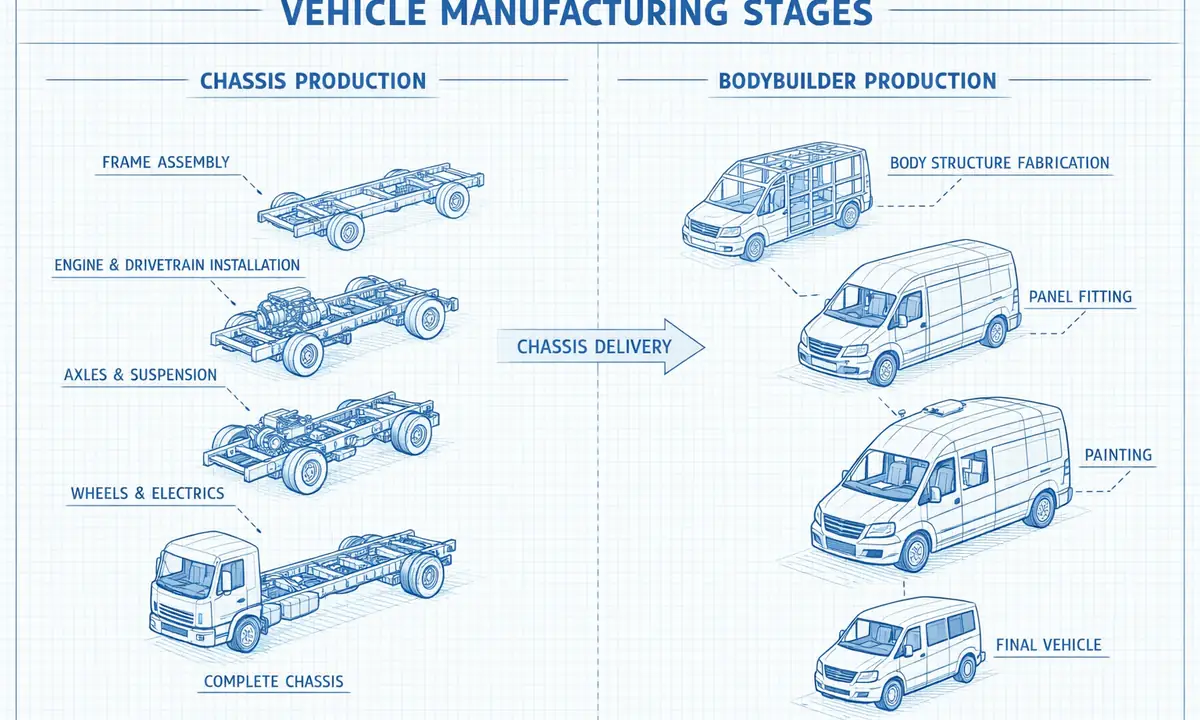
In the automotive industry, some vehicles require specialized configurations that are not produced entirely by the original manufacturer. For example, a manufacturer may produce a chassis and cab, while another company completes the vehicle by adding specialized equipment such as cargo bodies, emergency systems, or recreational vehicle structures.
This multi-step manufacturing process is known as multistage production.
How Multistage Manufacturing Works
The multistage manufacturing process involves multiple entities participating in the production of a single vehicle. Each manufacturer is responsible for the stage they perform and for ensuring that their modifications comply with applicable regulations.
The typical sequence involves:
- A base vehicle manufacturer producing the incomplete vehicle
- A second-stage manufacturer completing or modifying the vehicle
- Additional stages where further modifications may be performed
Each stage contributes to the final vehicle configuration.
Types of Multistage Vehicles
Multistage production is commonly used for vehicles that require specialized equipment or structural modifications. These vehicles are often used in professional or commercial contexts.
- Box trucks and cargo transport vehicles
- Recreational vehicles and motorhomes
- Emergency vehicles such as ambulances
- Utility vehicles with specialized equipment
Because these vehicles require customization, multiple manufacturers participate in the production process.
Responsibilities of Stage Manufacturers
Each manufacturer involved in the production of a multistage vehicle must ensure that their modifications comply with regulatory requirements. The responsibilities depend on the stage in which the manufacturer participates.
The manufacturer performing a later stage must consider the characteristics of the base vehicle and ensure that the completed vehicle continues to meet regulatory requirements.
Multistage Vehicles and Regulatory Compliance
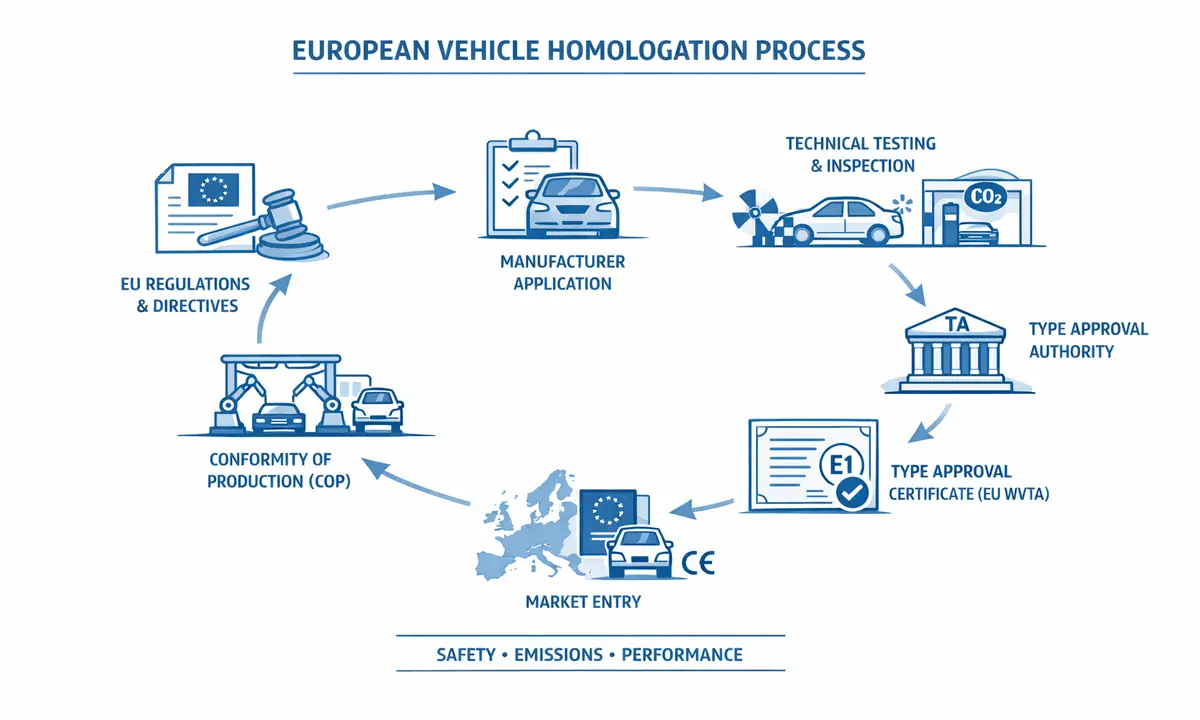
Multistage vehicles must still comply with the same regulatory frameworks that apply to vehicles produced in a single manufacturing stage. Regulatory systems therefore include specific provisions addressing vehicles produced in multiple stages.
These provisions ensure that responsibilities are clearly defined between the different manufacturers involved in the process.
Advantages of Multistage Manufacturing
The multistage approach allows vehicles to be customized for specialized applications while still operating within a regulated approval framework.
- Allows specialized vehicle configurations
- Enables collaboration between manufacturers
- Supports industry specialization
- Provides flexibility for commercial vehicle design
This flexibility makes multistage production particularly important for industries requiring specialized vehicle equipment.
Frequently Asked Questions
What is an incomplete vehicle?
An incomplete vehicle is a vehicle that is designed to undergo additional stages of manufacturing before it becomes a finished vehicle.
Who completes a multistage vehicle?
A second-stage manufacturer or body builder typically completes the vehicle by adding specialized structures or equipment.
Why are multistage vehicles common in commercial transport?
Commercial vehicles often require specialized bodies or equipment that are installed by manufacturers specializing in those modifications.
Can a vehicle have more than two manufacturing stages?
Yes. Some vehicles undergo multiple production stages before reaching their final configuration.
What changes from one manufacturing stage to the next
Each stage inherits a real vehicle and a set of approved constraints from the previous manufacturer. The next manufacturer may add a body, equipment, seating, electrical systems, axles, or another function that changes the completed configuration. Those changes have to be assessed against the approval route that applies at that stage; they cannot be treated as an administrative update to the base vehicle record.
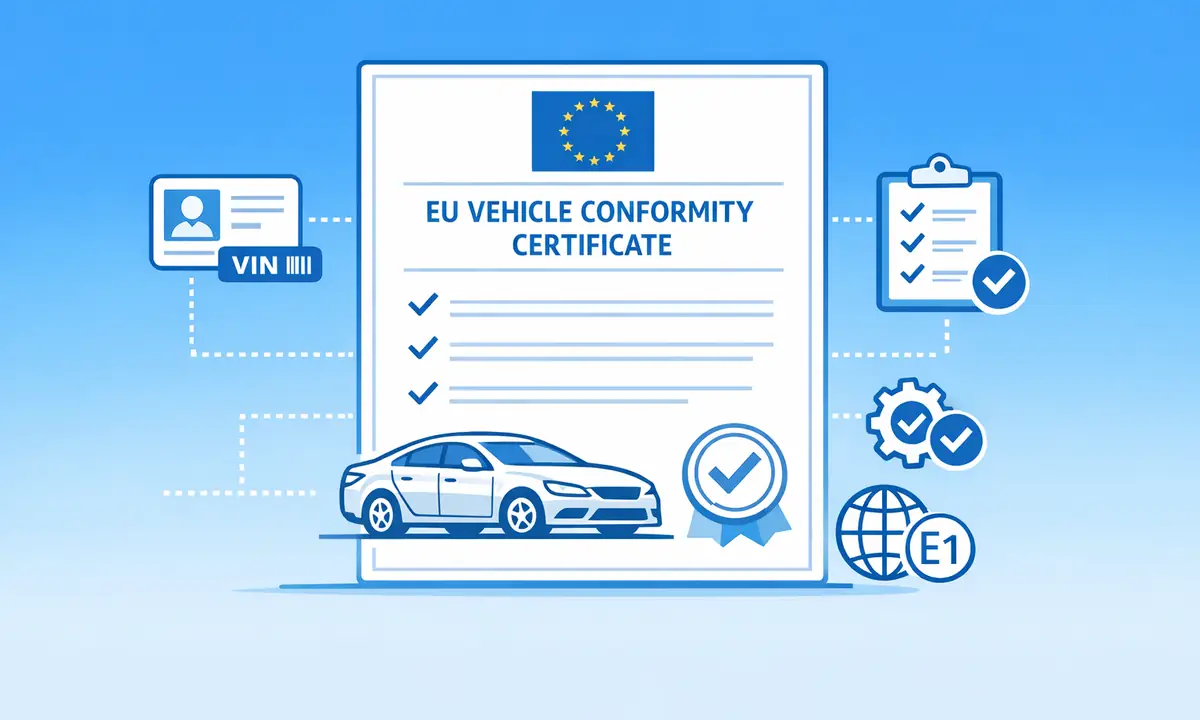
A reliable handover identifies the base vehicle, approval references, technical limits, unresolved conditions, and the data that the next manufacturer is expected to complete. The receiving manufacturer should verify that information against the physical vehicle before relying on it. If the build differs from the supplied record, the difference must be resolved rather than carried into the next certificate.
A practical data handover between stage manufacturers
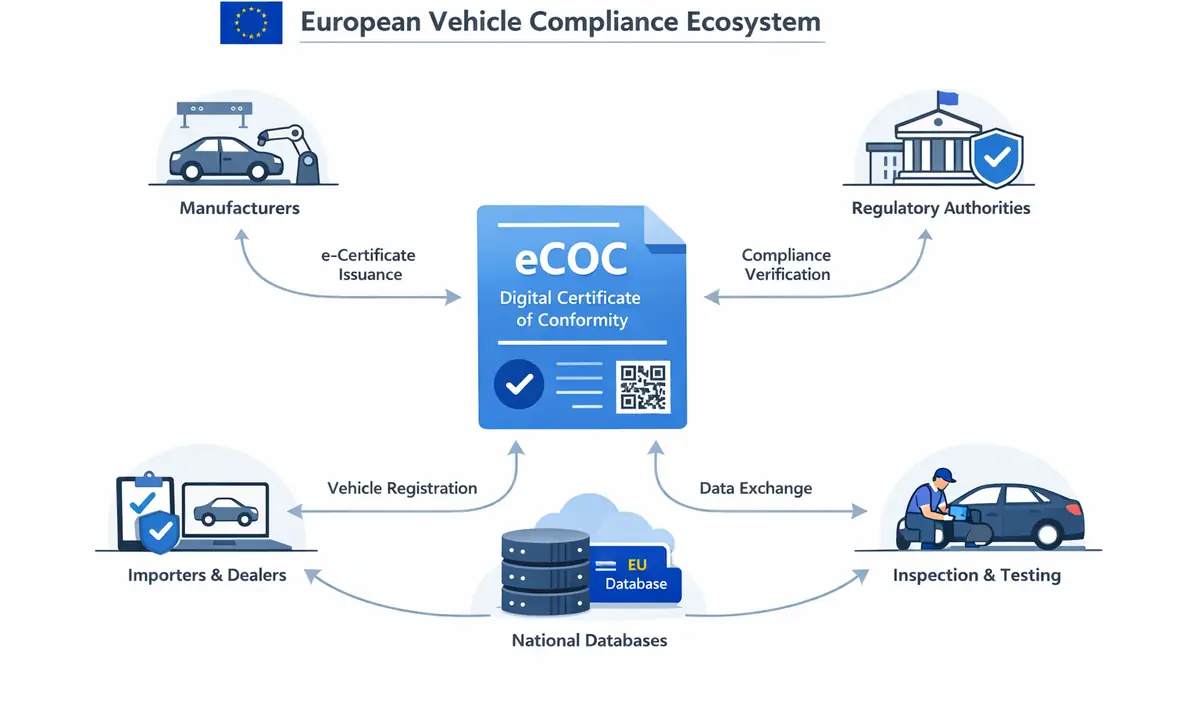
The handover should make ownership visible. Base-vehicle identifiers and inherited approval values remain linked to their source, while measurements and modifications introduced later are attributed to the responsible stage. Revision history matters because a value that was correct for an incomplete vehicle may no longer describe the completed vehicle.
Before final release, the completed record should reconcile inherited and newly created information: vehicle identity, masses and dimensions, category and body information, relevant systems, approval scope, and any conditions attached to the completion. This provides a traceable basis for conformity documentation and prevents the final-stage team from rebuilding the vehicle history from disconnected documents.
Example: completing an incomplete chassis
If a body builder adds a body and equipment to an incomplete chassis, it must use the inherited limits and approval information, assess the completed configuration, and supply the data created at its own stage. The final record should show both the inherited basis and the completed-vehicle result rather than presenting every value as if one manufacturer created it.
Official and technical references
These sources support the regulatory and technical statements in this guide. Always check the current consolidated text and the instructions of the authority responsible for your submission route.