
KBA IVI 2.0 Transition: Prepare Your eCoC Process Now
KBA plans to make its IVI 2.x test environment available in October 2026 and to begin live operation on 5 November 2026. For vehicle manufacturers, the practical task is not simply to produce another file. Vehicle data, IVI 2.0 validation, electronic sealing, authority connectivity and response handling all need to work as one controlled eCoC process.
KBA's information dated 16 September 2026 gives manufacturers a short preparation window. The precise October opening day has not yet been stated, so teams should be ready to test with representative vehicle records as soon as access becomes available. Electronic COC Platform brings eCoC creation, validation, signing and manufacturer-specific KBA or RDW NAP delivery into one operating workflow.
What is the KBA IVI 2.0 transition timetable?
| Date | Planned change |
|---|---|
| October 2026 | KBA expects to open the test environment for IVI 2.x data submissions. The exact day is still to be announced. |
| 5 November 2026 | Live use, access by registration authorities to IVI 2.0 records and forwarding through KBA to EUCARIS are planned to begin. |
| 29 November 2026 | The legacy InterIVI-CoC interface, which receives CoC and national data in a single record, is planned to close. |
These are planned KBA milestones, not a guarantee that every manufacturer's onboarding, credentials or certificate setup will be complete by the same date. Treat the schedule as a readiness deadline and monitor later KBA notices for changes.
Turn vehicle data into submission-ready eCoC records
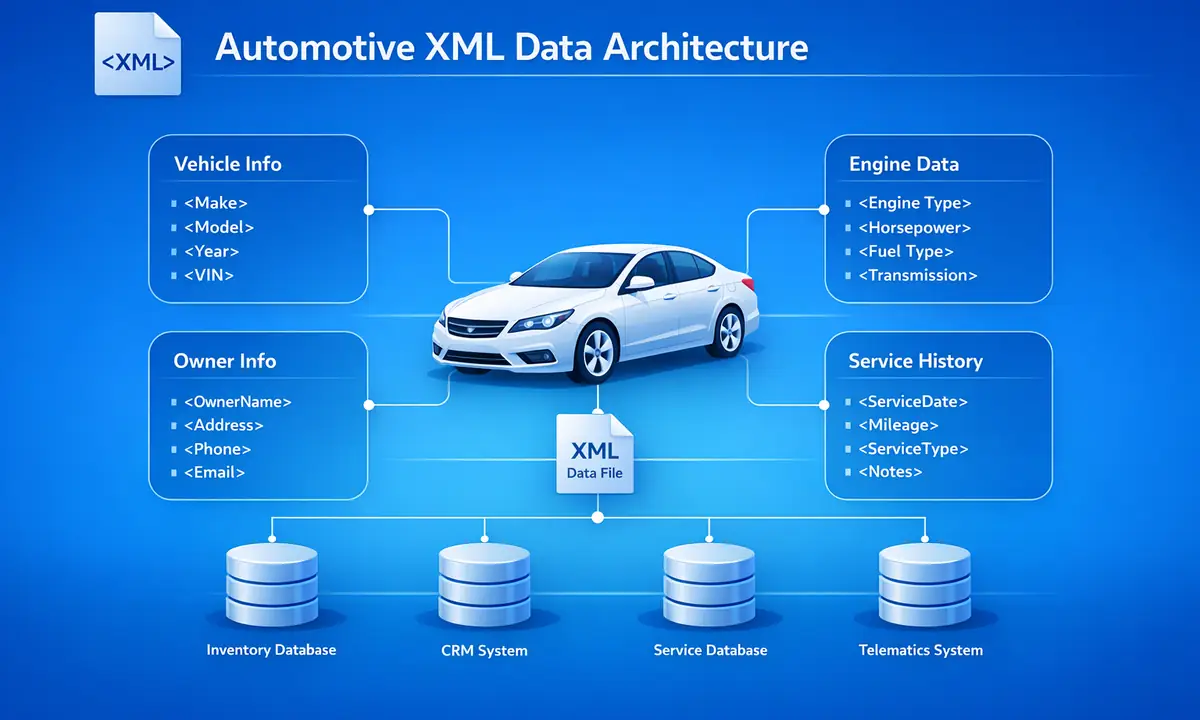
The first readiness question is whether existing production data can be mapped into the required IVI structure without ambiguity. Missing values, invalid formats, inconsistent units or a mismatch with approved type data can stop a record before delivery or create a correction task afterwards.
Electronic COC Platform uses manufacturer vehicle data to create electronic Certificates of Conformity and run IVI 2.0-oriented checks before submission. Teams can separate records that are ready from records that still need review, resolve validation findings and retain a clear operational status for each vehicle.
Platform validation is a pre-submission quality control. It does not itself mean that KBA or another authority has accepted the record. Authority acceptance must be determined from the response returned after the signed record has been transmitted through the authorised route.
Manage electronic sealing and authority delivery together
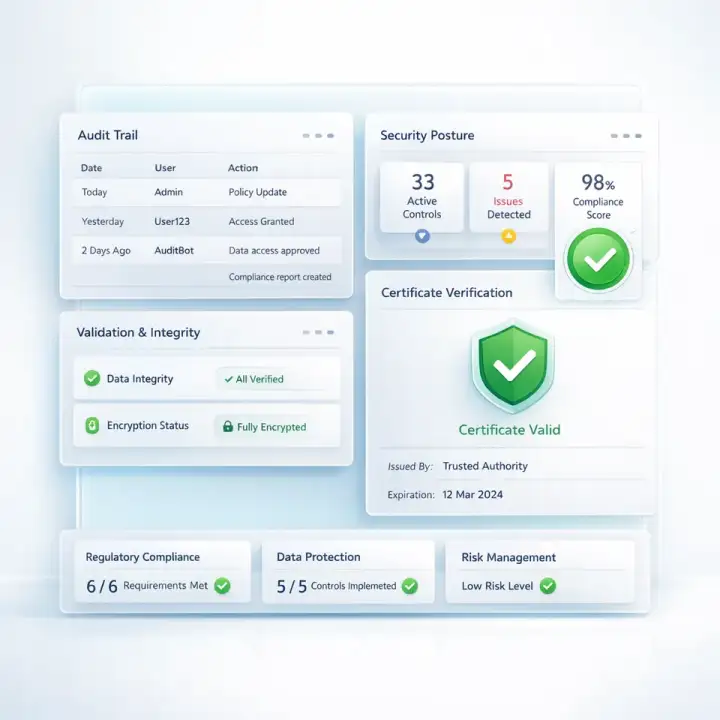
A correctly structured eCoC also needs the appropriate electronic signature or seal process. KBA's latest information specifically asks participants to check the eIDAS suitability of their certificates. This should be verified for the relevant legal entity and submission route rather than assumed from the presence of a certificate file.
Electronic COC Platform connects record creation and electronic sealing with delivery and response monitoring. Through a manufacturer-specific KBA or RDW connection, teams can distinguish accepted submissions, technical errors and records that require further action. The manufacturer remains responsible for its authorisation, certificate ownership and authority onboarding conditions.
How will incorrect IVI 2.x records be corrected?
KBA highlights an important operating rule: after submission, an IVI 2.x record cannot simply be deleted by KBA. The record is distributed to member states through EUCARIS before it is stored in KBA's own system. An error therefore has to be handled by sending a correction record.
This makes prevention and traceability equally important. Teams need strong checks before release, but they must also know which response belongs to which vehicle and whether a new correction submission is required. The test phase should include negative cases, rejected records and corrections, not only a single successful example.
Send national data in the correct sequence
KBA states that national data must follow the corresponding IVI-CoC record and recommends sending it one day later for a safe sequence. This reflects the move away from the former InterIVI-CoC flow, where CoC and national data were combined.
Manufacturers should therefore track the original IVI-CoC delivery, its response and the condition that releases the next national-data step. The precise waiting and continuation rules should remain aligned with KBA's current technical instructions and the manufacturer's authorised connection.
What should manufacturers complete before testing opens?
- Vehicle data: identify required fields, source owners, missing values and unit or format conversions.
- IVI 2.0 validation: prepare representative records for each relevant category, variant and production scenario.
- Electronic sealing: confirm the certificate, legal entity, eIDAS trust path and signing operation.
- Authority connection: complete the manufacturer-specific KBA or RDW NAP authorisation and technical setup.
- Response operations: define ownership for acknowledgements, errors, corrections and resubmissions.
- Cutover: plan the move away from InterIVI-CoC before the announced 29 November closure.
Prepare for KBA with Electronic COC Platform
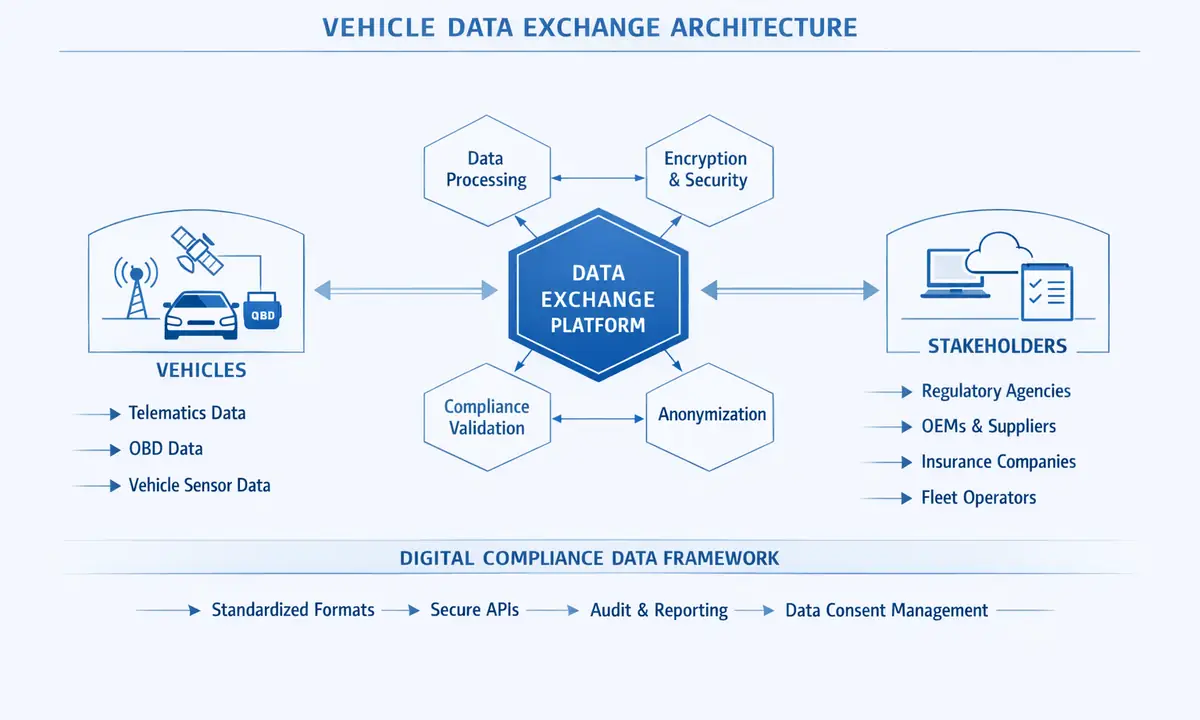
Electronic COC Platform supports the complete operational chain: create the eCoC from controlled vehicle data, validate the IVI 2.0 record, apply the electronic seal, submit through the agreed KBA or RDW route and monitor the returned result. This gives homologation, IT and production teams one shared view instead of disconnected files and manual status lists.
Contact the Electronic COC Platform team to assess your KBA IVI 2.0 readiness using your own vehicle data and submission scenarios. We can identify what needs to be completed before testing, including correction cases and the national-data sequence.
Frequently Asked Questions
When will the KBA IVI 2.x test environment open?
KBA plans to open it in October 2026, but the exact date has not yet been announced in the information supplied for this article.
When is KBA IVI 2.0 planned to go live?
Live use is planned for 5 November 2026, including access for registration authorities and KBA forwarding through EUCARIS.
Can KBA delete an incorrect IVI 2.x record?
No. KBA says errors must be addressed with a correction record because the data is distributed through EUCARIS before storage at KBA.
Does platform validation equal authority acceptance?
No. Validation supports submission readiness; acceptance is confirmed only by the response from the relevant authority route.
Official and technical references
These sources support the regulatory and technical statements in this guide. Always check the current consolidated text and the instructions of the authority responsible for your submission route.